Will Delaying Plumbing Repair Cause Mold And Structural Damage
Chicago Pipe Essentials explains why timely plumbing repairs matter
Plumbing issues are often dismissed as minor inconveniences until they are not. Chicago Pipe Essentials helps homeowners understand the chain reaction that begins with a seemingly small leak: moisture intrusion, mold colonization, and progressive structural weakening. This guide explains how delays increase the likelihood that small repairs become major restoration projects, and provides realistic timelines and severity examples that help you weigh immediate costs against long-term risk and expense.
When people ask, "will delaying plumbing repair cause mold and structural damage," the short answer is yes - but the complexity and pace of damage depend on several factors, including the leak location, water type, building materials, and ventilation. Recognizing those variables helps prioritize interventions. This article is written to equip you with practical knowledge so you can act decisively and protect health, preserve property value, and control repair costs.
Timely intervention is both a risk-reduction strategy and a cost-control strategy. Addressing a loose fitting, corroded pipe, or a failing seal within days or weeks often prevents hidden damage that multiplies repair scope and expense. Below we outline specific scenarios, expected timelines, and severity levels so you can make informed decisions rather than guesses about when to call a professional assessment.
How small leaks escalate into mold and structural problems
Most plumbing failures begin as low-volume leaks that may not be obvious at first: a dripping valve, a weeping joint behind a wall, or a slow toilet flapper. Those small, persistent sources of moisture create an ideal microclimate for mold spores to germinate. Over days to weeks, organic materials such as drywall paper, wood framing, insulation, and carpeting absorb moisture, soften, and provide nutrients for mold growth to progress from microscopic colonies to visible stains and odors.
Beyond mold, sustained moisture weakens building materials. Wood framing and sheathing can swell, warp, and lose structural capacity when repeatedly wet and dry. Fasteners corrode and connections loosen, compromising load paths. Plaster and gypsum board lose rigidity, creating sagging ceilings and walls. In some cases, moisture can travel far from the initial source through cavities and along framing, making the most damaged areas unexpectedly distant from the leak's origin.
Delays also complicate diagnosis and repair. A patch repair at the visible leak site might not address soaked insulation, hidden sheathing rot, or contaminated HVAC components. The longer moisture remains, the more likely mold spores will spread through air movement, increasing remediation scope. Prompt, comprehensive assessment reduces the chance that what seemed like a simple fix will evolve into replacement of drywall, insulation, framing, flooring, and possibly finishes.
Timeline and severity examples: what to expect when repairs are postponed
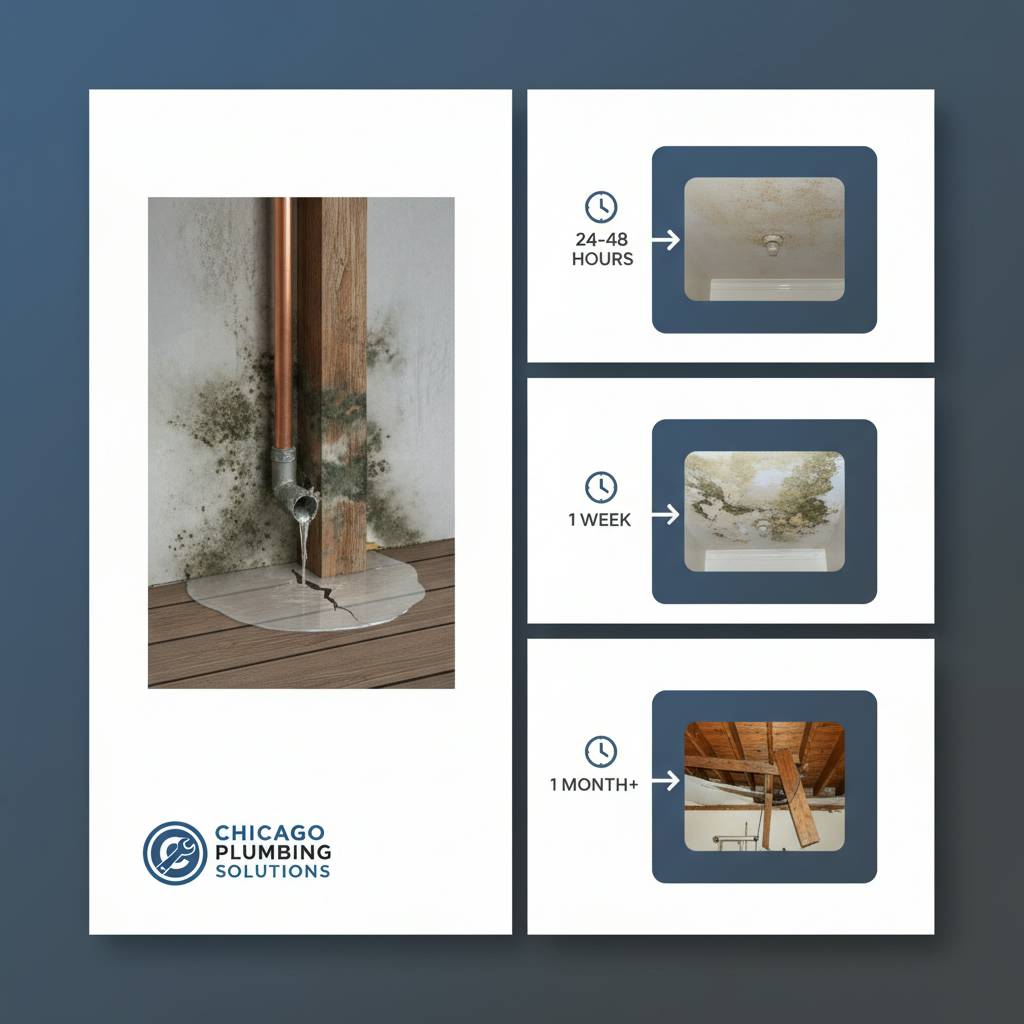 Understanding typical timelines helps homeowners evaluate urgency. The following examples represent common scenarios, each influenced by temperature, humidity, and material susceptibility. Times are approximate and assume indoor temperatures and ambient humidity levels common in occupied homes. These snapshots are intended to clarify risk progression rather than predict outcomes for every unique situation.
Common timeline milestones
- 048 hours: Moisture begins to saturate nearby surfaces; mold spores may start to activate but are usually not visibly apparent.
- 37 days: Visible mold growth can appear on porous surfaces; musty odors become noticeable; paper-faced drywall and wood trim may show discoloration.
- 13 weeks: Mold colonies expand, penetrative staining appears, and insulation loses loft; wood may begin to soften in high-saturation areas.
- 13 months: Structural fasteners can corrode, framing members may exhibit active rot, and extended contamination of HVAC or concealed cavities becomes likely.
- 3 months: Widespread damage may necessitate replacement of large sections of framing, subfloor, drywall, and finishes; remediation and reconstruction costs rise sharply.
Severity examples by scenario
Kitchen under-sink slow leak (hidden cabinet base): If unattended for a week, expect localized mold under the sink and soft cabinet bases; within a month, adjacent drywall and subfloor may require removal. A simple gasket replacement becomes a partial cabinet refinish or full base replacement if delayed for months. The progressive spread is often lateral across under-sink cavities and into adjoining cabinetry.
Bathroom shower pan leak: A hairline crack or failed seal can channel water into subfloor and footer areas. Seven days of continued leakage can cause mold in the subfloor and soft patches in tile grout; several weeks often lead to rotational movement in flooring and need for subfloor replacement. Left months untreated, mold can reach wall studs and adjacent rooms, significantly increasing restoration scope.
Health implications and indoor air quality considerations
Mold is not merely cosmetic: it can affect indoor air quality and occupant health. Sensitized individuals may experience allergic reactions, nasal irritation, coughing, and exacerbation of asthma. Some species produce volatile organic compounds (VOCs) that contribute to persistent odors and discomfort. Early remediation reduces airborne spore concentrations before contamination becomes widespread and HVAC systems distribute spores throughout a home.
Hidden mold is often the most hazardous because it releases spores and fragments into enclosed spaces continuously. When remediation is delayed, HVAC systems and ductwork can become vectors, spreading contaminants to rooms far from the original leak. The result is a larger remediation footprint and a longer period required for air quality to return to acceptable conditions after repairs.
Prioritizing health means addressing not only the leak but also associated contamination. Effective response includes moisture remediation, containment of affected areas during cleaning, air filtration to remove spores, and thorough drying to prevent recurrence. Professional assessment can determine whether occupants should avoid certain areas during remediation, a step many homeowners overlook when repairs are postponed.
Cost comparison: repair today versus repair later
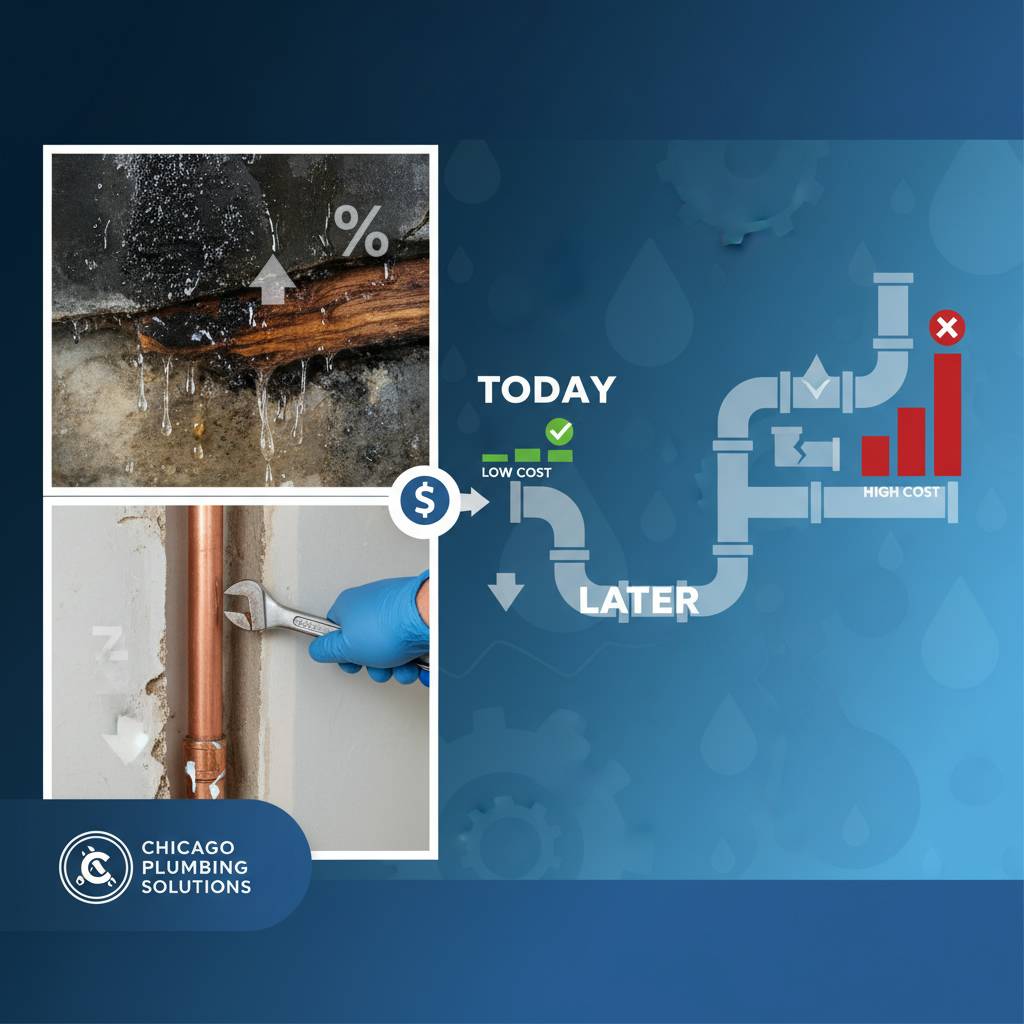 Delaying repairs rarely saves money in the long run. Immediate fixes typically involve targeted labor and replacement parts, such as seals, hoses, or short sections of pipe. When repair is postponed and damage propagates, costs increase to include demolition, mold remediation, replacement of structural elements, and potential temporary relocation. The indirect costs - disruption, decreased property value, and higher insurance deductibles or reduced coverage - compound the direct expenses.
The following simplified comparison illustrates typical cost categories. Numbers vary widely by region and damage extent, but the structure highlights the escalation pattern: a small repair costing a few hundred dollars can evolve into a remediation and reconstruction job costing several thousand to tens of thousands if left unattended. Insurance coverage may help, but delayed repairs can complicate claims if neglect is documented.
| Repair Stage | Typical Actions | Cost Range (illustrative) |
|---|---|---|
| Immediate | Replace damaged fitting, tighten valve, local drying | $100$800 |
| Short-term Delay | Visible mold cleanup, partial drywall or subfloor repair | $1,000$5,000 |
| Long-term Delay | Full remediation, structural replacements, HVAC cleaning | $5,000$30,000 |
Beyond dollar figures, consider the hidden costs: time spent managing contractors, living elsewhere during reconstruction, potential health care visits, and reduced resale appeal. These intangible impacts make early action a prudent investment in both finances and family well-being.
Practical steps homeowners can take right away
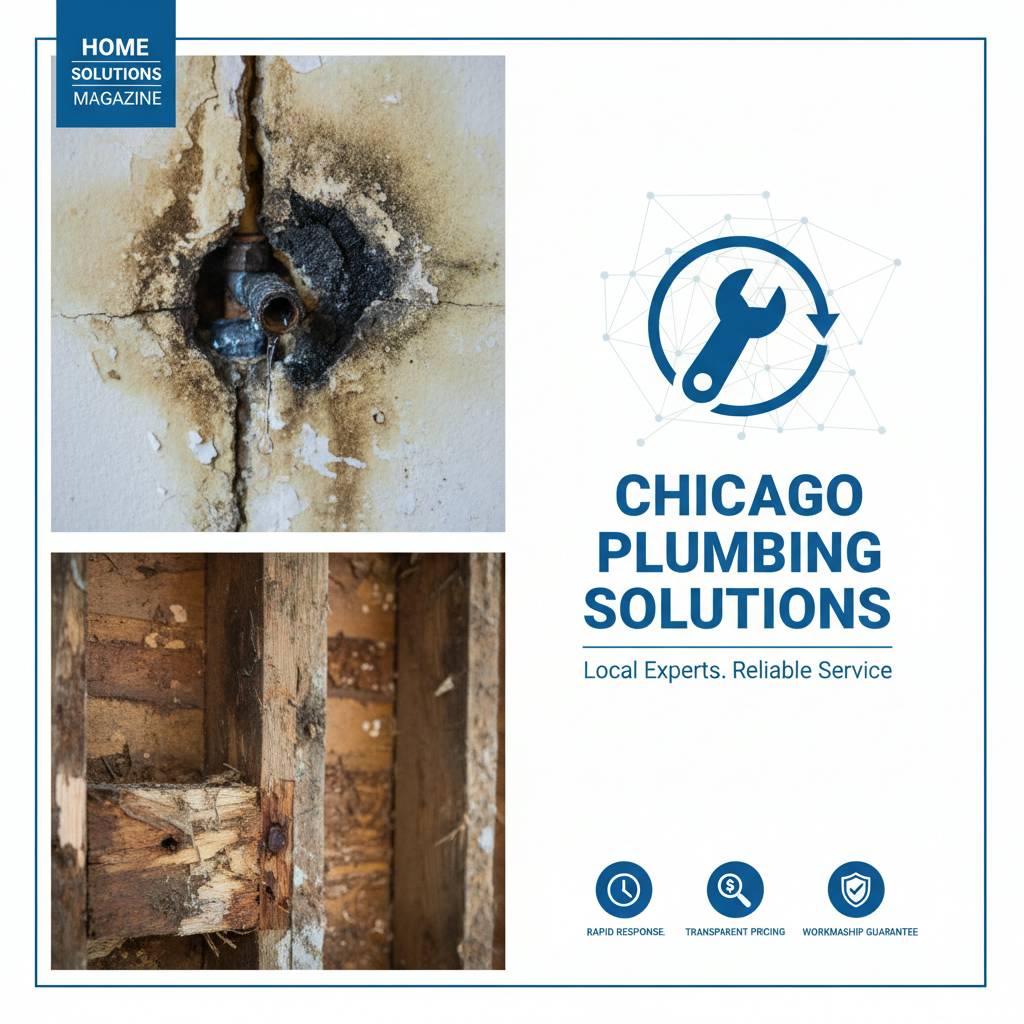 While professional assessment is ideal, there are practical, immediate steps to reduce risk until a technician arrives. Shut off water to the affected area if possible, place absorbent towels or containers to capture drips, and increase air circulation to promote drying. Avoid painting or sealing damp materials, which can trap moisture and accelerate hidden deterioration. Quick mitigation slows the progression toward mold and structural damage.
Document the situation with photos and notes: date, time, observed conditions, and any temporary actions taken. This helps professionals triage effectively and assists with insurance claims if applicable. Avoid disturbing suspected mold with household cleaners or aggressive scraping, as such actions can disperse spores and spread contamination. Instead, isolate the area and seek a controlled remediation plan from qualified professionals.
When arranging a service call, ask for an assessment that includes moisture mapping, visual inspection of adjacent cavities, and an action plan that distinguishes immediate stabilization from full remediation and reconstruction. CPE can be mentioned when speaking with our office to help prioritize your call, but the core goal is prompt, documented steps that reduce ongoing moisture exposure and limit the size of the eventual repair.
How Chicago Pipe Essentials responds: assessment, mitigation, and repair
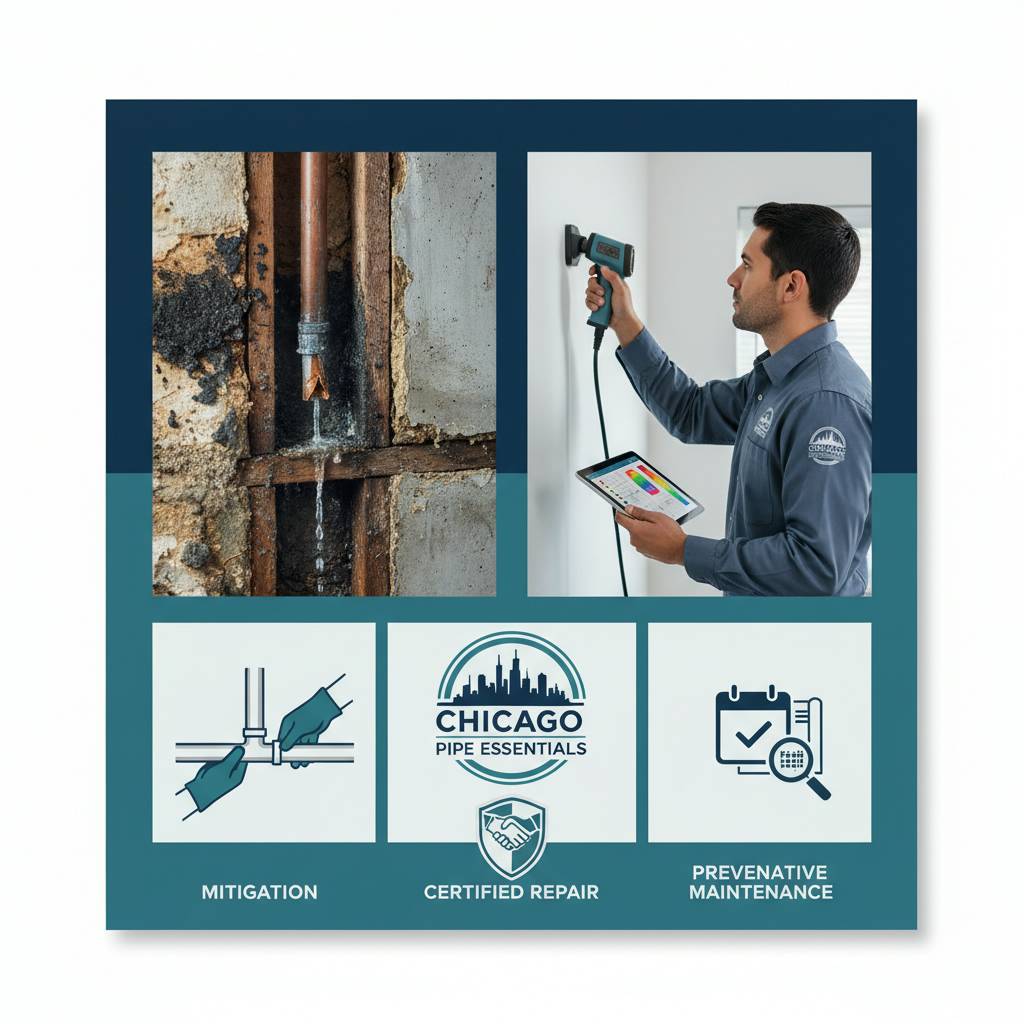 Chicago Pipe Essentials provides a coordinated approach designed to stop damage progression, restore healthy environment, and minimize long-term costs. Our standard response begins with a thorough assessment to locate leaks, evaluate moisture intrusion, and identify affected materials. Moisture meters, thermal imaging, and visual inspection guide our recommendations so repairs address root causes rather than surface symptoms. This diagnostic phase reduces the risk of recurring problems after work is finished.
Once the assessment is complete, we prioritize mitigation: isolating the leak, stopping or temporarily controlling water flow, and setting up drying equipment. Containment and air filtration are used when mold contamination is suspected to prevent cross-contamination during cleaning. Mitigation seeks to stabilize conditions so that remediation and repairs can proceed efficiently and safely.
The final phase focuses on durable repair and prevention: replacing compromised materials, restoring finishes, and correcting cause-based issues like poor drainage, improper slope, or bad ventilation. Where appropriate, we recommend upgrades that reduce future risk, such as water sensors, braided stainless supply lines, or improved sealing around penetrations. Our aim is a solution that resolves the immediate problem while minimizing likelihood of recurrence.
FAQs and decision-making guidance
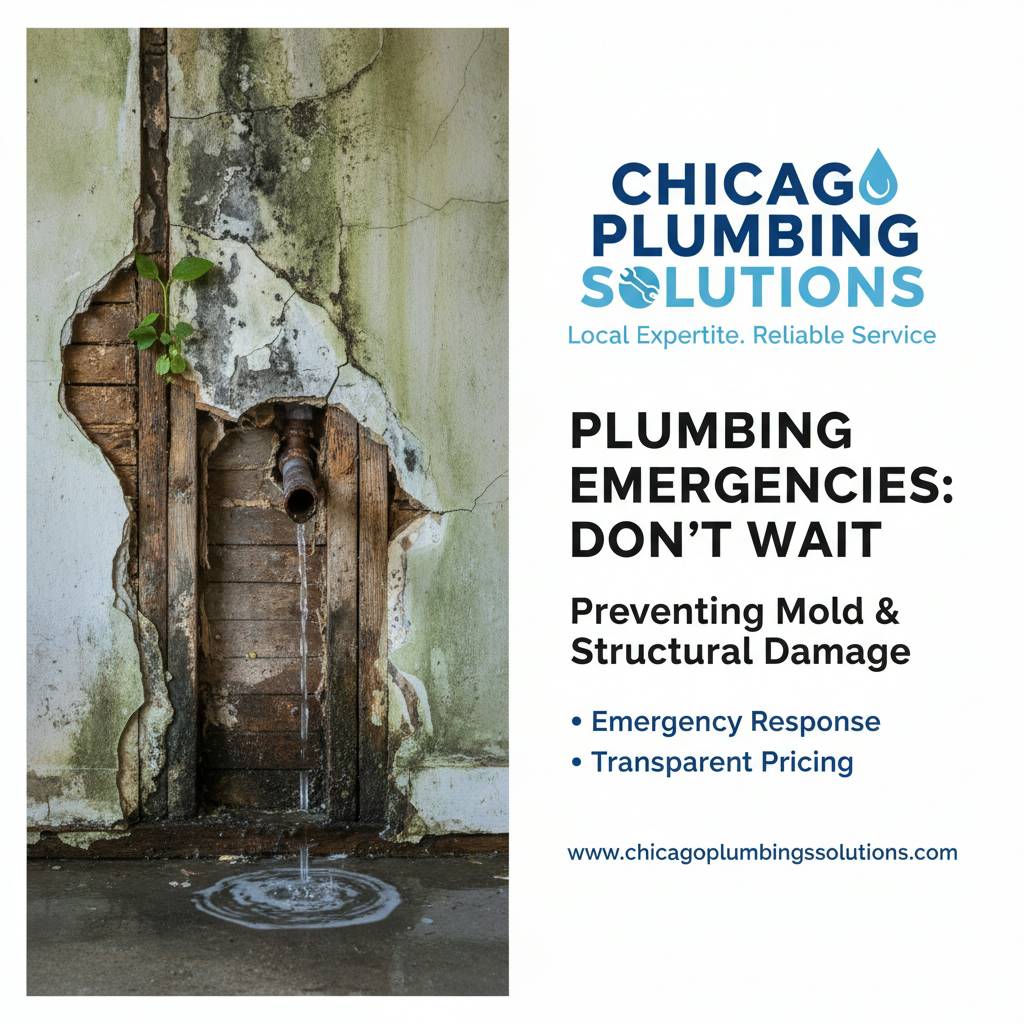 Will delaying plumbing repair cause mold and structural damage in every case? Not every minor leak leads to catastrophic failure, but the risk increases with time, lack of ventilation, and porous building materials. Even short delays in humid conditions can allow mold to establish. The prudent course is to treat ongoing leaks as urgent until a professional confirms otherwise.
How quickly should I call a professional? If you notice consistent dripping, new stains, musty odors, unexplained increases in water usage, or any signs of softening in walls or flooring, call for assessment within 2472 hours. Rapid response dramatically reduces remediation scope. If the leak is active and cannot be isolated, prioritize immediate shutoff and professional intervention.
What documentation will help with insurance claims? Keep dated photographs showing the leak source and affected areas, retain receipts for temporary mitigation supplies, and request written assessment reports from technicians. Insurance carriers typically respond more favorably when damage appears to be accidental and promptly addressed; long-standing neglect can complicate coverage determinations.
Immediate help is available. If you suspect plumbing-related moisture in your home, calling a qualified technician right away is the most effective way to prevent escalation. Our team at Chicago Pipe Essentials will prioritize assessment and stabilization to limit mold spread and structural harm and to help contain costs through decisive action. Call 312-555-4821 to schedule a fast, professional evaluation and mitigation plan.
Delaying repair can mean trading a small, inexpensive fix for extensive remediation and reconstruction later. Protecting health, preserving structural integrity, and controlling long-term costs requires prompt, informed action. Contact Chicago Pipe Essentials for reliable assessments, practical mitigation, and durable repairs-call 312-555-4821 and let us help you prevent compounding damage before it starts.