Preventing Burst Pipes During Winter
Preventing burst pipes during winter requires practical preparation and quick action. Chicago Pipe Essentials shares preventive tips and ready solutions to reduce freeze risks. Call 312-555-4821 for winterization services and emergency support when temperatures drop. Our technicians help secure homes before cold weather arrives.
Winter freezes are one of the most common causes of sudden, costly home damage. Preventing burst pipes during winter is primarily about preparation, routine checks, and knowing what to do when temperatures dip below freezing. At Chicago Pipe Essentials, we combine proven techniques with experienced technicians to help homeowners reduce risk and respond quickly to emergencies. This guide outlines practical steps you can take now and easy actions to take if a pipe shows signs of freezing.
Why pipes freeze and how bursting happens
Pipes freeze when the water inside them drops to 32F (0C) and turns to ice. Because water expands as it freezes, pressure builds between the ice blockage and a closed faucet or other restriction, often causing pipes to crack or burst. Common vulnerable locations include exterior walls, unheated crawl spaces, garages, and attics. Understanding these mechanics helps homeowners focus prevention where it matters most.
Temperature is not the only factor: wind chill, poor insulation, and sudden cold snaps increase risk dramatically. A brief drop below freezing can cause damage in poorly protected systems, especially in homes with older plumbing or inadequate insulation. Recognizing the environmental contributors allows you to take targeted actions that prevent costly repairs later.
Practical winterization steps to protect your plumbing
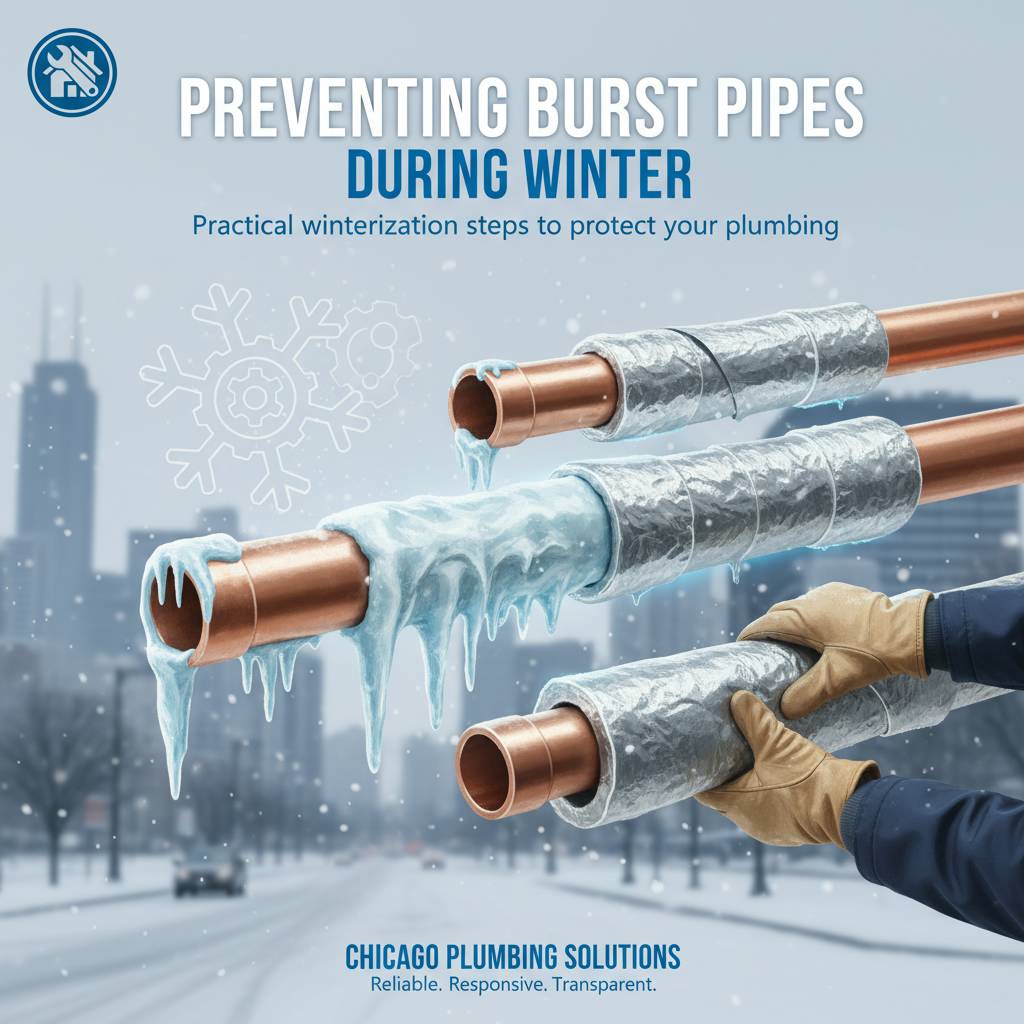 Start with a systematic walk-through of your property to identify vulnerable pipes. Look for exposed water lines in basements, crawl spaces, garages, and on exterior walls. Check where pipes meet outside faucets or irrigation systems; these connections are frequent trouble spots. Make a list and prioritize fixes based on location and exposure to cold air.
Insulate and seal wherever possible. Pipe insulation sleeves, foam wrap, and heat tape are effective on exposed pipes. Seal gaps and cracks in walls, foundation, or around where pipes enter the house to block drafts. Even small air leaks can let cold air reach warm interior pipes, so caulking and foam sealant can pay dividends in preventing frozen lines.
Tools and materials to keep on hand
- Foam pipe insulation and insulating tape
- Thermostatically controlled heat tape for metal pipes
- Caulking and expanding foam sealant for gaps
- Outdoor faucet covers and insulated valves
- A reliable infrared thermometer or thermometer probe
These items are inexpensive relative to potential repair bills. Heat tape with a thermostat prevents overheating and safeguards electrical use, while proper foam insulation reduces heat loss. Outdoor faucet covers are cheap insurance and simple to install before the first prolonged freeze.
Insulation and heating strategies that reduce freeze risk
Effective insulation reduces the chance that plumbing will drop to freezing temperatures. Insulating basements, crawl spaces, and attics keeps the interior envelope warmer and reduces the risk to pipes running through these areas. Consider adding batt insulation to unconditioned walls and insulating box covers around exposed meters and valves.
For homes in regions with frequent deep freezes, heating strategies provide an extra layer of protection. Keep the thermostat at a consistent temperature-typically no lower than 55F-during cold snaps, and let faucets drip slightly on the coldest nights to relieve pressure buildup. Small cabinets housing plumbing-such as under sinks-should be kept closed to trap warmer room air inside.
Comparing common insulation options
| Material | Best use | Pros | Cons |
|---|---|---|---|
| Foam pipe sleeves | Exposed indoor pipes | Easy install, inexpensive | Limited for extreme cold |
| Heat tape (thermostatic) | Metal pipes in unheated spaces | Active heating, effective | Requires power, careful installation |
| Spray foam/caulk | Sealing gaps and holes | Long-lasting seal, blocks drafts | Requires careful application |
Choosing the right combination of materials depends on your home's layout and the severity of local winters. In many cases, foam sleeves combined with targeted heat tape and improved wall insulation provide an economical, reliable solution that reduces the likelihood of frozen, bursting pipes.
Quick actions to take when temperatures drop or a pipe shows signs of freezing
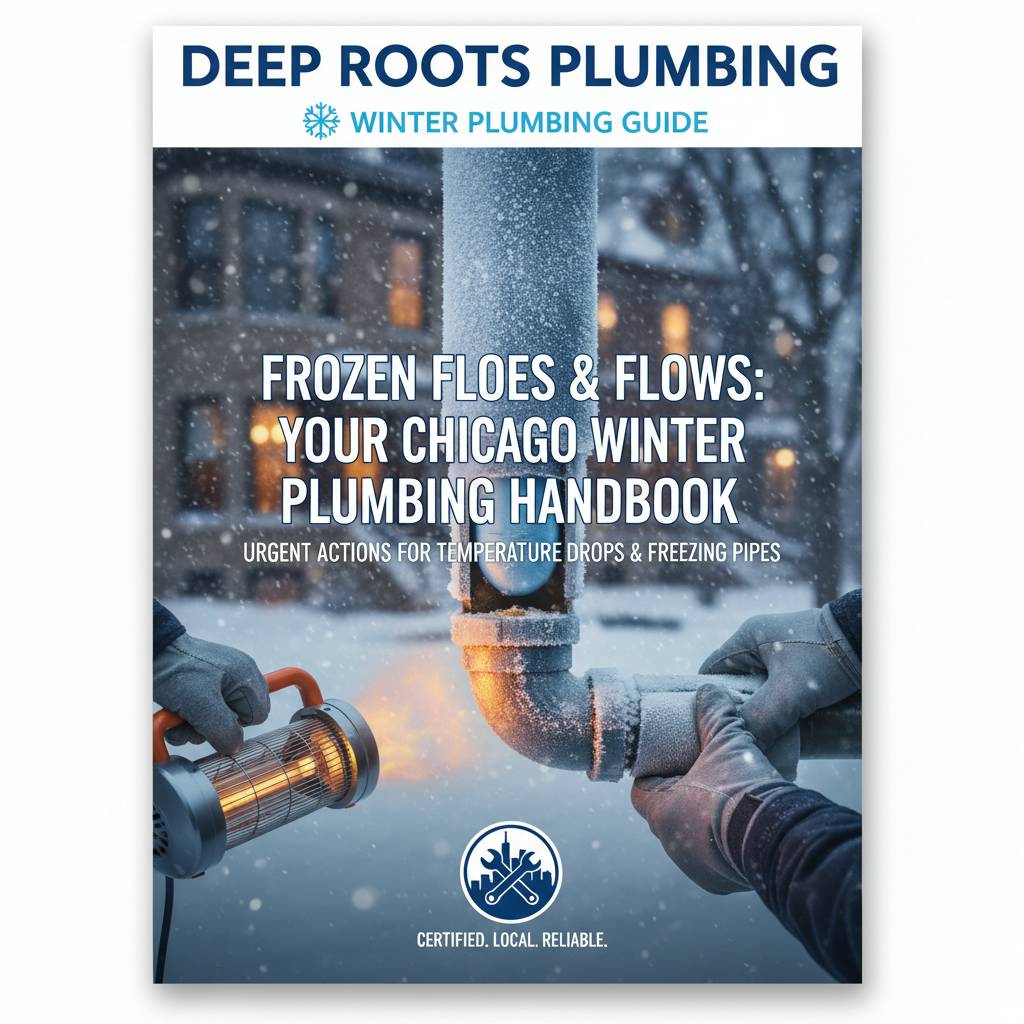 Even with preparation, cold weather can tighten its grip unexpectedly. If you suspect a freezing event, act quickly. First, open cabinet doors under sinks and open access panels to allow warm air to circulate around plumbing. Turn on a slow trickle from both cold and hot faucets to keep water moving and relieve pressure between blockages.
If a pipe is frozen and accessible, gently apply heat using a hair dryer, heat gun on low, or portable space heater placed safely nearby. Never use open flames. Work from the faucet outward toward the frozen section as you gradually warm the pipe. Watch for signs of leakage, and have towels and a bucket ready in case a crack gives way as the ice melts.
- Open faucets to reduce pressure buildup
- Allow warm air to reach pipe enclosures and cabinets
- Apply heat gradually-hair dryer or heat gun on low
- Avoid open flames or high heat that could damage pipes
If you cannot locate the frozen section or if warming attempts fail, shut off the water at the main valve to prevent a burst from turning into a flood. Call a professional immediately. If a pipe does burst, turn off the water and electricity to the affected area if safe to do so, then contact Chicago Pipe Essentials for emergency support.
When to call a professional and what to expect from winterization services
 Professional winterization is a wise investment, especially for older homes or properties in regions with prolonged subzero weather. Call a licensed plumber if you notice recurring cold-related issues, suspect poor insulation around pipes, or if you're uncomfortable performing heat tape or electrical connections yourself. A professional can assess risks, recommend targeted insulation improvements, and install permanent solutions.
During a winterization visit, technicians typically perform a thorough inspection of exposed piping, test exterior faucets and irrigation blow-outs, identify draft-prone wall penetrations, and evaluate the heating distribution in unconditioned spaces. Expect a clear report with prioritized recommendations, cost estimates, and, where appropriate, emergency shutoff labeling to improve response time if trouble occurs.
What a full winterization package often includes
- Inspection of all accessible water lines and valves
- Installation of pipe insulation and heat tape where needed
- Sealing of gaps and insulation upgrades in vulnerable areas
- Outdoor faucet winterization and irrigation winter shutoff
- Advice on thermostatic settings and long-term maintenance
Choosing a reputable provider matters. Technicians should be licensed, insured, and able to show experience with local cold-weather challenges. Chicago Pipe Essentials provides tailored winterization plans and emergency response-an option many homeowners prefer to minimize downtime and avoid extensive water damage after a freeze-related failure.
Simple maintenance checklist to perform before and during winter
Creating a short, repeatable checklist helps keep winterization tasks manageable and consistent. Perform this checklist in early autumn and revisit it as forecasts predict prolonged cold. A well-maintained home is much less likely to suffer frozen or burst pipes.
- Inspect and insulate exposed pipes and valves
- Seal gaps around where plumbing exits the structure
- Install faucet covers and drain external lines
- Set thermostat to minimum safe temperature (typically 55F)
- Locate and label main water shutoff and any secondary shutoffs
- Keep cabinet doors open during cold spells to let warm air circulate
- Let faucets drip slightly during extreme cold
Labeling shutoff valves and creating a short emergency plan for family members reduces reaction time if a problem occurs. Keep a printed copy of the checklist accessible near the main water shutoff and consider storing basic tools and materials-like a flashlight, towels, and a hair dryer-in an easy-to-reach location for freezing events.
Real-world examples and common mistakes to avoid
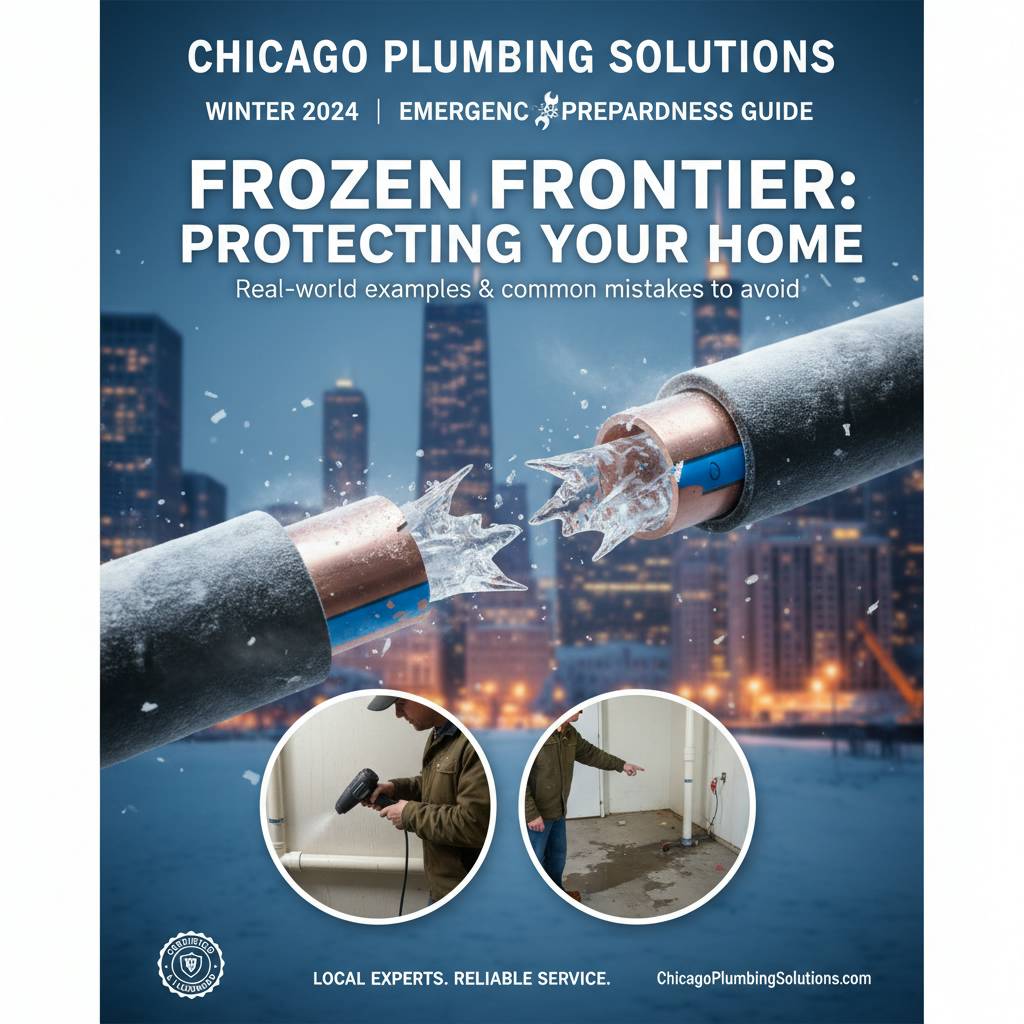 One frequent mistake is assuming outdoor covers or a small amount of insulation is sufficient for unusually low temperatures. In one case study, a homeowner relied on thin foam sleeves alone; a sudden three-day deep freeze still caused multiple burst joints in the garage. After a professional winterization that included heat tape and sealing, the same property had no further issues.
Another common error is failing to shut off and drain irrigation and outdoor faucets. Even well-insulated indoor systems can be compromised by backflow or leaks that start outside. Drain lines, shut off irrigation systems, and install frost-free hose bibs where practical. Small preventive steps can save thousands in repair costs.
Frequently asked questions
How can I tell if a pipe is already frozen?
Signs include reduced water flow, frost on the outside of exposed pipes, and strange noises when running taps. If a specific faucet only trickles or stops, follow it back to identify the likely frozen section. Use an infrared thermometer if available to pinpoint cold spots without intrusive inspection.
Is it safe to use a space heater to thaw a pipe?
A space heater can be effective if used with caution and placed in a stable, dry location away from combustibles. Never leave a heater unattended, and avoid placing it directly on or against piping to prevent damage. Hair dryers and heat guns on low are often safer for localized warming.
Can I prevent frozen pipes while away from home?
Yes. Set the thermostat no lower than 55F, ask a neighbor to check on the property during extended absences, and consider smart thermostat controls that let you monitor and adjust temperatures remotely. For long-term travel during cold months, hiring a local service for periodic checks is a prudent choice.
Closing and how Chicago Pipe Essentials can help
Preventing burst pipes during winter is largely the product of preparation, informed material choices, and quick action when temperatures fall. Small investments in insulation, sealing, and professional winterization services can prevent serious damage and the hassle of emergency repairs. Chicago Pipe Essentials offers experienced technicians who assess your property, recommend targeted improvements, and provide emergency support when you need it most.
For personalized winterization plans, emergency response, or a full inspection, contact Chicago Pipe Essentials. Our team can walk you through priority fixes, install proven solutions, and help label shutoffs and emergency procedures for your household.
Call 312-555-4821 today for fast scheduling and expert winterization services. Whether you need a seasonal check-up or urgent assistance during a freeze, we're ready to help secure your plumbing and give you peace of mind.
Protect your home before the cold arrives-reach out to Chicago Pipe Essentials at 312-555-4821 for reliable, professional help with preventing burst pipes during winter.