Water Damage From Delayed Plumbing Repair
Delayed plumbing repair can cause extensive water damage and high costs. Chicago Pipe Essentials explains the long term consequences and practical prevention measures. Call 312-555-4821 to schedule an urgent inspection before problems escalate. Our team focuses on timely intervention to protect property value.
Ignoring a slow leak or a stubborn drippy valve might feel like a minor inconvenience at first, but delays add up quickly. This guide explains how water damage from delayed plumbing repair begins, how it evolves into more serious structural and health hazards, and what practical steps you can take to minimize risk. Chicago Pipe Essentials brings experienced, timely intervention to help homeowners and property managers mitigate loss and preserve value.
How delayed repairs lead to escalating water damage
What starts as a pinhole leak, a faulty seal, or an intermittent pipe drip can become a complex problem when left unattended. Water finds the path of least resistance and migrates through building materials - seeping into drywall, running behind baseboards, soaking subfloors, and saturating insulation. Over weeks and months this steady exposure weakens materials and creates hidden damage that often goes unnoticed until it becomes costly to repair.
Moisture also amplifies its own effect by encouraging corrosion in metal plumbing, causing fittings and joints to fail over time. Small fractures widen, plastic fittings deform, and the original plumbing fault compounds. In multi-unit buildings the problem frequently crosses walls and ceilings, transforming a single-point repair into a multi-room remediation and mold remediation project if not caught early.
Common sources and early warning signs to watch for
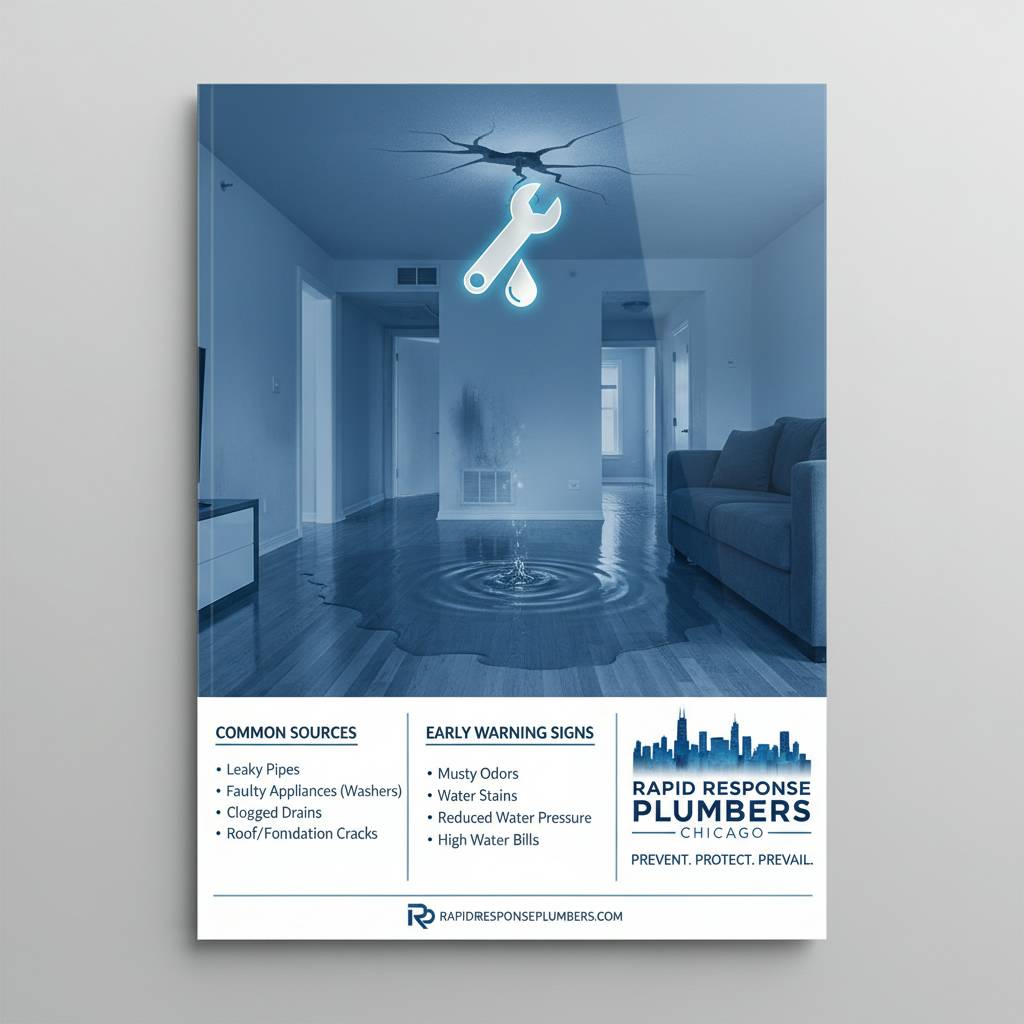 Recognizing early signs of trouble is the single most effective way to avoid significant water damage from delayed plumbing repair. Common sources include aging supply lines, deteriorated hose connections (washing machines, dishwashers), failing water heaters, cracked waste lines, and frozen or burst pipes during cold weather. Each has a typical pattern of failure that homeowners can learn to spot.
- Visible dripping or pooling around fixtures and appliances
- Musty or mildew odors in cabinets, bathrooms, or basements
- Unexpected spikes in water bills without increased usage
- Staining, bubbling paint, or swelling drywall and baseboards
- Reduced water pressure or slow drains suggesting a hidden leak
Early detection often relies on inspection and attentiveness: check under sinks monthly, inspect appliance hoses for cracks, and observe the area around the water heater and laundry connections. Smart leak detectors and simple routine checks can catch problems before water migrates into larger assemblies such as floors and wall cavities.
Long-term consequences of neglecting plumbing repairs
Beyond immediate repair costs, delayed attention to plumbing issues can result in significant long-term consequences. Structurally, continuous moisture weakens framing, joists, and subfloor materials, necessitating extensive reconstruction rather than localized fixes. Once structural members are compromised, restoration timelines and costs escalate substantially, and the property may be unsafe in extreme cases until repairs are completed.
Health risks are another major concern. Persistent dampness creates ideal conditions for mold growth, which can manifest within 2448 hours of saturation. Mold spores can trigger allergic reactions, respiratory problems, and exacerbate asthma, particularly in vulnerable populations such as children and the elderly. Addressing water intrusion quickly reduces both health exposure and the scale of mold remediation required.
Financially, insurance complications and reduced resale value compound the damage. Insurers may limit coverage for losses attributed to long-term neglect, and buyers are frequently deterred by a known history of water damage, even after repairs. In many jurisdictions, undisclosed water damage can create legal exposure at point of sale, which is why preventative repairs protect both immediate finances and long-term asset value.
Practical prevention measures: routine maintenance and early intervention
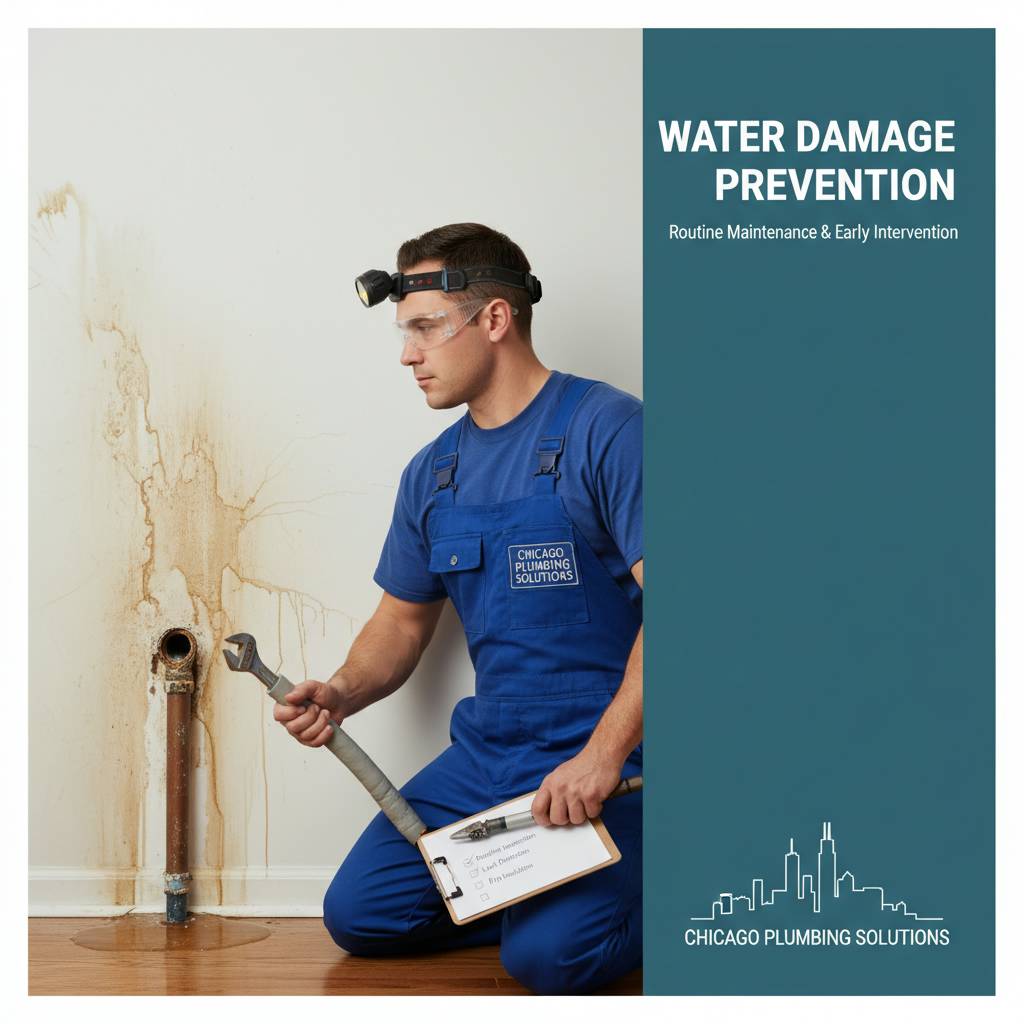 Preventing water damage from delayed plumbing repair is a combination of routine maintenance, timely upgrades, and sensible habits. Establishing a seasonal maintenance checklist goes a long way: inspect visible pipes and hoses, test water shutoff valves, flush the water heater annually to remove sediment, and insulate exposed pipes before winter. These small actions reduce the probability of sudden failures and extend the service life of plumbing components.
Upgrading older plumbing components proactively - for example replacing galvanized steel supply lines, aging polybutylene pipes, or obsolete fittings - can eliminate recurring problems. When systems are decades old, the most cost-effective approach can be targeted replacement rather than repeated emergency repairs. CPE and our technicians can evaluate lifespan, failure modes, and recommend a replacement schedule that balances cost and risk.
- Install braided stainless-steel hoses for appliances instead of rubber hoses
- Fit automatic shutoff valves or leak sensors in high-risk areas
- Schedule annual professional inspections for water heaters and main supply lines
- Ensure good ventilation in bathrooms and crawlspaces to reduce humidity
- Keep gutters and drainage clear to prevent foundation seepage
Using technology can add another layer of protection. Modern leak detection systems can shut water off automatically when they sense continuous flow or abnormal pressure drops, preventing hours or days of unnoticed leakage. While initially more expensive than reactive repairs, these systems frequently pay for themselves through avoided damage and lower insurance premiums.
What to do immediately if you suspect water damage or a leak
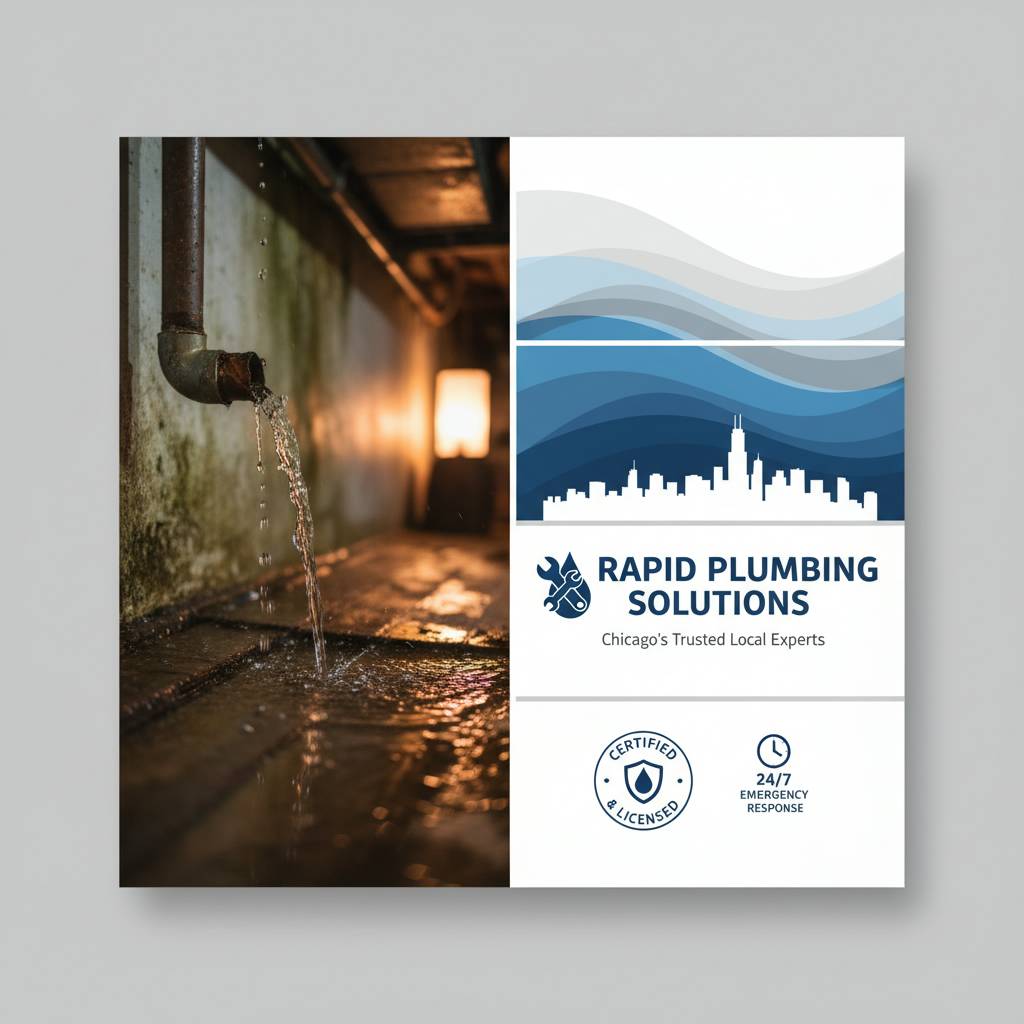 Prompt action minimizes damage. If you see active leaking, shut off the water at the nearest fixture valve if possible, then close the main water supply if you cannot isolate the source. Collect any visible water to protect valuables, move furnishings away from wet areas, and open windows and fans if conditions allow to promote drying. Avoid attempting major repairs yourself unless you are trained; stop-gap measures are fine, but incorrect repairs can worsen the situation.
Next, document the condition with photos and notes-date-stamped images are especially useful for insurance claims. Then call a licensed plumbing professional for an inspection and assessment. When the source is not immediately visible, professionals use pressure testing, infrared thermography, and acoustic leak detection to locate hidden leaks precisely, reducing demolition and repair costs.
| Action | Short-term benefit | Long-term impact |
|---|---|---|
| Shut off water and isolate leak | Immediate reduction of water loss | Prevents further saturation and structural damage |
| Document and photograph conditions | Support for insurance claims | Clear record of damage and timeline |
| Call a licensed plumber for diagnostics | Accurate location and scope of leak | Targeted repairs and reduced remediation cost |
Choosing the right professional: what to look for
 Not all plumbing firms handle leak-related water damage the same way. Choose a service provider who emphasizes fast response, clear diagnostics, and coordinated remediation when water intrusion has affected finishes or structure. Look for licensing, proof of insurance, references, and documented experience with water damage mitigation. A reputable team will explain repair alternatives and provide a prioritized plan rather than a blanket proposal for wholesale replacement.
Transparent pricing, written estimates, and clear timelines are essential. Make sure the contractor communicates about necessary mitigation steps such as drying, dehumidification, and mold assessment. Coordination with restoration specialists is often necessary when water has migrated into walls or flooring; a company experienced in both plumbing repairs and remediation provides better continuity and accountability.
Chicago Pipe Essentials offers comprehensive inspection services, immediate temporary measures to stop ongoing loss, and full-service repairs. If desired, we can also coordinate with your insurance carrier to document damage and expedite claims. Call us at 312-555-4821 for swift assessment and clear, honest recommendations tailored to your property's needs.
Case example and cost comparison
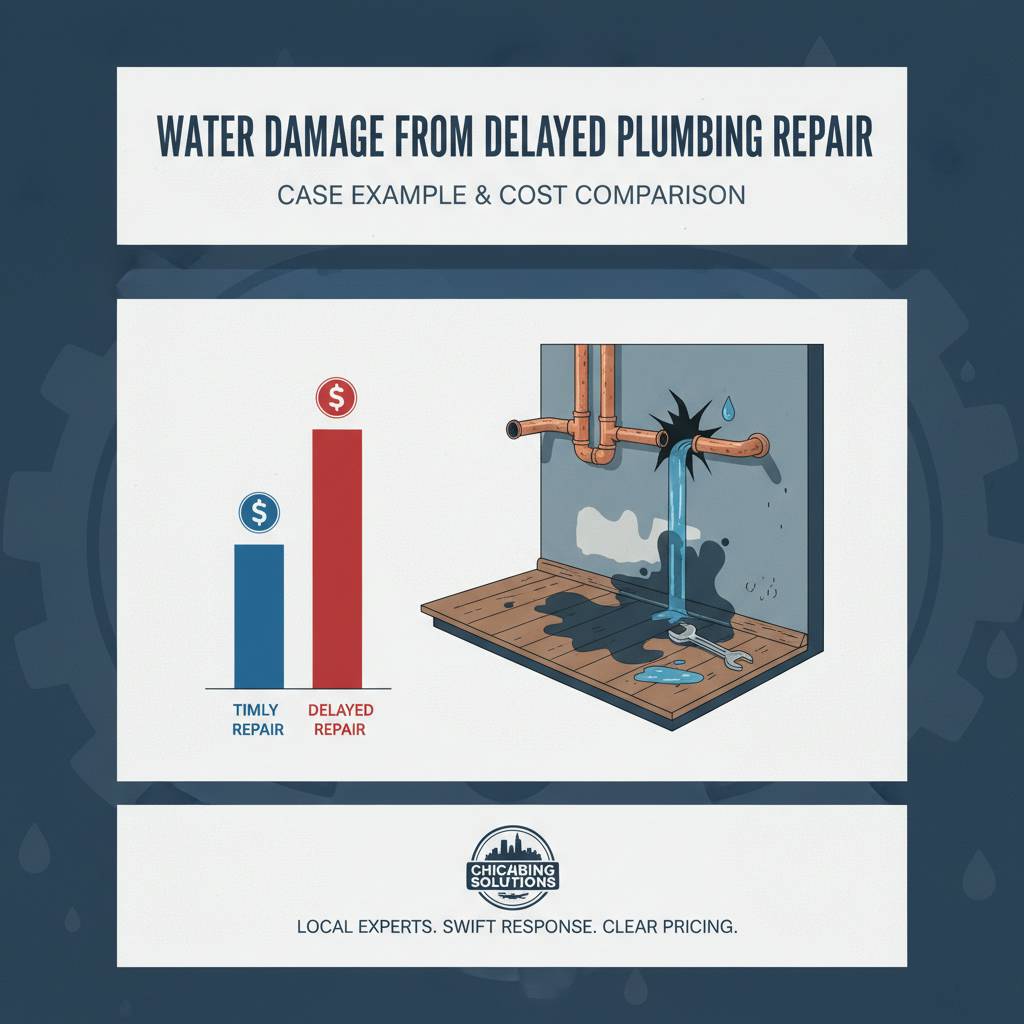 Consider a common scenario: a slow leak under a kitchen sink that is ignored for six months. Initially the cost to replace a damaged P-trap and seal a failed joint might be a few hundred dollars. Over time, the leak soaks the cabinet, penetrates the subfloor, and creates mold behind the drywall. By the time remediation occurs, the combined cost for structural repairs, mold remediation, and replacement cabinetry can be several thousand dollars.
That contrast is not hypothetical-our teams frequently see small, inexpensive plumbing fixes transform into multi-trade projects. In many instances, homeowners who schedule timely inspections and small repairs avoid the disruption, expense, and health risks associated with prolonged moisture intrusion.
Frequently asked questions
How quickly does mold develop after a leak?
Mold can begin to develop within 2448 hours in conditions where building materials remain damp. Temperature, humidity, and the material's porosity affect the rate of growth, but rapid response and drying dramatically reduce the chance of significant mold colonization.
Will my homeowner's insurance cover damage from a delayed leak?
Coverage varies by policy and insurer. Most policies cover sudden and accidental water damage (like burst pipes), but may limit or deny coverage for damage resulting from neglect over time. Document repairs and maintenance activities to support claims and speak with your insurer if you're uncertain about coverage for progressive damage.
Are smart leak detectors worth the cost?
For many homeowners the answer is yes. Smart detectors can detect slow drips and continuous flow even when you are away, and some systems can automatically shut off the main water supply. The prevention of a major remediation job usually offsets the device and installation cost, and some insurers offer reduced premiums for homes with monitoring systems.
Act now to protect your property and investment
 Delaying plumbing repairs is a false economy. The difference between a quick fix and a prolonged remediation project can mean thousands of dollars, lost time, and potential health concerns. Regular inspections, prompt repairs, and targeted upgrades reduce the chance of water damage from delayed plumbing repair and preserve both the safety and value of your property.
If you suspect a leak, notice unexplained moisture, or simply want an inspection to be proactive, call Chicago Pipe Essentials today. Our team offers prompt diagnostics, emergency response, and experienced guidance to prevent small issues from becoming extensive, costly problems. Schedule an urgent inspection by calling 312-555-4821.
For trusted, timely service and clear solutions, contact Chicago Pipe Essentials at 312-555-4821. We prioritize rapid intervention to protect your home or business and help you avoid the long-term consequences of untreated plumbing issues.