Signs Of Urgent Plumbing Emergency
Recognizing warning signs and why quick action matters
When water or sewage behaves unpredictably in your home, it's more than just an annoyance-it can quickly become a costly, hazardous problem. Knowing the common signs of urgent plumbing emergency helps you decide whether to act now or monitor the situation. Quick, informed choices often mean the difference between a broom-and-mop clean-up and major structural damage, mold growth, or ruined possessions.
At the first hint of an emergency, many homeowners feel uncertain. That's normal. This guide explains clear, practical symptoms to watch for, what to do immediately, and how to document the issue for repairs or insurance. Chicago Pipe Essentials encourages calm, decisive steps and offers advice you can use right away. If you need a rapid response or expert guidance, call 312-555-4821.
Common signs of an urgent plumbing emergency
Some plumbing issues are urgent because they threaten safety, property, or sanitation. Watch closely for sudden, obvious problems-these are often unmistakable. If you spot any of these indicators, treat the situation as urgent and prioritize safety for everyone in the home.
- Large, uncontrolled leaks: Water pouring from ceilings, walls, or major pipe bursts that continue despite turning fixtures off.
- Sewage backups or raw sewer smell: Water coming up from drains or toilets, foul odors indicating a sewer line problem.
- No water at all: Sudden loss of water in the whole house accompanied by strange noises or visible pipe damage.
- Rapid and unexplained increase in water bill: When usage spikes without explanation, it may indicate a hidden, ongoing leak.
- Standing water around electrical outlets or appliances: Any water near wiring or appliances creates a major safety risk.
- Signs of gas or fuel line issues: If plumbing work is near gas lines and you smell gas, evacuate immediately and call emergency services.
While small drips and slow drains are inconvenient, the items above usually require immediate intervention. Don't ignore them-delaying response can quickly turn a manageable problem into a full-scale emergency with mold, foundational damage, or health hazards.
What to do immediately when you notice an emergency
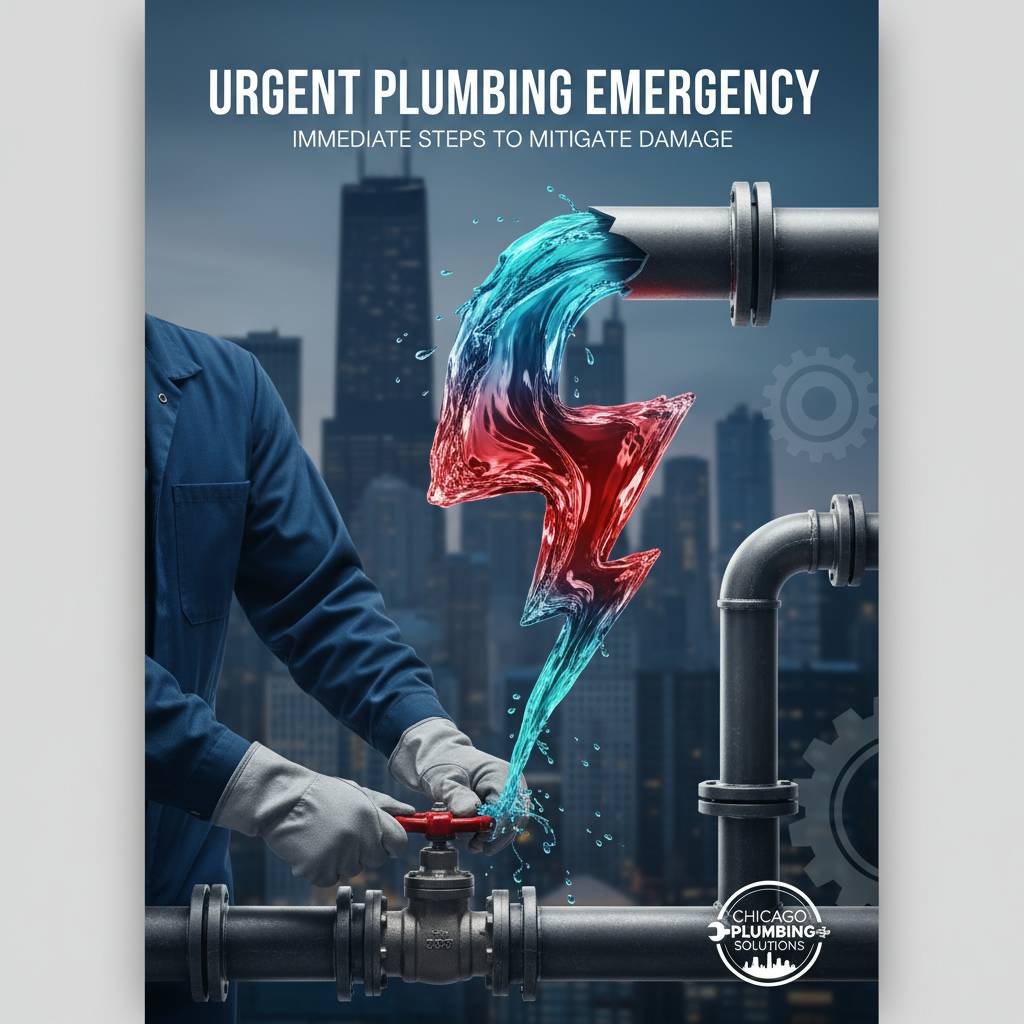 The first few minutes after spotting an urgent plumbing issue are essential. Start by assessing immediate dangers and protecting people and pets. Stop hazardous exposures-electrocution, slipping, and contamination from sewage are common secondary risks. Slow, thoughtful action is better than hasty DIY fixes that could make the problem worse.
- Shut off the main water supply if the leak or break is severe and you can reach the valve safely.
- Turn off electricity to flooded areas at the breaker to avoid shocks, but only if it's safe to do so without standing in water.
- Keep everyone away from the affected area-wet floors and contaminated water pose health and safety risks.
- Contain the water where possible with buckets, towels, and sandbags to limit spread and protect valuables.
- Call for professional help right away-this is not the time for experimental repairs if you're unsure.
If sewage is involved, do not attempt to clean it yourself without protective gear. Sewage carries pathogens and can contaminate your home. Instead, block off the area, ventilate if you can safely do so, and call a qualified service. Taking a few safe, deliberate steps can reduce damage and protect your family until professionals arrive.
How to document and communicate the problem effectively
Clear documentation makes repair work faster and supports any insurance claims. When you can safely do so, take timestamped photos and short videos of leaks, standing water, damaged materials, and affected rooms. Record the time you first noticed the issue, any noises you heard, recent work done on plumbing, and any changes to water pressure or color.
Keep a simple log of actions you take-when you shut off water, what you moved, and who you called. If the issue is ongoing, check the water meter before and after shutting supply to estimate flow. Save receipts for emergency supplies or temporary fixes; these may be reimbursable through insurance or help explain costs to a contractor.
Temporary fixes and safety precautions you can use right away
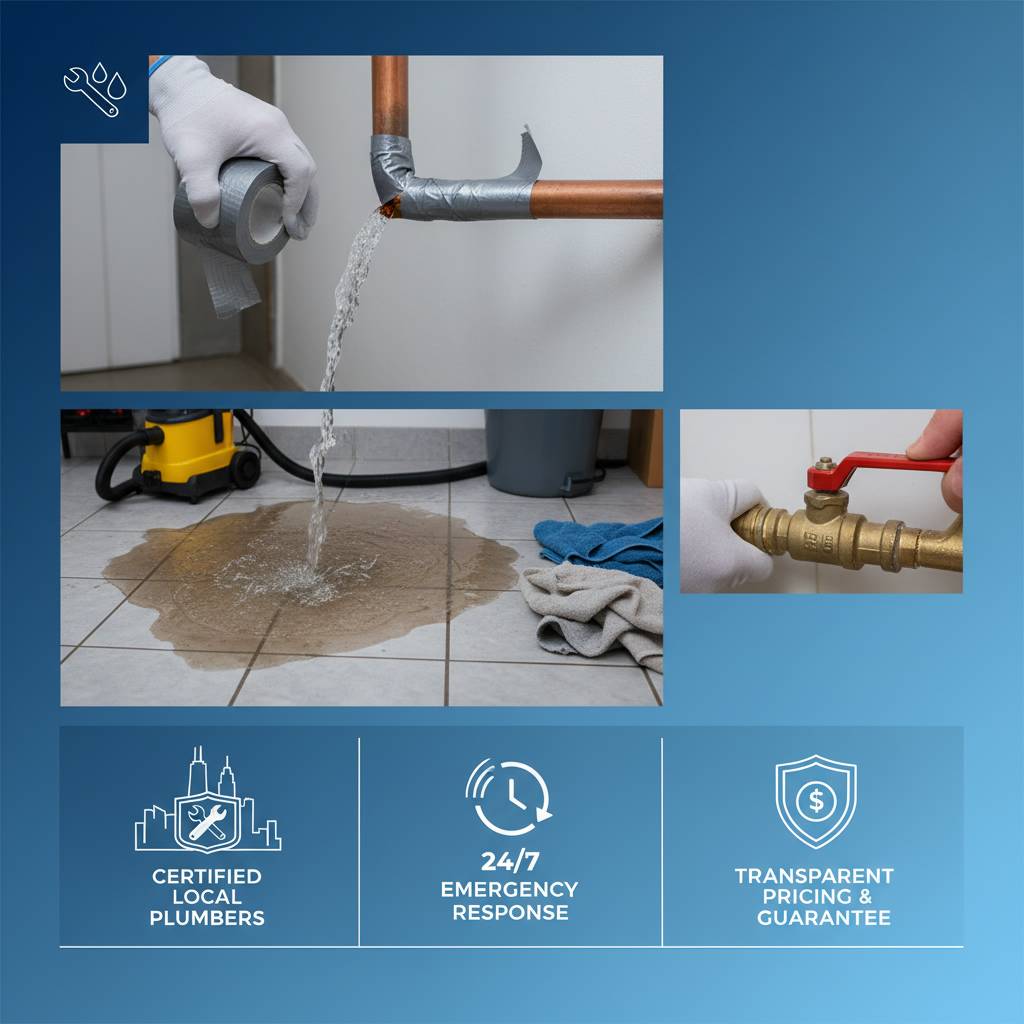 There are a few basic, temporary measures that can reduce immediate damage while you wait for professionals. These are stopgap actions, not permanent repairs. Use them cautiously, and avoid attempting anything that requires cutting into pipes or removing major fixtures unless you have the training and tools to do it safely.
- Use pipe clamps or rubber patches with hose clamps to slow small leaks temporarily.
- Place plastic sheeting and towels under leaks to protect floors and furniture; lift items off the floor when possible.
- Turn off individual fixture valves (toilets, sinks) if the main shutoff is inaccessible.
- Avoid pouring chemicals down drains to try to clear severe clogs that are causing backups-this can create hazardous reactions and damage pipes.
Always prioritize safety: if water has reached electrical outlets, appliances, or panels, do not touch anything and do not attempt fixes in the dark or with bare hands. For sewage or contaminated water, wait for professionals with proper protective equipment. Temporary measures are meant to reduce harm, not replace professional assessment and repair.
Preventing future plumbing emergencies
 Many urgent plumbing issues become emergencies because minor problems were overlooked. Regular maintenance is the best defense: schedule yearly inspections for visible and hidden plumbing, keep drains clear of debris, and teach household members what to avoid flushing or pouring down sinks. Prevention pays for itself in avoided damage and stress.
Consider these practical steps: install water leak detectors near exposed pipes, under sinks, and by water heaters; know where your main shutoff valve is located and practice turning it off; insulate pipes in unheated areas to prevent freezing; and replace aging hoses or shutoff valves before they fail. Home upgrades like pressure regulators or automatic shutoff devices can also limit the scale of a break if one occurs.
Finally, pick a trusted professional before an emergency happens. Having a reliable contact to call reduces response time and helps you get accurate, trustworthy advice under pressure. When preventive work is done well, you'll be less likely to face that urgent middle-of-the-night call.
When to call a professional and what to expect
 Not all leaks need emergency service, but when you see one of the red-flag signs of urgent plumbing emergency-burst pipes, sewage backups, or flooding-call a qualified plumber immediately. Professionals have the training, equipment, and insurance to handle hazardous, complex repairs safely and permanently. Expect them to prioritize safety, stop the leak, and assess structural or contamination issues.
When a plumber arrives, they'll typically: confirm shutoffs, locate the failure point, use diagnostic tools (cameras, leak detectors), propose repair or replacement options, and explain timelines and costs. Emergency calls may involve after-hours or rapid-response fees, but the cost of immediate professional action is often far less than long-term water or mold remediation. Keep a clear record of the work performed and any warranties or guarantees provided.
Choosing the right service
Look for licensed, insured professionals with good local reviews and transparent pricing. Ask whether they handle emergency work, what response time you can expect, and whether they provide written estimates. A reputable company will communicate clearly, prioritize safety, and explain permanent repair options in plain language so you can make an informed choice.
Quick FAQ: common homeowner concerns
 Here are straightforward answers to questions people often have when they suspect an urgent plumbing issue.
- Q: Can I wait until morning for a leak that isn't gushing? A: If the leak is small and contained, monitoring overnight may be reasonable-but if it's wetting walls, affecting ceilings, or near electrical systems, call now.
- Q: Is a discolored water supply an emergency? A: Brown or cloudy water after work on the system can be transient; however, persistent discoloration, especially with odor or sediment, should be inspected promptly.
- Q: What if I smell sewage but don't see backup? A: That smell can mean a blocked vent, sewer line issue, or damaged seal. Treat it seriously and seek professional service to avoid contamination risks.
- Q: How do I protect my home financially? A: Document everything, contact your insurance agent quickly, and keep receipts for emergency mitigation. A professional can provide a report to support claims.
Final steps, immediate contacts, and closing advice
When you identify any signs of urgent plumbing emergency, act quickly but safely: shut off water if necessary, protect people and valuables, document the issue, and call for professional help. Taking these steps reduces damage and makes the repair process smoother for everyone involved.
If you need rapid advice, immediate dispatch, or help documenting the problem for insurance, reach out right away. Our team provides calm, practical support and can guide you through the first actions to take while you wait for help to arrive.
For prompt assistance and experienced emergency response, contact Chicago Pipe Essentials at 312-555-4821. We're ready to help minimize damage and restore safety quickly.
If you'd like, call now for advice on what to do in the moment or to schedule a fast inspection-Chicago Pipe Essentials is standing by at 312-555-4821.