Signs Of Hidden Slab Leak Damage
Hidden slab leaks can cause serious foundation and flooring damage, and Chicago Pipe Essentials outlines the subtle signs to watch for so you can act before costs rise sharply
Slab leaks are among the most destructive plumbing problems a homeowner can face because they develop underneath concrete floors and often go unnoticed until damage is advanced. Recognizing early signs of hidden slab leak damage can save you thousands, preserve structural integrity, and avoid invasive repairs. This guide from Chicago Pipe Essentials explains the sound, moisture patterns, and utility anomalies that commonly point to a slab issue so you can call for a prompt diagnostic before problems escalate.
We'll walk through the typical symptoms, practical ways to narrow down the cause, and the diagnostic tools professionals use to locate leaks without tearing up entire slabs. The goal is clear: spot the warning signs early, understand the diagnostic path, and choose a remediation strategy that balances permanence, minimal disruption, and cost. If you suspect a leak, contact Chicago Pipe Essentials at 312-555-4821 for timely assessment.
What is a slab leak and why early detection matters
A slab leak is a break or crack in a plumbing pipe that runs beneath the concrete foundation of a home. These pipes may be for potable water, heating systems, or irrigation, and leaks often start slowly - a pinhole here, a hairline crack there - then worsen over time. Because the pipe is under a concrete slab, water can travel uncontrolled before it becomes visible, allowing moisture to undermine the footing, saturate subfloor materials, and promote mold growth.
Early detection is critical not just to stop water loss but to prevent secondary damage. Persistent moisture under a slab can erode soil, cause slab settlement, or create pathways for future failures. Flooring materials - hardwood, tile, engineered products - are vulnerable to swelling, warping, and delamination that often require expensive replacement. Fast responses reduce the area that must be excavated and preserve as much original structure and finish as possible.
Audible and utility anomalies that suggest a slab leak
 Some of the earliest, most reliable signs of hidden slab leak damage are related to sound and changes in your utility usage. The human ear - and a few simple checks - can be surprisingly effective at raising an alarm long before visible damage appears. If you start hearing unexpected noises, acting quickly is a smart move.
Common audible indicators include a persistent hissing or underground rushing sound, particularly when all other water-using appliances are off. You might also hear tapping or cyclical gurgling near the floor or along a wall adjacent to the water main. These sounds often intensify when water pressure is on and diminish when fixtures are shut off, which helps differentiate a slab leak from other structural noises.
Utility anomalies are another important clue. An unexplained spike in water bills without a corresponding change in consumption habits is a hallmark indicator. Likewise, your water meter may register usage while all faucets and appliances are off - check the meter, then refrain from using water and see whether it continues to move. Those patterns of phantom usage, combined with audible cues, are strong evidence of underground leakage requiring professional evaluation.
Moisture patterns and flooring behavior to watch for
Moisture manifests in ways that are sometimes subtle but telltale. Look for damp or warm spots on floors, areas that feel cooler or wetter underfoot, or faint puddling in localized areas that reappears after drying. You may notice mineral residue, efflorescence, or a musty odor around floor perimeter vents, baseboards, or carpet edges - these are signs that moisture is migrating from beneath the slab to the living space.
Flooring reacts differently depending on material. Hardwood and engineered floors can cup, crown, or buckle as their layers absorb moisture unevenly. Tile grout may discolor, loosen, or develop hairline fractures, while vinyl and laminate can lift or bubble. Carpets may feel consistently damp, develop localized mold, or take a long time to dry after cleaning. Tracking the pattern of flooring degradation often points to the leak's proximity and helps technicians focus diagnostic testing.
- Localized warping or cupping of hardwood near a specific room or wall
- Recurring dampness under area rugs or at room corners
- Tile grout discoloration or soft spots in thin-set mortar
- Newly appearing cracks in concrete or grout lines parallel to plumbing runs
How to confirm a suspected slab leak: diagnostics and tools
 Confirming a slab leak requires a combination of observation and technology. Start with basic homeowner checks like verifying that the water meter moves with all fixtures off, noting sound patterns, and mapping damp areas. For professional confirmation, trained technicians use non-invasive tools designed to locate leaks quickly and accurately without unnecessary demolition.
Common diagnostic techniques
Technicians may use acoustic listening devices that amplify underground water movement, thermal imaging cameras to spot temperature anomalies caused by escaping water, and gas tracer tests where an inert gas is introduced into the plumbing and detected above the slab. Each method has strengths: acoustic tools are fast for audible leaks, thermal imaging is excellent for warm or hot-water lines, and tracer gas is highly precise for concealed, low-flow leaks.
| Method | Best for | Invasiveness |
|---|---|---|
| Acoustic listening | Active, noisy leaks in quiet conditions | Minimal |
| Thermal imaging | Hot-water lines and temperature contrasts | Minimal |
| Tracer gas | Small, hard-to-detect leaks | Minimal-to-moderate |
| Core drilling / isolation testing | Precise excavation targets for repair | Moderate |
After locating the general area, technicians commonly perform isolation tests by turning off sections of the plumbing to see if pressure loss stops. This helps pinpoint the specific line and can significantly limit the excavation area needed. Many reputable teams will share thermal images, acoustic readings, and pressure data with you so the recommended repairs are supported by evidence rather than guesswork.
Remediation options and what to expect during repair
 There's no one-size-fits-all repair for slab leaks; the right solution depends on factors like pipe material, leak size, location, and home layout. Typical remediation options include pipe rerouting, trenchless repair methods, pipe lining (cured-in-place), and targeted excavation. Each has tradeoffs in cost, durability, and disruption to the home and landscaping.
Trenchless repairs and relining can often fix leaks without breaking the entire slab, creating a new, seamless lining within the existing pipe. This approach minimizes flooring damage and shortens downtime. Where the pipe is irreparably damaged or rerouting is a better long-term option, precise, small-scale excavation may be necessary. Skilled technicians will choose the least invasive approach that provides a reliable long-term outcome.
Expect professionals to follow a clear work plan: verify the leak location, protect surrounding finishes with temporary barriers, perform the chosen repair method, pressure-test the system, and restore the workspace. A good contractor documents each step, explains warranty terms, and provides after-care recommendations for moisture control and structural monitoring.
Prevention, maintenance, and monitoring to reduce future risk
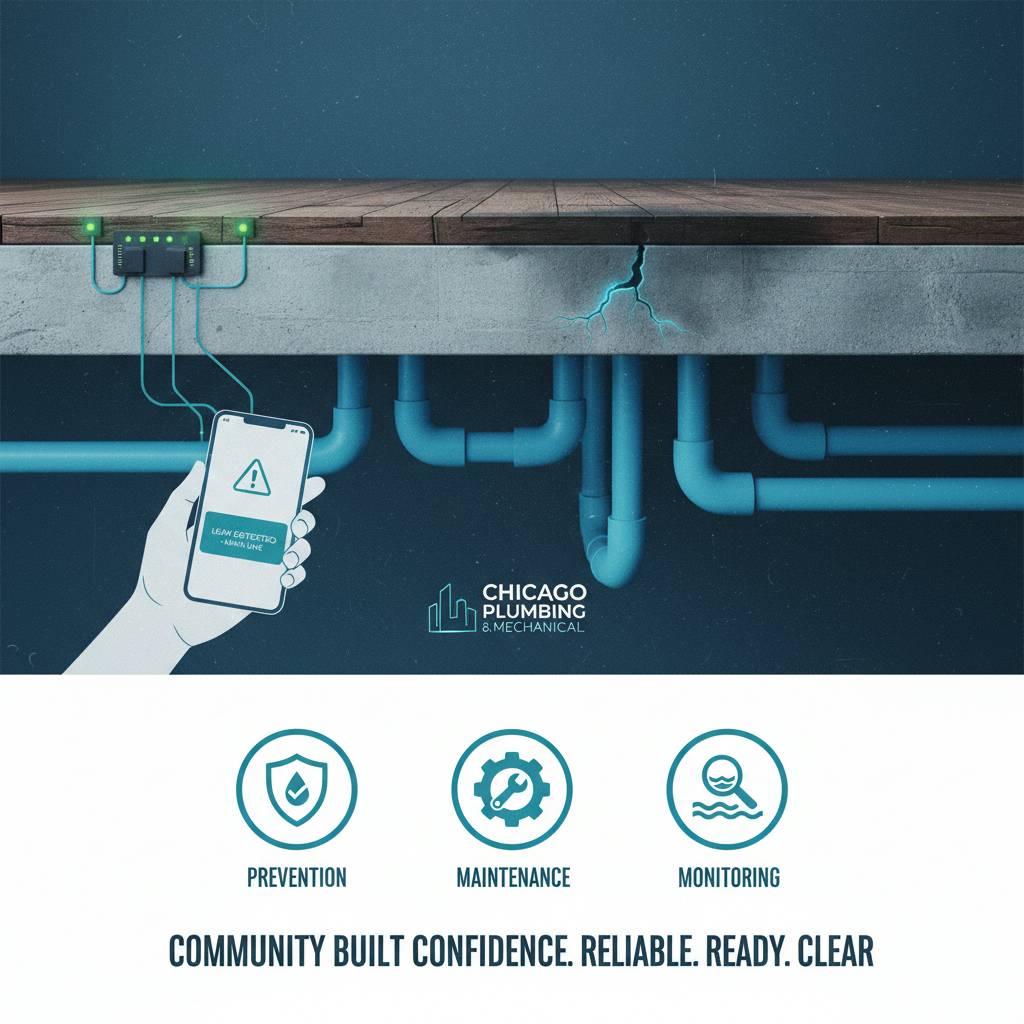 While some slab leaks result from unpredictable events like shifting soil or accidental construction damage, many are preventable with routine maintenance and vigilance. Periodic inspections of water pressure, regular checks of the water meter for phantom usage, and avoiding planting trees with aggressive roots next to slabs can reduce risk. Maintaining consistent indoor temperatures and humidity levels also helps limit expansion and contraction stresses on piping systems.
Installing leak-detection devices and automatic shutoff valves in key locations adds a robust layer of protection. These systems can detect abnormal flows or moisture and shut off supply to prevent extensive damage. For households with older plumbing materials known to degrade over time, budget for phased replacements and proactive upgrades based on professional recommendations rather than waiting for failure.
Real examples and common homeowner questions
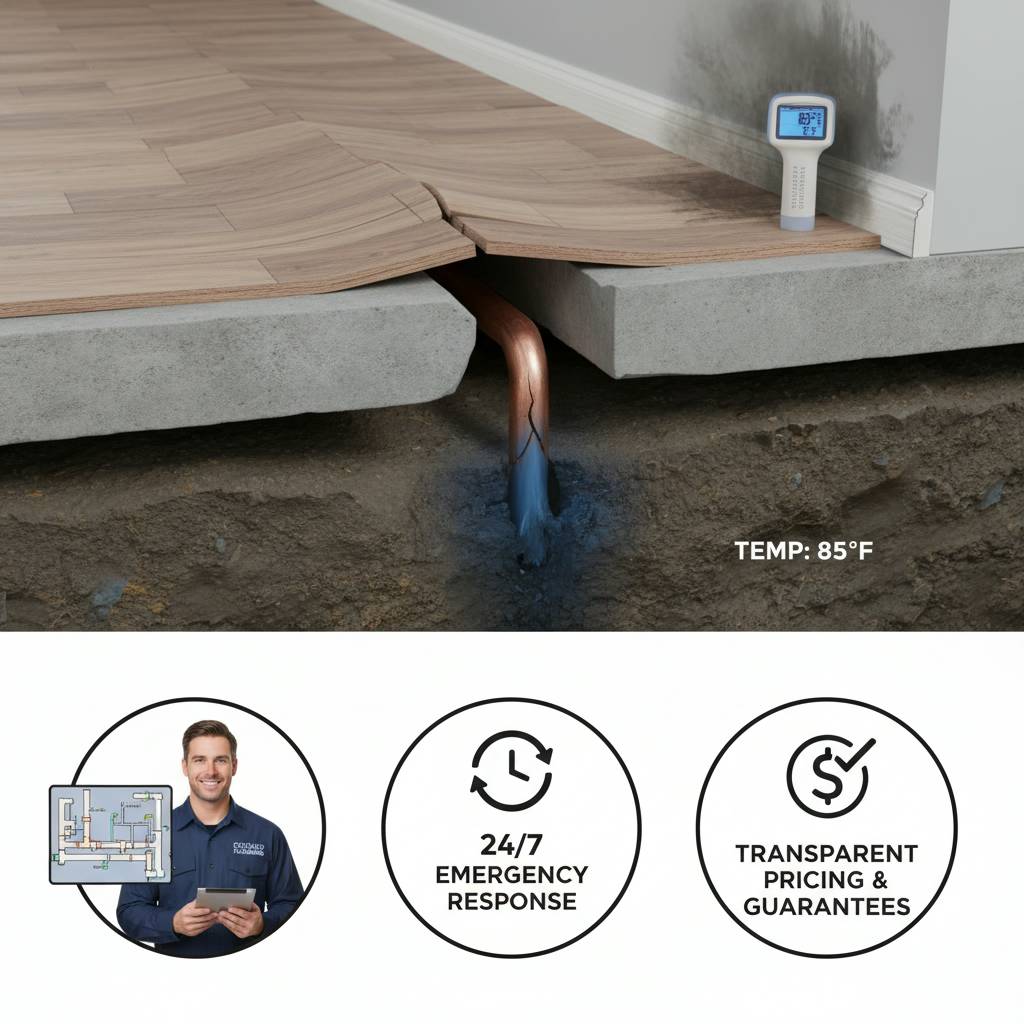 Case snapshot: a homeowner noticed a steady increase in the water bill and a faint but persistent warm spot in the kitchen tile. Acoustic testing revealed a low-volume leak under the slab near the hot-water line. Using tracer gas and a single precision core, the team accessed a short pipe segment, performed a relining operation, and restored tile. The homeowner avoided full-slab demolition and resumed normal use within days.
FAQ - How fast does a slab leak cause structural damage? It varies, but continuous leakage even at low flow rates will eventually saturate sub-slab soil and adjacent building materials. Damage can start to appear within months if the leak is steady. That's why early detection of the signs of hidden slab leak damage is essential to limit repair scope and cost.
FAQ - Can floor repairs be done without replacing the entire floor? Often yes. If the leak is located and repaired quickly, affected flooring can sometimes be replaced only in localized areas. In settings like tile over mortar, more extensive repair may be required depending on how long water infiltrated under the tiles. A reputable contractor will prioritize minimal, targeted restoration whenever practical.
Closing and prompt next steps
Hidden slab leaks are stealthy but not invisible; they leave traces in sound, water use patterns, and flooring behavior if you know where to look. Acting on the early signs of hidden slab leak damage reduces the repair footprint and preserves both your home's structural integrity and your budget. When in doubt, a prompt professional diagnostic is the difference between a small targeted repair and a major renovation.

For a careful inspection, evidence-backed diagnostics, and practical remediation options, contact Chicago Pipe Essentials. Our team will assess suspected leaks, explain the diagnostic findings, and recommend the least disruptive repair plan tailored to your home. Call Chicago Pipe Essentials at 312-555-4821 to schedule a prompt evaluation - early action preserves structure and minimizes invasive repairs.