Mold Risk After Plumbing Leak
A plumbing leak can create ideal conditions for mold growth and hidden damage. Chicago Pipe Essentials explains the timeline of mold development and steps to mitigate risk. Call 312-555-4821 for an assessment and mold prevention plan after any leak. Our approach protects health and home integrity.
When a pipe fails, a seemingly small puddle can become the start of a much larger problem. Mold risk after plumbing leak is real and time-sensitive: moisture, organic materials, and warmth combine to allow fungal colonies to establish rapidly. Chicago Pipe Essentials focuses on quick, evidence-based responses that limit spread, protect building materials, and reduce health impacts for occupants. Early recognition and action are the best defenses against hidden damage that can undermine structural integrity and indoor air quality.
How quickly does mold begin to grow?
Mold can begin to germinate within 24 to 48 hours on damp surfaces, but growth becomes visually and structurally significant over several days to weeks. The exact pace depends on temperature, humidity, the porosity of materials, and how much organic matter is present. For example, carpeting and drywall will show visible signs sooner than tile or metal because they absorb and retain moisture. Understanding this timeline helps homeowners prioritize drying and remediation tasks.
Typical timeline of development
Within the first 2448 hours after a leak, microscopic spores can start colonizing wet surfaces; you may not see anything yet, but conditions are favorable. By day three to seven, colonies can produce visible discoloration, musty odors, and early material weakening. After two weeks, mold may be well-established within wall cavities and under flooring, requiring professional removal and possibly material replacement. Fast action within the first 4872 hours often prevents costly repairs.
| Time Since Leak | Likely Condition | Recommended Action |
|---|---|---|
| 048 hours | Surface moisture, no visible mold | Stop source, begin drying, remove standing water |
| 37 days | Early visible mold, musty odor | Isolate affected area, increase airflow, consider professional assessment |
| 2 weeks | Established growth, hidden contamination likely | Professional remediation, possible material removal |
Recognizing hidden damage and early signs
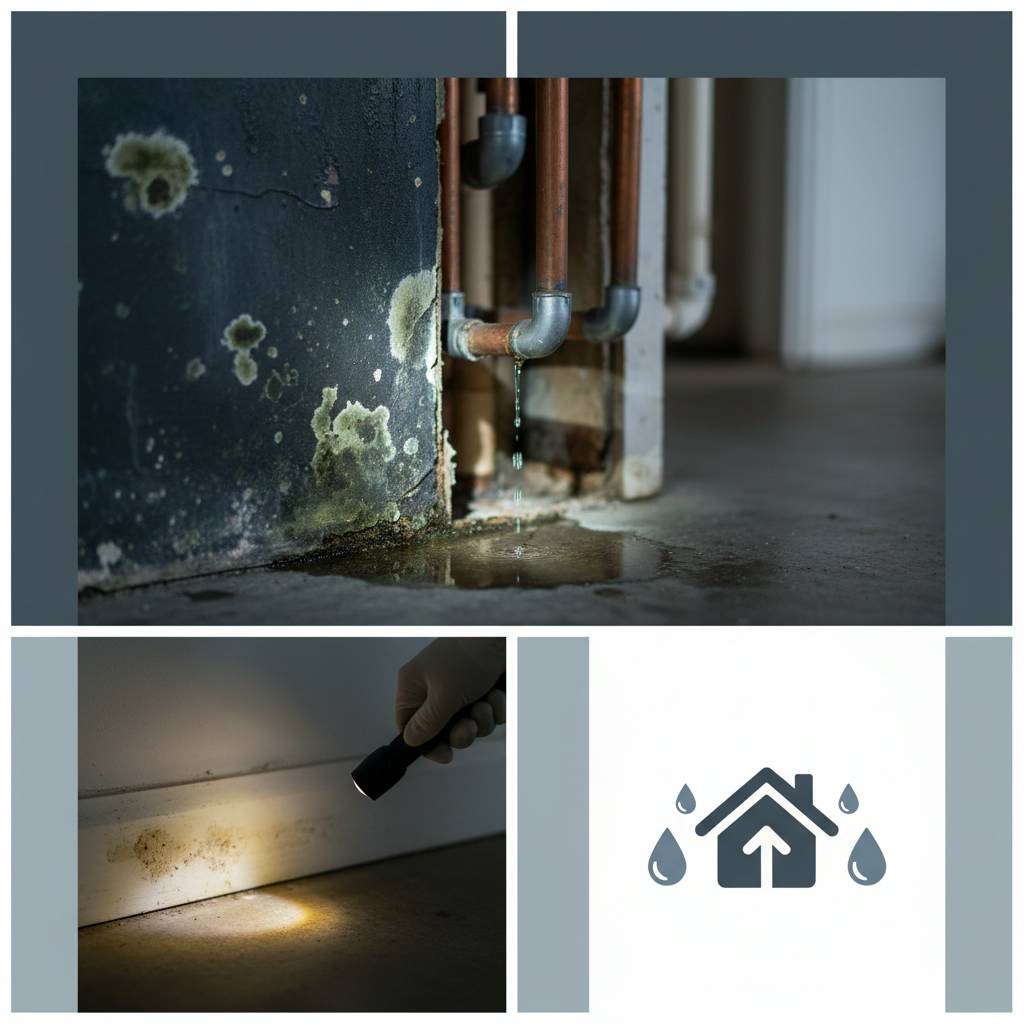 Visible mold is only part of the problem; hidden damage often causes the biggest expense and most persistent health concerns. Look for subtle indicators: persistent or recurring damp odor, unexplained allergy-like symptoms in occupants, discoloration on ceilings or baseboards, bulging walls, or soft spots in flooring. Plumbing leaks behind walls and under fixtures frequently go unnoticed until mold has penetrated structural components.
Inspection should include both visual checks and moisture mapping. Moisture meters and thermal imaging cameras can reveal damp pockets behind finishes where mold thrives out of sight. If you notice staining or paint blistering along with increased humidity, those are red flags that mold risk after plumbing leak has moved past the early stage and more invasive actions may be necessary.
Immediate steps to take after a plumbing leak
Time is the most important variable after any leak. Your immediate goals are to stop additional water entry, remove standing water, and begin drying. If the leak is internal, turn off water at the main or isolate the faulty fixture. If you cannot safely stop the water yourself, call a licensed plumber right away. Stopping the source preserves materials and limits the area professionals must address later.
- Shut off the water supply to the affected area and, if necessary, to the whole home.
- Remove standing water with pumps or wet vacuums; do this quickly to prevent saturation of porous materials.
- Ventilate the area using fans and dehumidifiers, and open windows when weather permits to lower relative humidity.
- Remove wet carpeting, linens, and other personal items from the affected space and dry them separately.
These steps are straightforward but must be implemented quickly and correctly. Improper drying can leave pockets of moisture in subfloors and wall cavities, paving the way for mold to return even after initial cleanup. If the leak was extensive or contamination is suspected (for example, sewage or graywater), stop further action and contact professionals to avoid exposure risks and improper cleanup.
When to call a professional for assessment and remediation
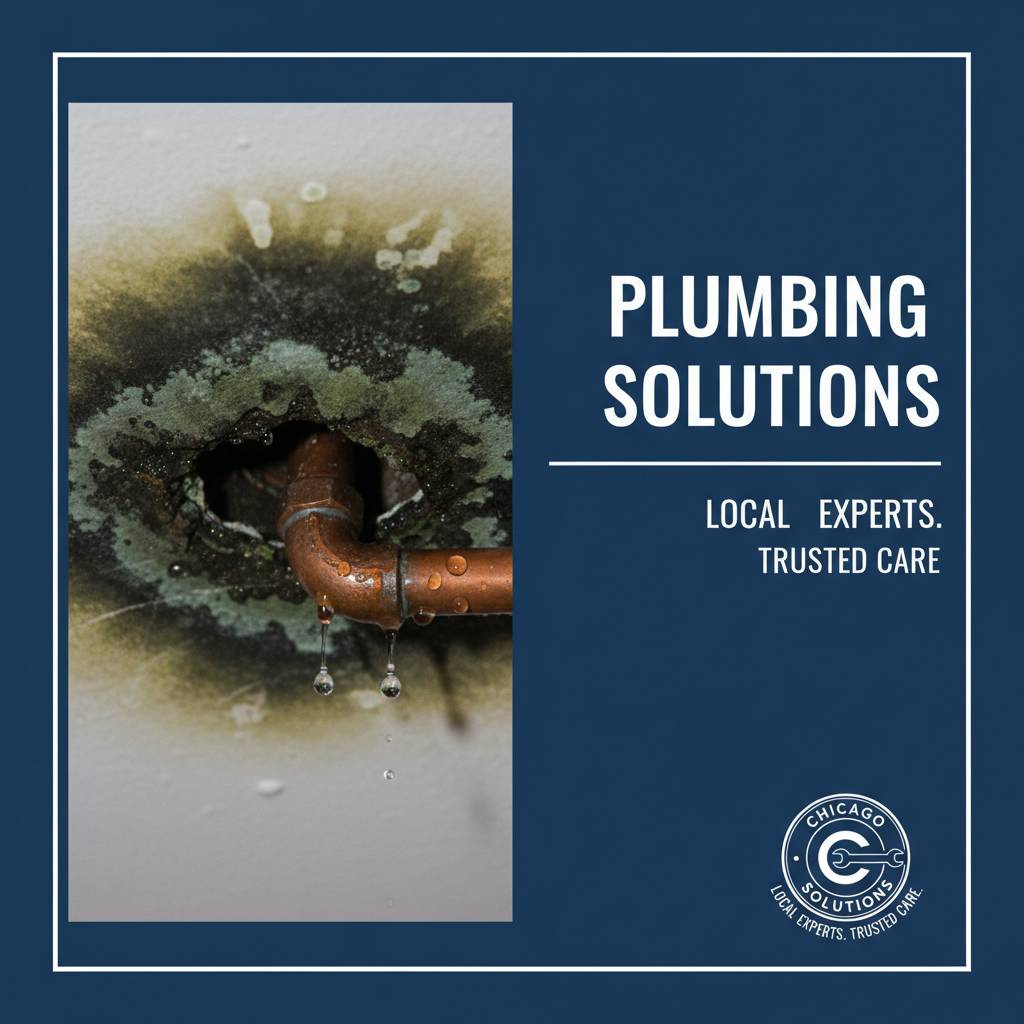 Not every small spill requires a contractor, but mold risk after plumbing leak increases substantially when moisture has soaked into structural materials or persisted more than 4872 hours. Call Chicago Pipe Essentials when you observe visible mold, persistent odors, or signs of material deterioration such as sagging ceilings or soft subfloors. A professional assessment clarifies the scope of damage and prevents common mistakes like painting over mold or insufficiently drying hidden cavities.
Professional teams use diagnostic tools and containment strategies that protect the rest of your home during remediation. Expect moisture mapping, targeted demolition when necessary, HEPA-filtered air scrubbers, and documented drying protocols. A good remediation plan includes clear criteria for when an area is considered dry and mold-free, along with follow-up monitoring to ensure the problem does not recur. CPE sometimes emphasizes that documentation is crucial for both homeowner peace of mind and insurance claims.
What to expect from a professional inspection
- Detailed visual inspection of affected areas and adjoining spaces.
- Moisture testing and thermal imaging to locate hidden wet spots.
- Sampling when health concerns or legal questions arise, with laboratory analysis if necessary.
- A written scope of work for remediation, estimated timeline, and post-remediation verification.
Remediation techniques that stop mold growth and repair damage
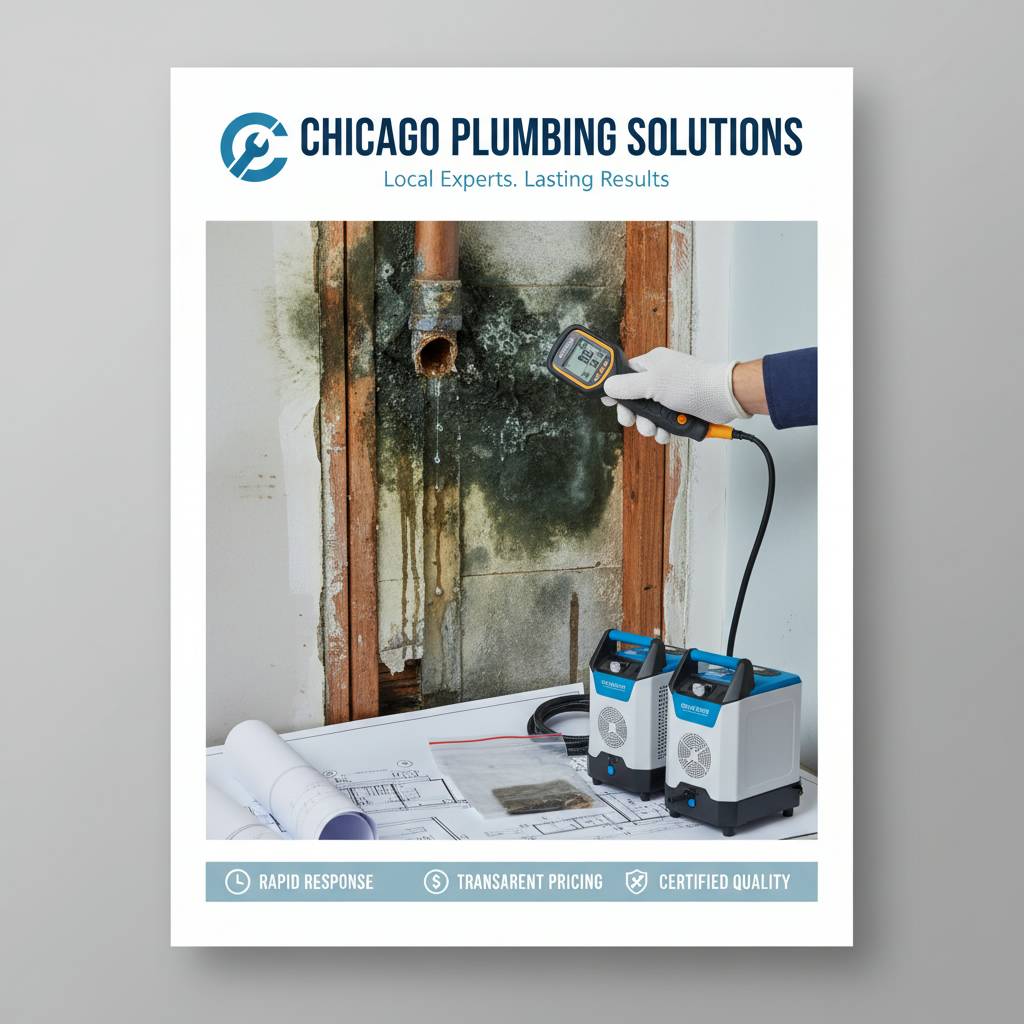 Remediation begins with containment to prevent spores from spreading to unaffected parts of the property. Technicians typically establish negative pressure with air scrubbers and erect physical barriers before performing targeted removal of contaminated materials. Porous items like insulation, drywall, and some types of flooring are often removed and replaced because they retain moisture and harbor deep-rooted mold that cleaning cannot reliably eliminate.
Non-porous surfaces can be cleaned and disinfected using EPA-registered products and mechanical agitation to remove colonies. Drying is a non-negotiable part of remediation: using industrial dehumidifiers and properly positioned air movers ensures that moisture is driven out of materials rather than simply redistributed. Professionals also perform clearance testing or visual verification to confirm that remediation goals have been met before closing out the job.
Prevention strategies to lower future mold risk after plumbing leak
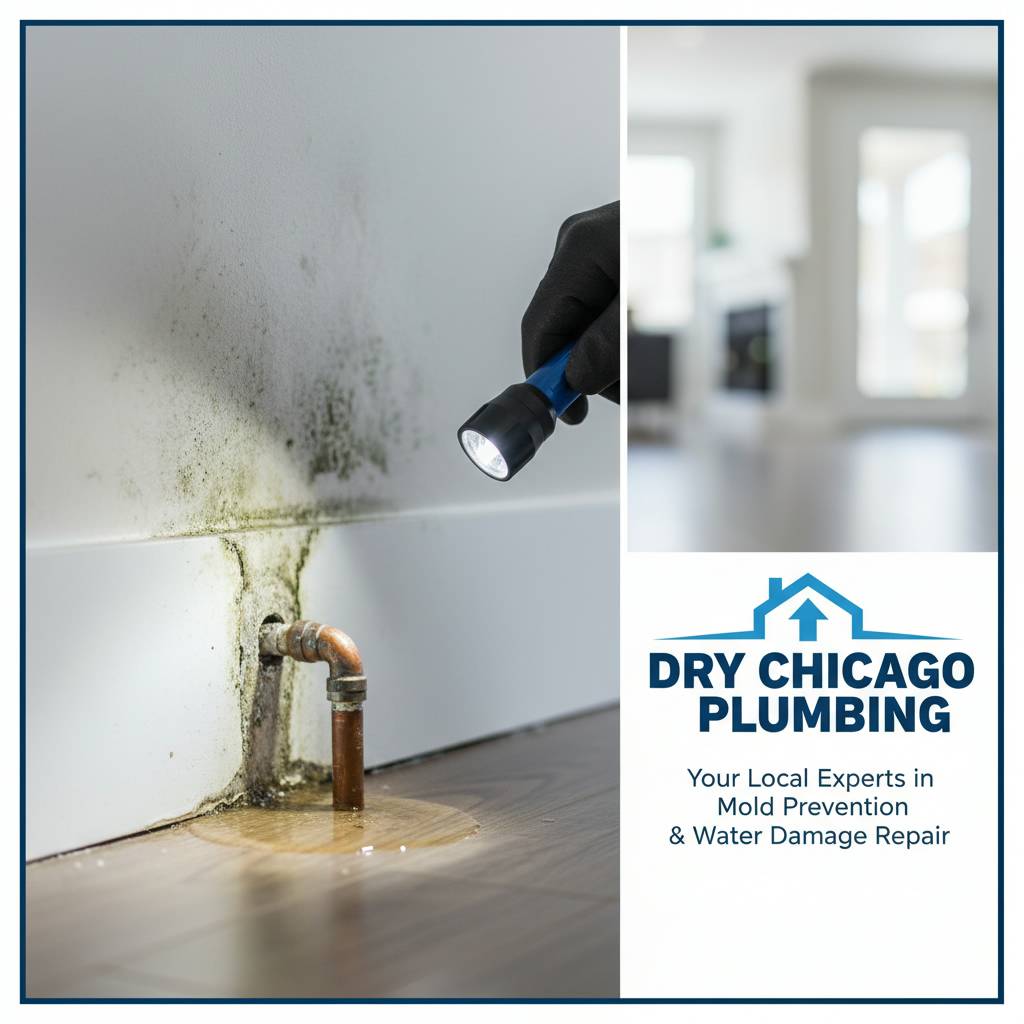 Preventing mold is far less expensive and disruptive than remediation. Regular maintenance of plumbing fixtures, timely replacement of aging pipes, and prompt attention to minor leaks cut off mold's opportunity to establish. Consider having Chicago Pipe Essentials perform periodic inspections, especially in older homes or areas with hidden plumbing runs, to identify vulnerabilities before they become emergencies.
Home improvements that reduce moisture retention are effective long-term strategies. These include installing moisture-resistant drywall in high-risk areas, improving ventilation in bathrooms and kitchens, upgrading to water-sensing alarms near appliances and under sinks, and insulating pipes to prevent condensation. Combining these measures with good habits-quickly drying spills, keeping indoor humidity below 50%, and inspecting accessible plumbing monthly-dramatically reduces the chance that a single leak becomes a health hazard.
- Install leak detection devices and automatic shut-off valves near major appliances.
- Use water-resistant building materials in basements, bathrooms, and laundry rooms.
- Maintain gutters and grading to direct water away from the foundation.
- Schedule professional plumbing inspections for older systems or prior to major renovations.
Frequently asked questions about mold and plumbing leaks
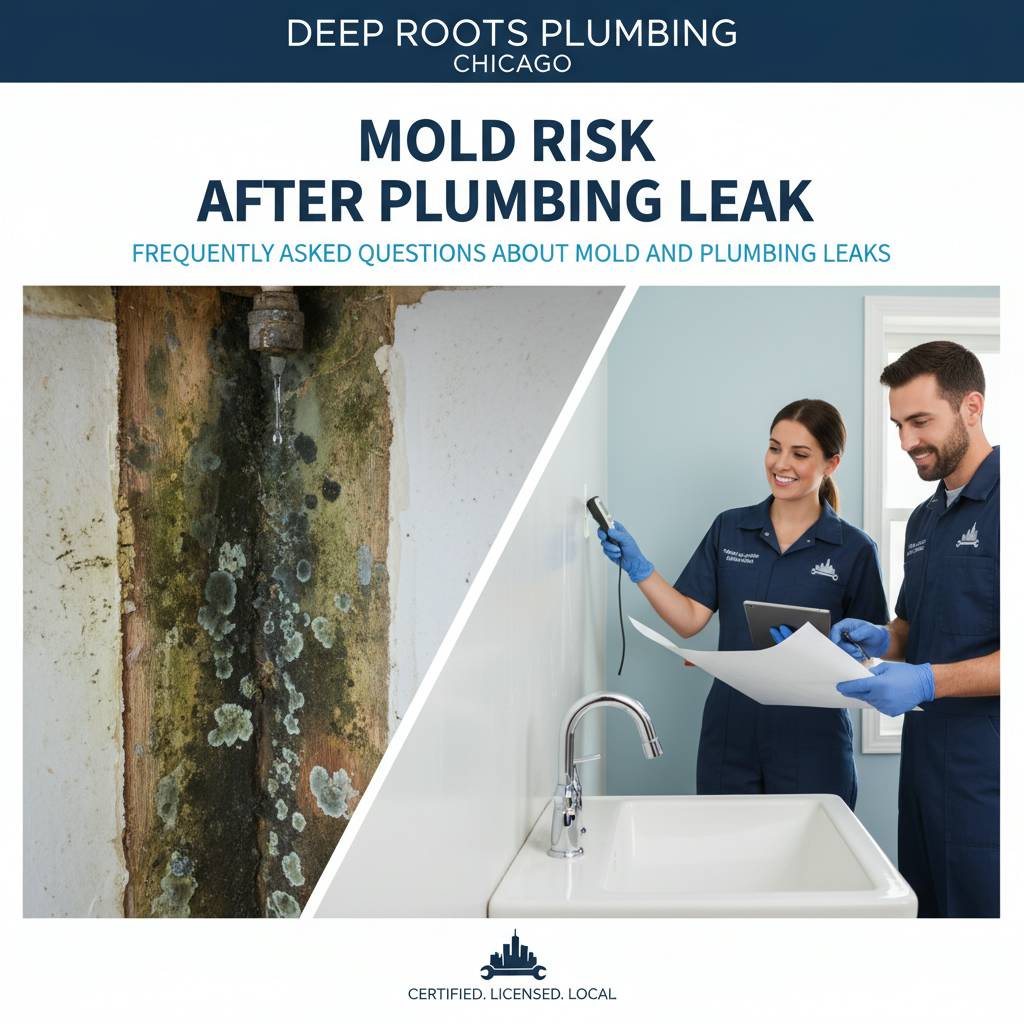
Will bleach kill mold after a plumbing leak?
Bleach may remove surface discoloration on non-porous surfaces, but it does not penetrate porous materials to kill root colonies and can sometimes worsen moisture conditions by leaving residual water. Professional remediation favors mechanical removal and targeted antimicrobial treatments, followed by thorough drying. For porous building materials, replacement is often the only reliable solution.
How long after a leak should I wait before replacing drywall or flooring?
Replacement timing depends on how long materials were wet and how well they can be dried. Drywall and carpeting exposed to continuous moisture or contaminated water should be removed promptly-typically within 4872 hours-to prevent mold establishment. If materials can be quickly and thoroughly dried and show no signs of contamination, replacement may not be necessary; however, expert evaluation reduces the risk of missed hidden damage.
Does mold always pose a health risk?
Mold exposure affects individuals differently. While not every mold species causes illness, many produce allergens or irritants that aggravate respiratory conditions, asthma, or immune sensitivities. Because it is difficult to predict individual reactions and to identify all mold species visually, reducing mold risk after plumbing leak is the most prudent strategy for protecting household health.
Case example: small leak, big consequences-and how it was stopped
A homeowner noticed a faint musty odor two weeks after a slow leak behind a bathroom vanity was patched. At first glance, nothing seemed wrong, but moisture mapping revealed elevated relative humidity behind the vanity and softening of the adjacent drywall. Because the problem had time to develop, mold had colonized the cavity and reached the subfloor. Chicago Pipe Essentials performed a targeted demolition, removed contaminated materials, dried the structure to specified moisture levels, and replaced affected finishes. Post-remediation verification confirmed the home was restored to safe, dry condition.

This example underscores two lessons: slow, low-volume leaks are deceptively dangerous, and a prompt, measured response-combining targeted removal with documented drying-prevents recurrence and reduces long-term costs. Small leaks left untreated are often the source of chronic indoor air quality problems that present months or years later as recurring odors and health complaints.
Closing thoughts and next steps
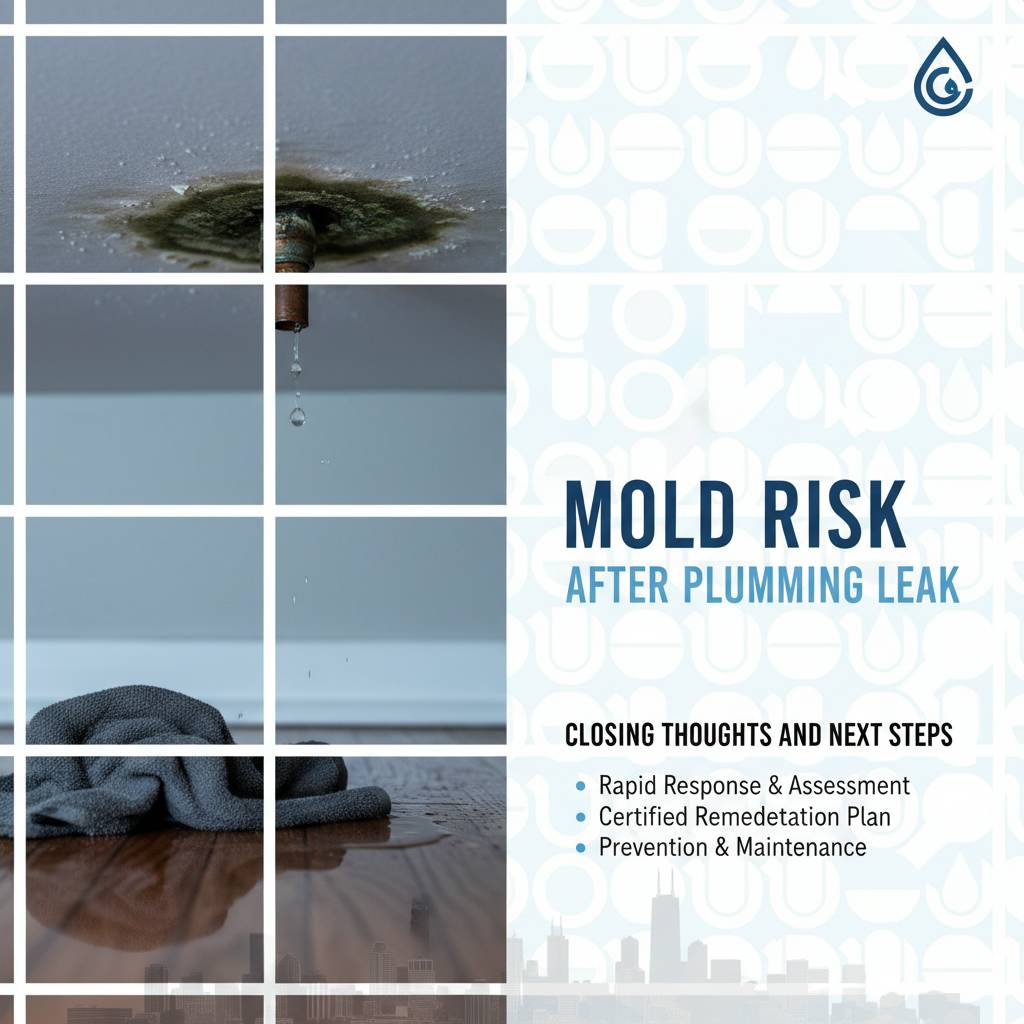 Mold risk after plumbing leak is a preventable and manageable concern when approached with urgency and the right techniques. Homeowners who act fast to stop leaks, remove standing water, and begin drying significantly reduce the chance of concealed contamination and costly repairs. When the situation is beyond a quick cleanup or when signs of hidden damage appear, calling a qualified team ensures the problem is identified, contained, and resolved according to industry standards.
If you suspect mold or want an expert assessment after any plumbing incident, Chicago Pipe Essentials offers prompt inspections, clear scopes of work, and proven remediation plans that prioritize health and home longevity. For a reliable evaluation and an individualized mold prevention plan, contact us at 312-555-4821. Our team will help you understand the timeline, the risks, and the most efficient path to a safe, dry living environment.
Call Chicago Pipe Essentials today at 312-555-4821 for an assessment and mold prevention plan tailored to your property.