
How Long Can A Small Leak Go Unrepaired Before Flooding
Establishing how long a small leak can go unrepaired helps homeowners prioritize repairs. Chicago Pipe Essentials provides realistic risk timelines and monitoring advice to prevent escalation. Call 312-555-4821 for inspection and timely repair if the leak shows signs of worsening. We help avoid unexpected flooding and major loss.
Small leaks often feel harmless at first, but understanding how long a small leak can go unrepaired before flooding is essential for sensible home maintenance. This guide explains realistic timelines, the variables that speed up damage, and what homeowners can do right away to limit harm. Chicago Pipe Essentials draws on field experience to give practical, prioritized steps so you can make confident choices about repair timing and risk mitigation.
Across the next sections you'll find explanations of common leak sources, typical progression scenarios, and clear signs that an otherwise minor problem is becoming an urgent hazard. Use this material to decide when temporary fixes are acceptable and when immediate professional help is the right call. If you prefer, contact Chicago Pipe Essentials today at 312-555-4821 for an inspection and a realistic timeline for your specific situation.
Why even a small leak matters: hidden costs and common misconceptions
Many homeowners assume a tiny drip under a sink or a slow stain on a ceiling is a low-priority nuisance. In reality, small leaks are often the earliest indicator of systemic problems - failed seals, corroded piping, cracked fittings, or roof wear that can accelerate quickly. Left unchecked, moisture does more than waste water; it degrades structural elements, encourages mold growth, and increases the chance of sudden failures that lead to major flooding.
Insurance and repair costs can escalate faster than most people expect. A small persistent leak that goes unrepaired for months can cause hidden rot in joists, undermine drywall, and damage insulation and finishes. Repairs then move from a simple seal or gasket replacement to costly structural work and remediation. Recognizing that a "small" leak is a risk vector, not just a cosmetic issue, helps homeowners prioritize intervention in a way that often saves money and stress.
Finally, there's a health and safety angle: damp environments promote mold, dust mite populations, and even pest activity. For those with allergies, asthma, or compromised immunity, the timeline for action must be shorter. Understanding the typical progression and what accelerates it lets you evaluate whether a small leak can safely wait for a scheduled repair or whether it needs immediate attention from a professional like Chicago Pipe Essentials.
Typical timelines: how long can a small leak go unrepaired before flooding?
 There's no single answer to how long can a small leak go unrepaired before flooding because each situation depends on several variables. That said, general timelines are useful for planning. A perfectly contained, hairline leak in a non-structural location might persist for months without a catastrophic flood, but the odds of secondary damage increase steadily over time. Conversely, leaks in load-bearing structures, appliance supply lines, or roof flashings can lead to major failures within days or weeks.
| Leak Type / Location | Typical Risk Timeline | Major Concerns |
|---|---|---|
| Pinhole leak in exposed copper pipe | Weeks to months | Corrosion spread, nearby material saturation, sudden rupture if pressure spikes |
| Slow ceiling drip from roof or upstairs plumbing | Days to weeks | Ceiling collapse, mold, electrical hazards |
| Appliance supply line leak (dishwasher/washing machine) | Hours to weeks | Rapid pooling, floor damage, appliance failure |
| Shower/tub grout or tile leak | Months to years | Subfloor rot, hidden mold growth |
| Hidden slab or foundation leak | Months to years | Structural damage, soil erosion under slab |
The table shows rough timelines and typical concerns, but remember that environmental factors (humidity, temperature), water pressure, and construction materials change the math. For instance, a slow leak under high summer temperatures may dry faster and show fewer immediate effects, while the same leak in winter can freeze and expand, causing abrupt failure. If you're asking how long can a small leak go unrepaired before flooding for your specific case, a focused inspection will provide the most accurate answer.
Primary factors that determine how quickly a leak escalates
Several interrelated factors determine whether a small leak remains a nuisance or becomes a crisis. Age and material condition of plumbing or roofing, the volume and pressure of the leaking water, and whether the leak is intermittent or constant each play an important role. Additionally, the proximity of the leak to load-bearing structures, finishes, and electrical systems significantly increases the urgency: water and electricity are a dangerous combination that shortens safe timelines considerably.
Environmental and site-specific conditions matter too. Homes with poor ventilation trap moisture, accelerating mold and rot. Flooring types respond differently: hardwood and laminate can warp irreversibly within days of pooling water, whereas tile may hide moisture problems beneath grout for months. The complexity of access also affects repair speed-hidden leaks often require invasive diagnostics, which can delay fixes and allow damage to progress unnoticed.
To make better decisions, ask practical questions: Is the leak active when water is off? Does it increase with appliance use or heavy rain? Is the area warm or cool? Answering these helps you gauge risk. If a leak is intermittent but tied to a used fixture, the risk of rapid escalation increases because everyday use can turn a trickle into a gush without warning. That variability is why monitoring and early documentation are so valuable.
Recognizing escalation: signs a small leak is getting worse
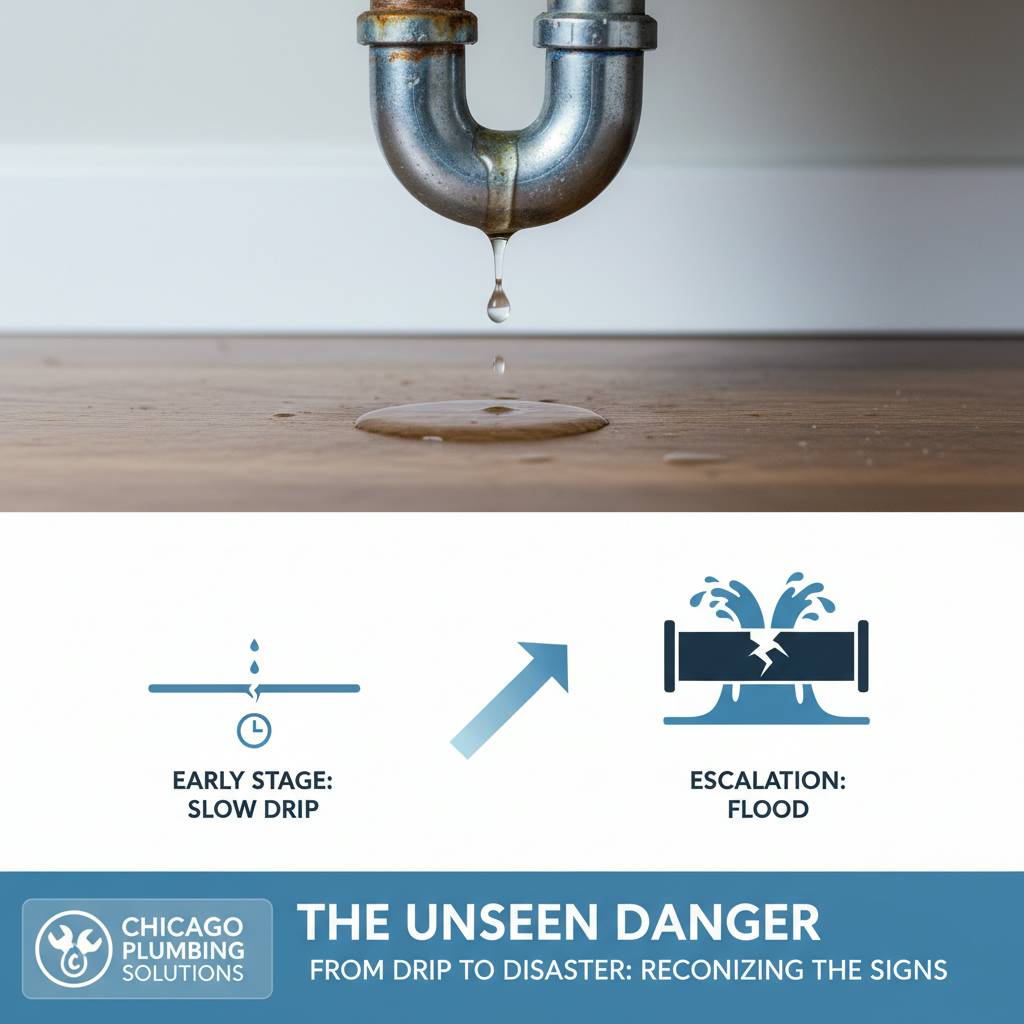 Knowing how to spot early warning signs is critical so you can act before minor water exposure becomes structural damage. Look for changes in staining size, new or spreading discoloration, bulging paint or wallpaper, soft or sagging ceilings and floors, and the appearance of musty odors. These symptoms often indicate that moisture has moved beyond a superficial area and into insulation, framing, or finishes where repair will be more extensive.
Early warning signs and red flags
- Growing or multiple water stains on ceilings or walls
- Peeling paint, flaking plaster, bubbled wallpaper
- Warped or spongy floors near plumbing fixtures
- Black or green mold spots, particularly in hidden areas
- Rust or mineral deposits around valves and fittings
- Increased water bills without a clear cause
Any of the red flags above suggest the leak is doing more than surface damage. For example, a spot on the ceiling that expands after heavy rain or stays wet even when conditions are dry indicates active penetration that could lead to structural weakening. If electrical components are nearby or the leak is on an upper floor directly above living spaces, the safe timeline to leave it unrepaired shortens dramatically-often to hours or days rather than weeks.
Monitoring, temporary measures, and documenting the problem
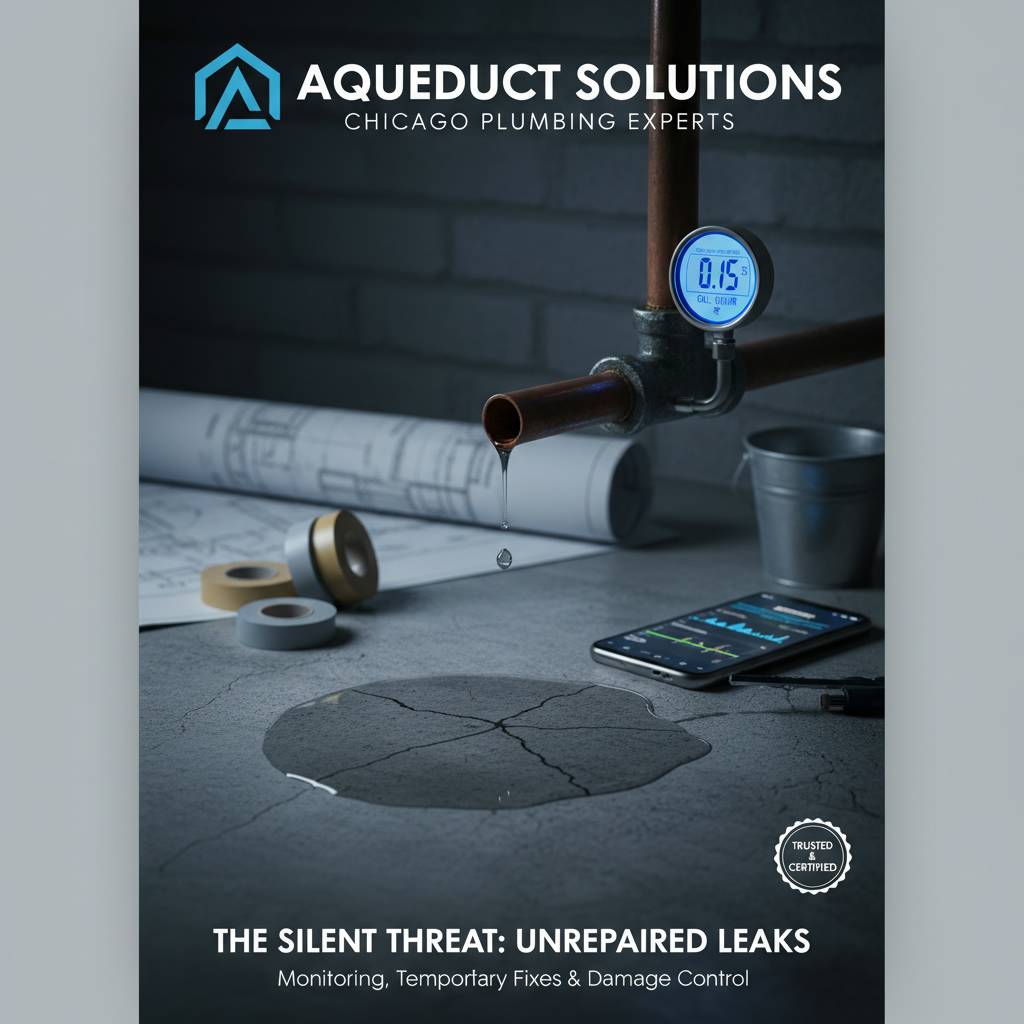 When immediate professional repair isn't possible, responsible monitoring and temporary measures reduce risk and provide critical information for technicians. Start by containing active drips with a bucket and placing towels to protect floors. Lower the water pressure to affected areas if you can do so safely at a shutoff valve. For leaks tied to appliances, turn off water at the appliance supply or the main valve when the appliance isn't in use.
Documenting the leak helps both you and any contractor who arrives later. Take time-stamped photos or short videos of the leak when active, noting the frequency and any correlation to household activities. Keep a simple log: when the leak was observed, what triggered it (if anything), and whether it changed after weather events. This information speeds diagnosis and prevents unnecessary exploratory work that adds cost and time.
Temporary patches such as leak tape, pipe clamps, or epoxy putty can be effective short-term measures for certain exposed piping problems, but they are not long-term fixes. Use these as stopgaps to reduce flow until a professional repair can be scheduled. Avoid permanent reliance on these solutions; compromised materials often hide additional deterioration beneath a makeshift patch.
When to call a professional, what to expect, and how Chicago Pipe Essentials helps
 Call a professional immediately if the leak is near electrical fixtures, affects load-bearing structures, or produces standing water that threatens floors and contents. If you notice rapid growth in stains, sagging ceilings, or persistent moisture that your temporary measures cannot control, prioritize an urgent inspection. For ambiguous situations-where the leak is slow but in a concealed location-arrange a diagnostic visit so the problem can be assessed before hidden damage becomes extensive.
When Chicago Pipe Essentials responds, expect a structured approach: visual inspection, moisture meter readings, targeted access if necessary, and a clear report of findings with recommended timelines for repair. We will explain the risks of waiting in plain language and provide cost estimates for minimally invasive fixes versus full remedial work. Our goal is to give you practical choices, not pressure, so you can balance budget, risk tolerance, and long-term outcomes.
Common professional interventions include targeted pipe replacement, valve and fitting repair, roof flashing replacement, regrouting or waterproofing shower assemblies, and remediation for mold or rot when present. In many cases we can provide temporary containment and a prioritized schedule that prevents sudden failure while the homeowner arranges funds or insurance approvals. If you want a thorough assessment and a realistic timeline tailored to your situation, call Chicago Pipe Essentials at 312-555-4821.
Practical prevention and long-term strategies
 Preventive maintenance reduces the chances that a small leak will develop into a catastrophic event. Regularly inspect visible plumbing under sinks, around water heaters, and behind appliances. Replace supply lines and old flexible connectors every 510 years, and keep gutters and roof flashings clear to prevent water from pooling and working its way into vulnerable seams. These actions are far less costly than repairing structural damage.
Consider investing in automatic shutoff devices for appliances and smart water sensors in basements, under sinks, and near appliances. These tools can dramatically shorten the time between leak onset and detection, often catching problems while they are still small. For homes with older plumbing or known vulnerabilities, an annual inspection from a reputable contractor like Chicago Pipe Essentials will identify risk areas and provide a prioritized plan for repairs and upgrades.
Finally, maintain documentation: keep records of past leaks, repairs, and material replacements. When you sell the home, this history demonstrates responsible stewardship and can reduce liability. Proactive, informed steps make it far less likely that you'll ever need to address the question, how long can a small leak go unrepaired before flooding? in a moment of crisis.
FAQs and quick-reference guidance
What should I do if I see a single small drip but everything else looks normal? Start with containment and monitoring: place a catch basin, photograph the issue, and check for patterns tied to appliance use. Schedule a diagnostic inspection within a week if the drip is constant or correlated with daily household activities.

How fast can a ceiling collapse happen from a small leak? A ceiling can weaken significantly over days to weeks if moisture saturates insulation and drywall. If a ceiling feels soft or bulges, evacuate the immediate area and get a professional out the same day. Ceiling collapse puts people and possessions at risk and often indicates advanced deterioration.
Are temporary fixes like tape or sealant acceptable? They can be a responsible short-term measure when used correctly, but they should never replace a professional repair. Temporary fixes buy time while you arrange a permanent solution; relying on them indefinitely increases the chance of hidden, costly damage.
Next steps and contact information
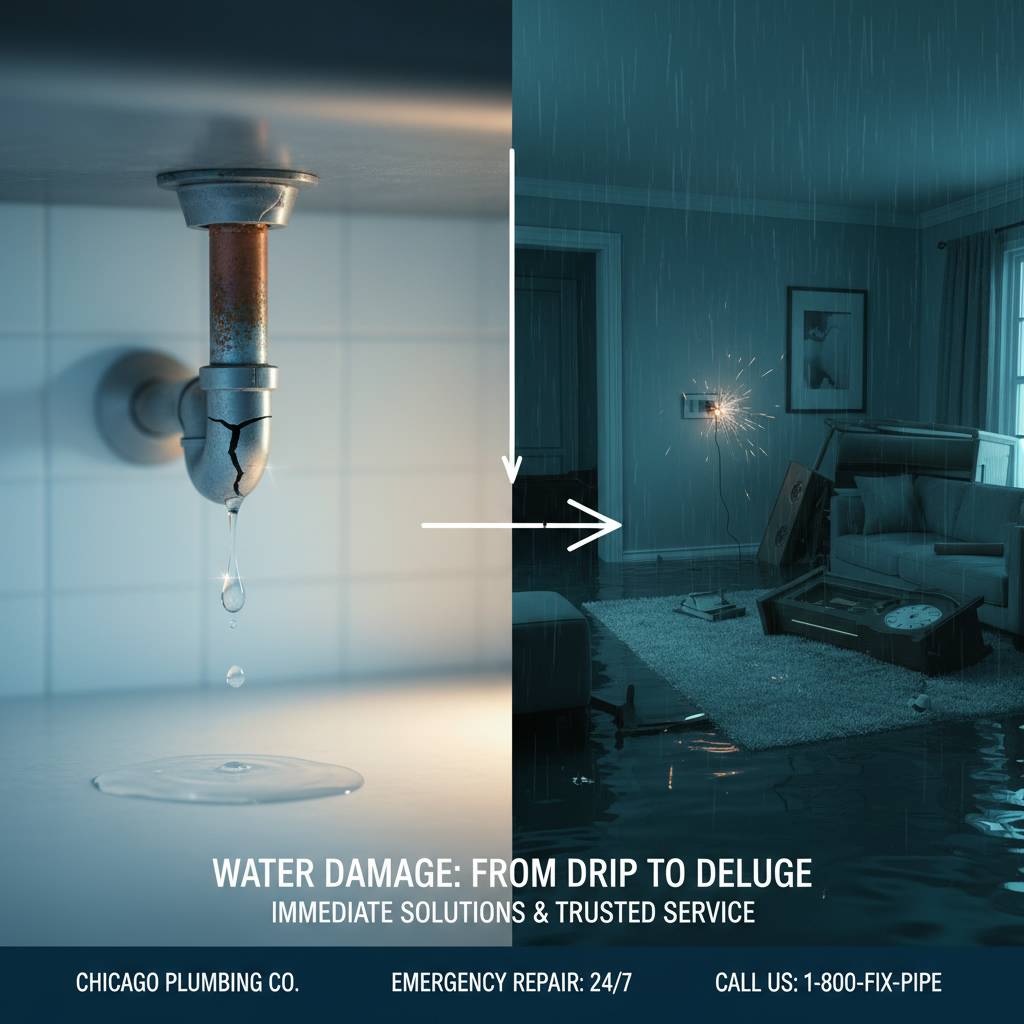 If you're trying to decide whether a small leak in your home can wait, document it now and err on the side of scheduling a professional inspection. A quick assessment clarifies how long a small leak can go unrepaired before flooding in your specific situation and often reveals simple solutions that prevent major disruption. For a reliable, experienced inspection and clear, prioritized repair options, contact Chicago Pipe Essentials.
To arrange an inspection or get immediate advice, call us at 312-555-4821. Our technicians can often provide on-the-spot containment and an honest estimate of repair urgency so you can plan responsibly. If your household calls us CPE by habit, rest assured the service is the same: practical, protective, and centered on preventing unexpected flooding and major loss.
Call to action: If you notice any signs of escalation-spreading stains, sagging ceilings, or new odors-don't wait. Reach out to Chicago Pipe Essentials at 312-555-4821 for timely inspection and repair planning. Early action protects your home, your belongings, and your peace of mind.