How Fast To Call Emergency Plumber
Knowing how fast to call an emergency plumber can prevent disaster and reduce stress. Chicago Pipe Essentials offers guidance on timing and priority actions to protect your home. Call 312-555-4821 if you are unsure or need immediate assistance. We respond quickly to help contain risks.
Plumbing problems are one of those home emergencies that escalate fast if you hesitate. In this guide we'll walk through practical ways to recognize a true emergency, what to do the moment trouble starts, and clear timing guidance on how fast to call an emergency plumber so you protect your property, your family, and your budget. Use these tips to make calm, effective choices when every minute counts.
Chicago Pipe Essentials aims to be a practical resource rather than an alarmist one - you don't need to call in panic, but you should call at the right time. If at any point you feel unsafe, or if you see active flooding or sewage backing up into living spaces, call 312-555-4821 immediately for emergency help and instructions tailored to your situation.
Recognizing true plumbing emergencies: what to look for and why timing matters
Not every drip is an emergency, but some signs clearly are. A burst pipe sending water across a room, a sewer backup filling a basement, or a water heater leaking near electrical panels are situations where immediate action prevents structural damage, mold growth, and health hazards. Understanding the difference between "bad" and "now" helps you decide how fast to call an emergency plumber.
Certain indicators indicate immediate risk: water actively flowing uncontrolled, water around electrical outlets, strong sewage odors inside the home, or rapidly rising water levels. Even if the volume seems moderate, the location matters - water in finished rooms, near foundations, or under major appliances needs urgent attention. The faster you call, the less the damage and expense in most cases.
Emergency vs. urgent vs. routine-simple distinctions
Think in three buckets: emergency (call now), urgent (call soon, within hours), and routine (schedule during business hours). Emergencies require immediate containment and professional support. Urgent issues can wait a little while but should not be delayed past a day. Routine problems, like a slow drip or minor fixture repair, are generally safe to schedule in normal service windows.
Immediate actions to take before help arrives
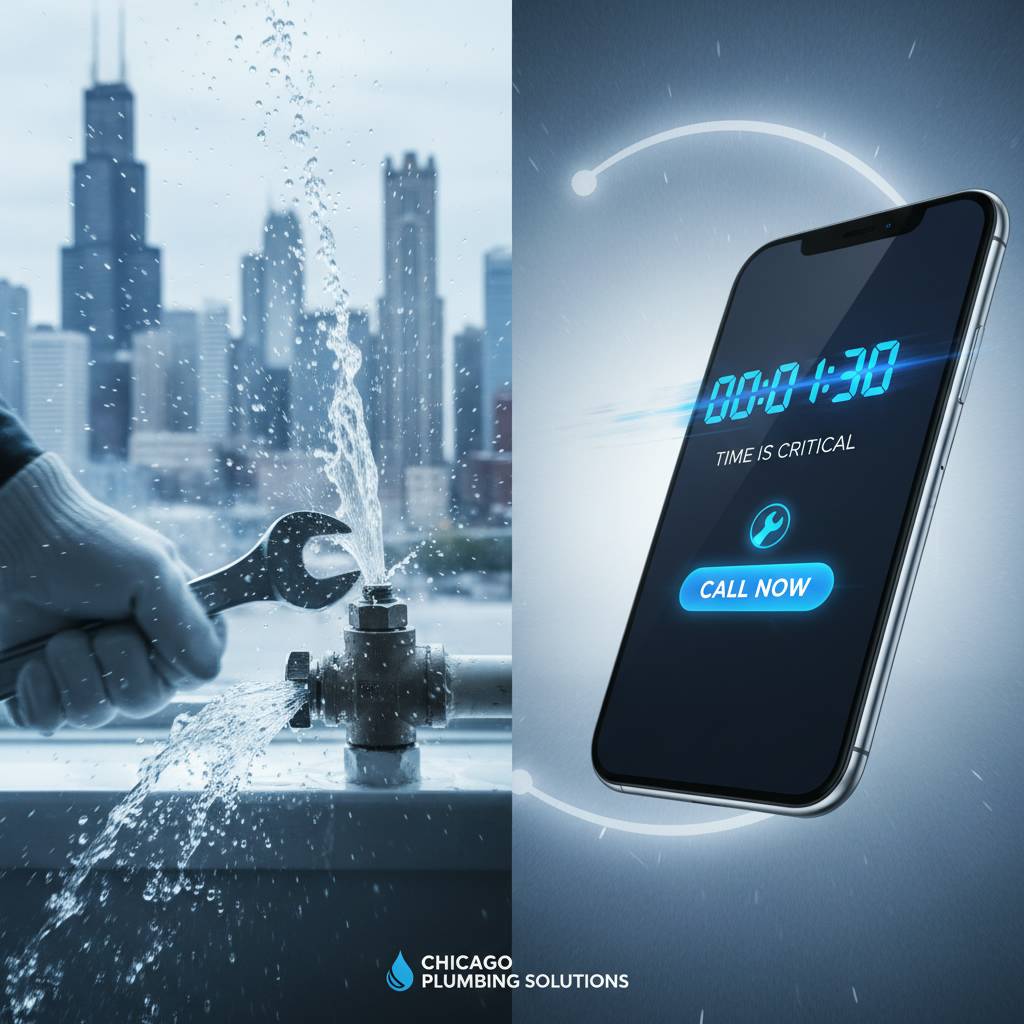 When a serious plumbing issue starts, your first actions are about safety and containment, not repairs. Shut off the water supply to the affected area or the whole house using valves you locate in advance. If you have a main shut-off valve and aren't sure how to use it, ask the emergency operator for clear instructions while you prepare for the plumber's arrival.
Other quick, effective steps include moving valuables and electronics away from wet areas, placing buckets or pans to catch leaking water, and turning off electricity if water is near outlets or the breaker box - but only if you can do so safely. Avoid wading into water that may be contaminated; sewage-tainted water is a health risk and requires professionals to handle cleanup and disinfection.
- Locate and shut off the main water valve if the leak is large or uncontrolled.
- Turn off power to affected areas if water risks contacting electrical systems (only if safe).
- Block water flow to isolated fixtures by closing individual shut-offs under sinks or behind toilets.
- Contain spreading water with towels, sandbags, or buckets; protect valuables and document damage for insurance.
- Call 312-555-4821 if you're unsure or if the problem involves sewage, gas, or immediate electrical danger.
How fast to call an emergency plumber - clear timelines by scenario
When people ask "how fast to call emergency plumber," they want a rule of thumb. The answer depends on the problem's severity and location. For actively flooding pipes, sewage backups, or any leak that threatens the structure or electrical safety of the home, call an emergency plumber immediately - within minutes. For severe leaks that are contained but large, call within an hour. Smaller, non-pressing leaks can often wait until the next available service window.
Below is a short guide to typical scenarios and recommended response times. Use it as a practical checklist when you evaluate the situation:
| Scenario | Recommended action | How fast to call |
|---|---|---|
| Burst pipe or active flooding | Shut off main water, contain, call for emergency response | Immediately (minutes) |
| Sewer backup into home | Avoid contact, shut down water to affected fixtures, call | Immediately (minutes) |
| Major leak under appliances or near electrical panels | Shut off water/electric if safe, call emergency plumber | Within minutes to an hour |
| Slow leak in ceiling or wall with staining | Monitor, schedule ASAP (next few hours to a day) | Within 24 hours |
| Minor faucet drip or running toilet | Schedule routine repair | During normal business hours |
Using these timeframes helps you decide whether to call a typical daytime plumber or engage emergency services. If in doubt, remember: early intervention often costs less and prevents bigger jobs later.
Case examples: decisions that made a difference
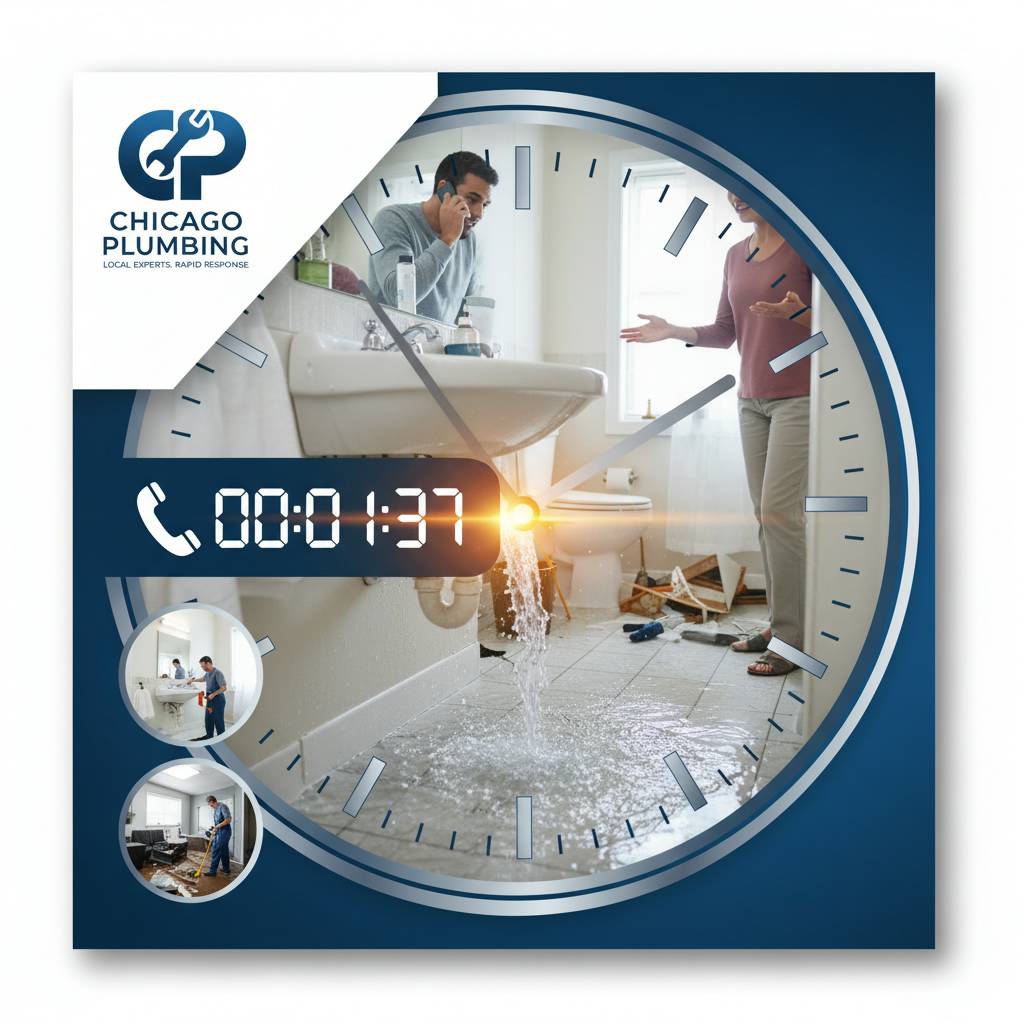 Case 1: A homeowner noticed water pooling in the basement and a steady dripping sound behind a finished wall. They shut off the main water, moved belongings, and called an emergency plumber immediately. The technician arrived within an hour, found a cracked supply line, and prevented several thousand dollars of drywall and floor damage by isolating and repairing the pipe quickly. Acting fast limited mold risk and restored the home within days.
Case 2: Another family ignored a persistent but small ceiling stain for weeks. They scheduled a routine appointment, assuming it was cosmetic. When the area finally gave way during a rainstorm, it revealed a long-running slow leak that had rotted structural wood and required extensive repairs. Calling sooner would likely have avoided the larger expense and disruption.
These examples show why the question of how fast to call an emergency plumber is important: timing affects cost, safety, and the disruption to your home life. If you are ever unsure, calling for professional advice immediately can save time and prevent escalation.
What to expect when you call an emergency plumber
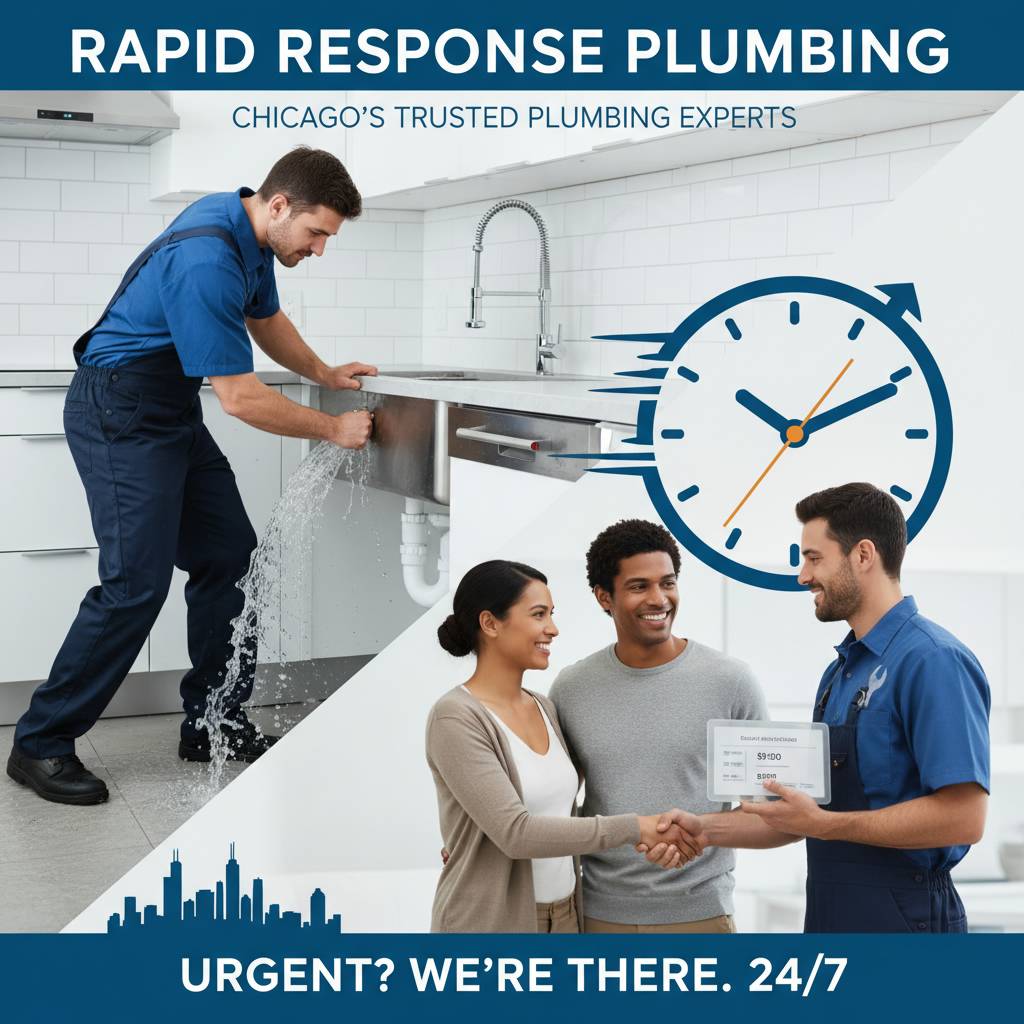 When you call an emergency plumber, expect triage over the phone: the technician will ask about visible symptoms, whether there's active flooding, and if any electrical or sewage hazards exist. That information helps dispatch the right team and tools quickly. If you call 312-555-4821, our responders will also advise immediate safety steps you can take to minimize damage while help is en route.
Emergency service typically carries higher costs than routine repairs because of after-hours staffing and faster response. However, those costs often pale compared to the price of extensive water damage or mold remediation. A reputable service will provide an upfront estimate for emergency work and explain any temporary measures versus long-term repairs so you can make informed choices.
- Prepare to describe the problem location, how long it's been happening, and any actions you've taken.
- Have your address and access details ready for faster dispatch - this speeds the response time.
- Ask about arrival time, emergency fees, and whether they will provide on-site containment before performing permanent repairs.
- If you have home insurance, document damage with photos and ask how emergency work may affect claims.
Practical prevention: reduce the chances you'll need an emergency call
 Preventive maintenance is the best way to avoid having to decide how fast to call an emergency plumber under pressure. Seasonal checks, like flushing your water heater, inspecting visible pipes for corrosion or sweating, and testing shut-off valves, significantly reduce the risk of sudden failures. For older homes, consider having a professional perform an annual plumbing inspection to identify vulnerabilities before they turn into emergencies.
Simple homeowner habits help too: avoid putting grease or fibrous materials down drains, insulate pipes in cold climates to prevent freezing, and know where your main shut-off and individual valve locations are. Labeling valves and practicing a shut-off drill with household members gives you a leg up in a real emergency - you'll act faster and with less stress when things go wrong.
- Schedule regular plumbing inspections, especially if your system is older.
- Insulate exposed pipes in unheated areas to prevent freeze bursts.
- Maintain water heater and sump pump systems to ensure reliable operation.
- Keep direct contact info for your emergency plumber, like 312-555-4821, in a visible place.
Frequently asked questions about emergency plumbing response
Q: How fast should I call an emergency plumber for a burst pipe?
A: Call immediately - within minutes. A burst pipe can flood parts of your home in a very short time. Shut off the main water, cut power to affected areas if safe, and call emergency help right away. Prompt response prevents extensive water damage and mold growth.
Q: Is a sewer backup an emergency?
A: Yes. Sewage in living areas is a health hazard and requires urgent professional attention. Avoid contact with the contaminated water, shut off affected fixtures, and call an emergency plumber for containment and cleanup guidance.
Q: What if I smell sewer gas or strong chemical odors?
A: If the odor is strong or accompanied by dizziness or headaches, ventilate the area if you can and call emergency services. Plumbers or utility services can identify whether it's a sewer vent issue, a broken trap, or another problem that needs immediate attention.
Q: Can I wait until morning for a leaking water heater?
A: It depends on the leak size and location. If the leak is minor and controlled, you may be able to schedule a non-emergency visit. If it's leaking near electrical components or causing floor or ceiling damage, contact an emergency plumber promptly. When in doubt, call now for advice.
Final thoughts and quick actions
Knowing how fast to call an emergency plumber is largely about recognizing risk and taking decisive, safe action. Quick calls often mean simpler repairs, lower costs, and less disruption. Keep a plan, know how to shut off your water, and store the emergency number where everyone can find it. If you have any hesitation about whether a problem is urgent, it's better to call and get immediate guidance than to wait and face bigger damage later.
If you need help right now or want professional advice about a developing issue, contact Chicago Pipe Essentials. Our team is ready to listen, guide you through safe immediate steps, and dispatch emergency assistance if necessary. Call 312-555-4821 for prompt support and clear next steps.
Call to action: If you're facing active flooding, sewage backup, or any plumbing condition that risks property or safety, call 312-555-4821 now. Quick action protects your home and peace of mind.
Thank you for taking the time to learn how to evaluate emergencies and act with confidence. Chicago Pipe Essentials is here when you need us - call 312-555-4821 for immediate assistance or to schedule a preventative inspection.