Emergency Vs Scheduled Plumbing Repairs Differences
Chicago Pipe Essentials explains the practical differences between emergency and scheduled plumbing repairs
Understanding the practical differences between emergency and scheduled plumbing repairs helps homeowners make smart decisions when something goes wrong. This guide from Chicago Pipe Essentials walks through urgency, cost implications, and how temporary fixes can bridge the gap to planned work. Whether you face a burst pipe at midnight or a slow-draining shower you can live with for a few days, knowing which service to request saves time, money, and stress.
We'll use clear examples and actionable guidance so you can quickly evaluate a problem at your home. The phrase "emergency vs scheduled plumbing repairs differences" is central to this discussion because the choice you make determines the response time, the scope of work, and the price. If you need immediate containment or want to schedule a non-urgent appointment, call 312-555-4821 and our team will advise the best next step.
Defining emergency vs scheduled plumbing repairs
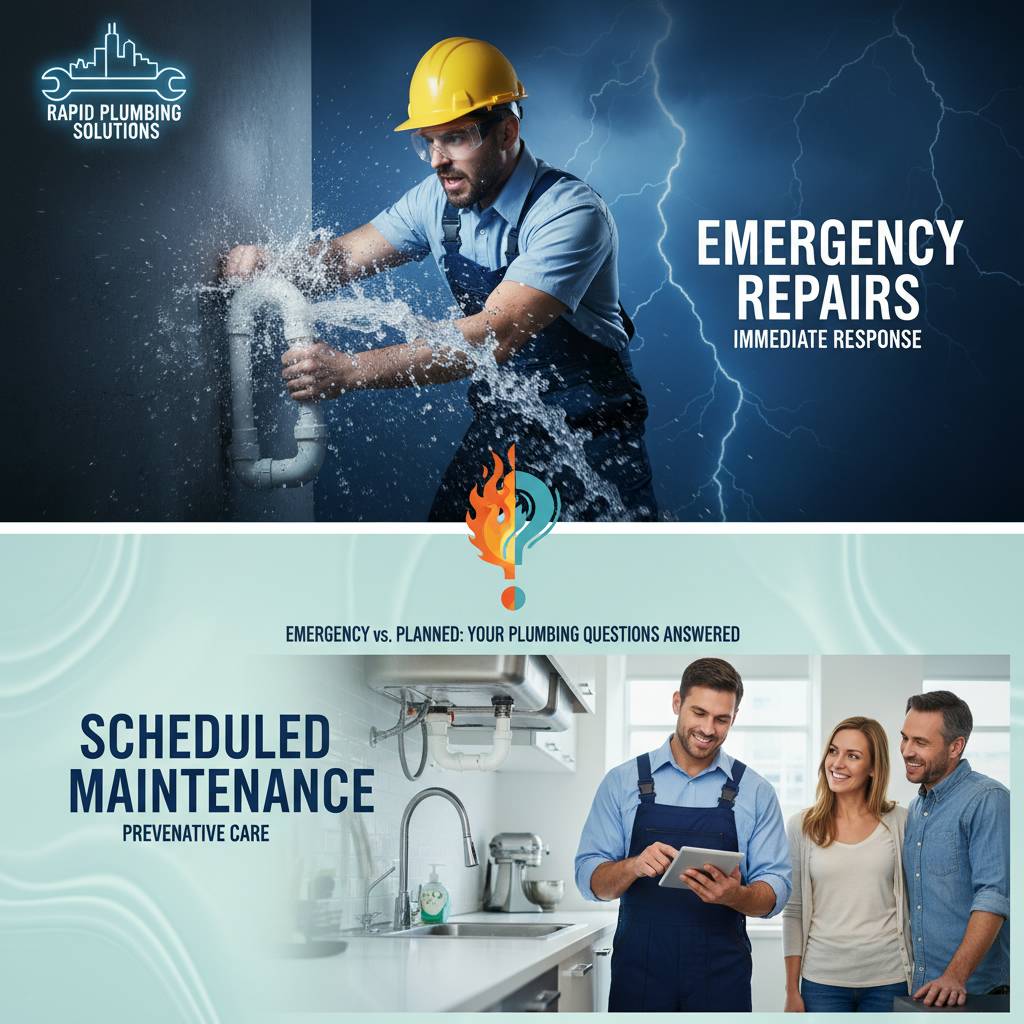
An emergency plumbing repair is any leak, blockage, or failure that threatens property damage, health, or safety and cannot wait until regular business hours. Common emergencies include major leaks, sewer backups, gas-line issues, or loss of potable water. These situations require fast containment and often temporary measures before a full repair can be completed. The goal is to stop damage and restore essential function immediately.
Scheduled repairs are planned services performed at a mutually convenient time when there is no immediate risk of widespread damage. Examples include replacing fixtures, repairing minor faucets, performing routine drain cleaning, or doing upgrades such as water heater replacement. Scheduled work allows for a full diagnostic, parts ordering, and a deliberate repair strategy aimed at longevity rather than immediate triage.
Understanding this distinction helps you prioritize: emergencies need immediate containment and may use temporary fixes, whereas scheduled repairs can be optimized for cost and permanence. Below you'll find concrete signs that indicate urgency and practical steps you can take right away to protect your home.
Recognizing urgency: when to call immediately
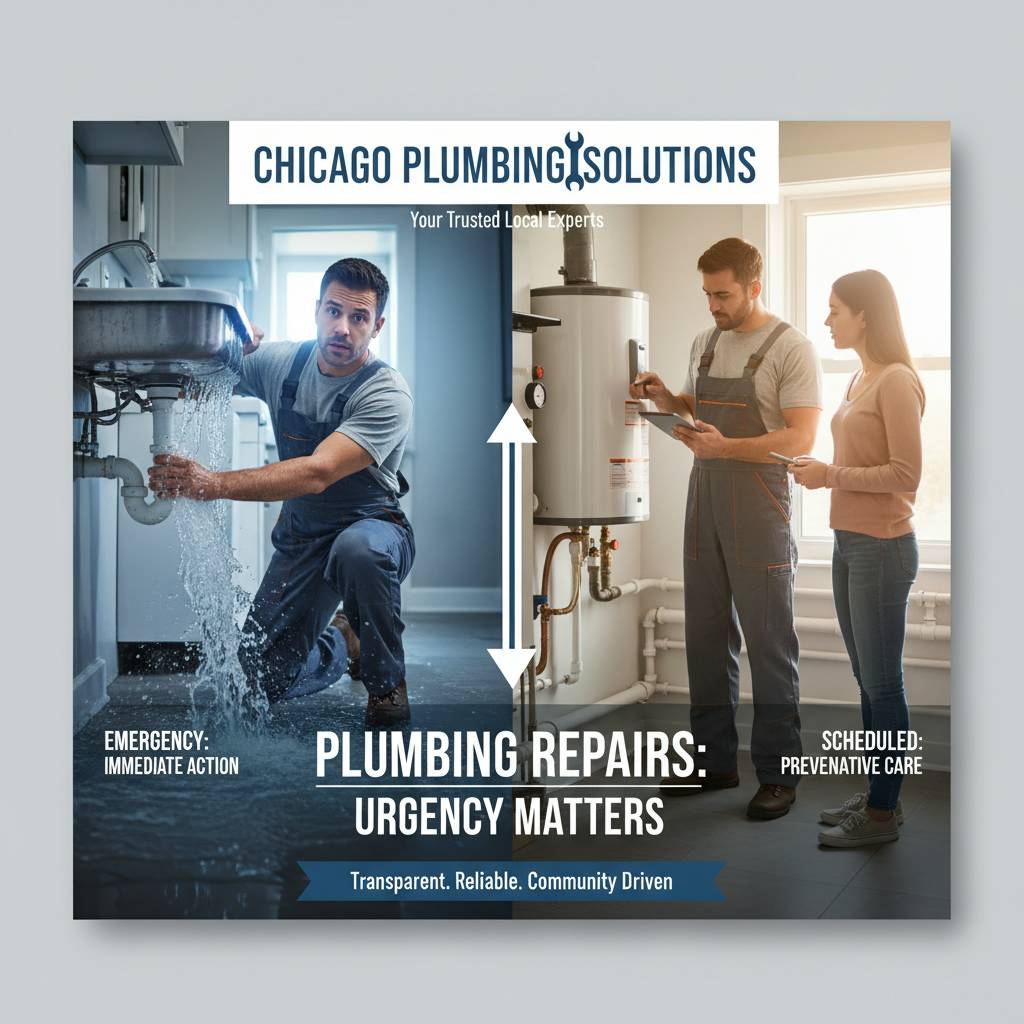 Not every leak or clog requires an emergency call. Still, certain signs clearly indicate you should seek help right away. Look for rapid water accumulation, drywall or ceiling collapse, visible sewage, strong sewage odors, or any plumbing condition that presents a health hazard. If you suspect a gas leak - even faintly - evacuate and call emergency services before contacting a plumber.
- Large, steady leaks that soak floors or ceilings
- Sewage backups in toilets, tubs, or floor drains
- Loss of water pressure after a pipe burst or visible water streaming from a pipe
- Flooding from appliance failures (water heater, washing machine) or severe pipe damage
- Gas smell or suspected natural gas line damage
When an emergency occurs, your immediate actions should focus on safety and containment: shut off the main water valve if you can do so safely, move valuables out of harm's way, and isolate power if water threatens electrical systems. After safe containment, call a licensed professional who can provide emergency triage and prevent further loss.
Cost implications: emergency rates versus planned repairs
One of the key differences between emergency vs scheduled plumbing repairs is cost structure. Emergency calls typically carry higher rates because they require rapid response outside normal working hours, prioritized dispatch, and sometimes overtime labor. Parts may be sourced quickly, and temporary measures may be applied to stabilize a situation - all of which can increase the initial invoice compared with a planned repair.
Scheduled repairs, by contrast, allow the plumber to diagnose the problem thoroughly, order parts at normal cost, and complete work during standard hours - lowering labor premiums and giving you time to compare quotes. In many cases, planned repairs can be bundled with other maintenance to reduce overall cost per visit and extend the useful life of your system.
| Factor | Emergency | Scheduled |
|---|---|---|
| Response time | Immediate or within hours | Days to weeks, by appointment |
| Labor rates | Higher (after-hours/priority pay) | Standard hourly rates |
| Scope | Triage and temporary containment | Complete, long-term repair |
| Parts sourcing | Rapid purchase, sometimes premium cost | Planned ordering, cost-optimized |
| Risk of rework | Moderate to high if only temporary fixes used | Low if properly diagnosed and executed |
Choosing emergency service when one is not necessary can add avoidable costs. Conversely, delaying an emergency can lead to far greater expense from water damage or mold remediation. A good rule is to assess immediate risk: if belongings, structural elements, or health are at stake, the premium for emergency service is often justified.
Temporary fixes that bridge to scheduled work
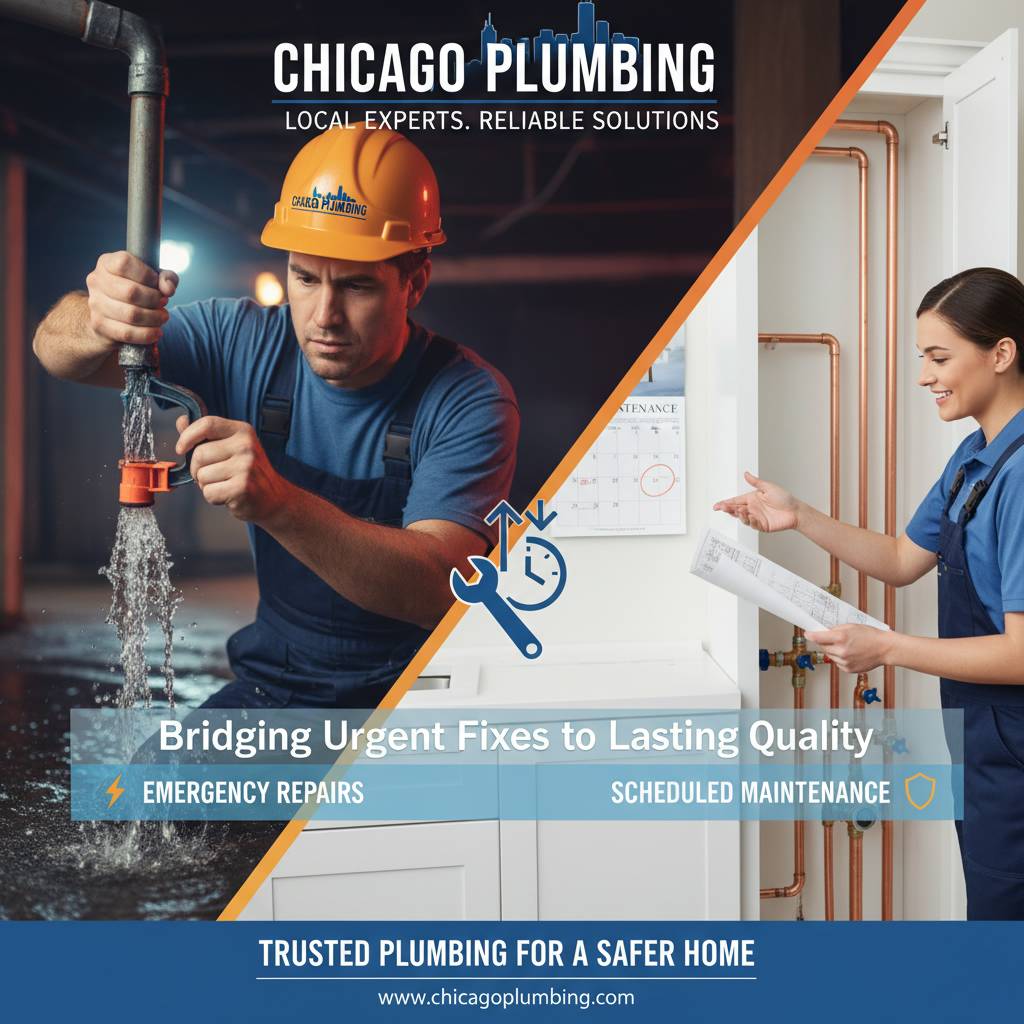 Temporary fixes are invaluable when the priority is to stop damage and buy time for a thoughtful repair. Emergency technicians focus on containment: isolating shutoffs, applying clamps or epoxy patches to slow leaks, and installing temporary diversion lines for major breaks. These measures protect your home immediately and allow you to plan for a comprehensive, scheduled repair when convenient.
- Shutoff and isolation: Locate and close the appropriate valve to stop the main leak or shut off water to the damaged appliance.
- Clamp and patch: Use hose clamps, rubber patches, or epoxy wraps to slow or stop leaks until parts arrive.
- Temporary rerouting: Install a bypass line or reconfigure flow so fixtures can remain usable while the damaged section is repaired later.
- Drying and mitigation: Set up fans or extractors to reduce moisture and prevent mold while waiting for a scheduled visit.
Remember that temporary repairs are not meant to be permanent. They protect your property and provide breathing room to obtain accurate estimates, compare options, and schedule a detailed job that will last. When an emergency technician from Chicago Pipe Essentials performs a temporary fix, they'll clearly outline what remains to be completed and recommend a timeline for the scheduled repair.
How to choose the right service and schedule repairs
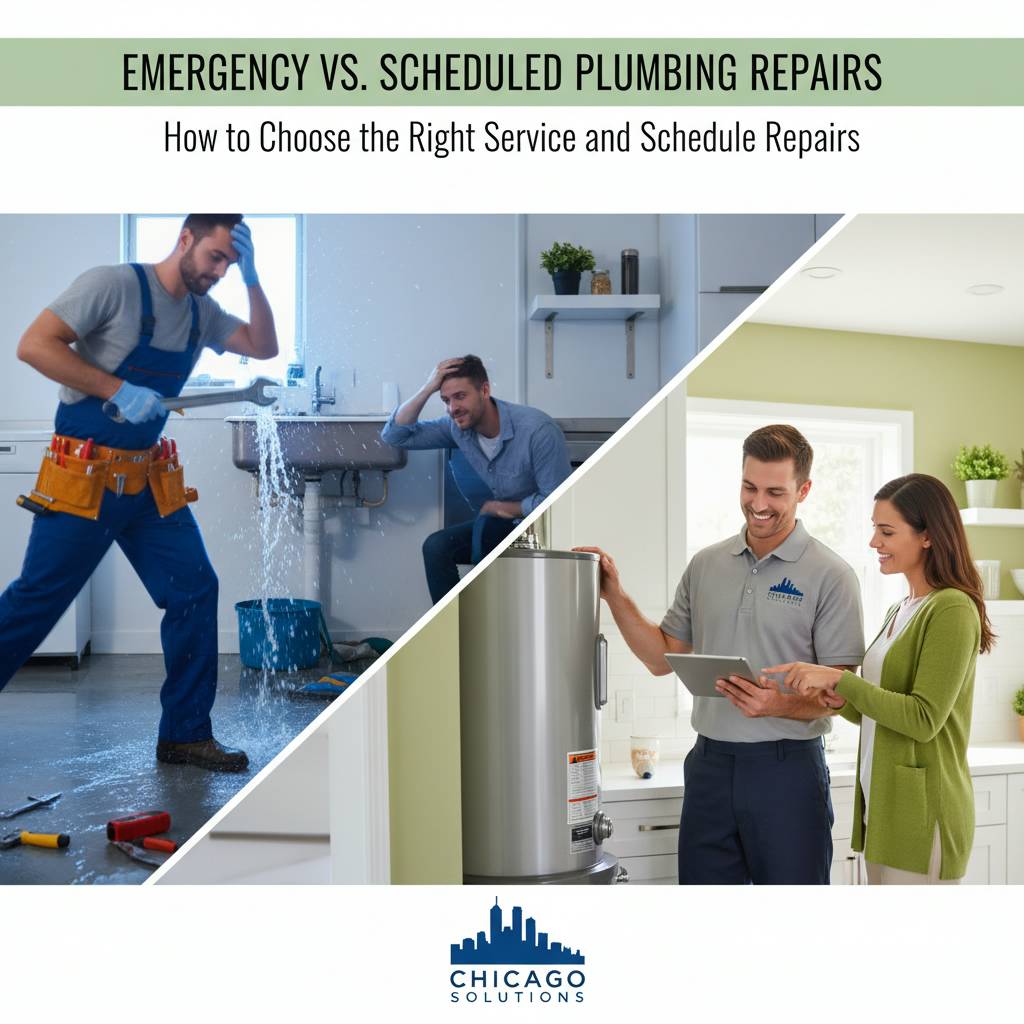 Start by assessing immediate risk: is there ongoing water flow, sewage exposure, or an active safety hazard? If yes, request emergency service. If the issue is inconvenient but contained - such as a slow leak, noisy pipes, or dripping faucet - schedule during normal hours to reduce cost and get a comprehensive fix. Contacting a reputable company early in the decision process helps you avoid misclassification; many providers can triage by phone and recommend the appropriate response.
Chicago Pipe Essentials uses a simple triage process: quick phone assessment, recommended immediate actions you can take, and dispatching emergency crews when necessary. For scheduled work, we provide clear timelines, written estimates, and part sourcing - all designed to minimize surprises. If you prefer, request a video consultation or photos before the technician arrives to help the team prepare the right tools and parts.
When requesting service, be prepared to describe symptoms, location, and how quickly conditions worsened. If you have maintenance records or previous work orders, share them - they often shorten diagnosis time. If cost is a major concern, discuss financing or phased repair options with your provider so you can protect your home without undue financial strain.
Frequently asked questions about emergency vs scheduled plumbing repairs differences
How fast will an emergency plumber arrive?
Response times vary by company and time of day, but emergency plumbers aim to arrive within a few hours for high-priority incidents. Chicago Pipe Essentials typically offers rapid dispatch for life-safety or severe water-damage situations and provides arrival windows so you know when help is coming. After arrival, technicians focus first on containment, then on a repair plan.
Can temporary fixes become permanent?
Temporary fixes are designed to be safe short-term solutions; they are not replacements for a full repair. Over time, patched materials can fail under pressure, temperature changes, or corrosion. We recommend scheduling a permanent repair as soon as practical after any temporary measure is applied to ensure reliability and prevent future failures.
Will insurance cover emergency repairs?
Insurance coverage depends on your policy and the cause of the damage. Sudden, accidental events are more likely to be covered than gradual wear and tear. Document the damage with photos, keep receipts for emergency measures, and consult your insurer promptly. Our team can provide documentation and itemized invoices to support claims when needed.
How can I prevent emergencies?
Regular maintenance is the best prevention: annual inspections, timely replacement of aging water heaters and hoses, and routine drain cleaning reduce the likelihood of sudden failures. Pay attention to early warning signs such as pooling water, reduced drainage, or fluctuating water pressure and address them through scheduled service before they escalate into an emergency.
Conclusion and next steps
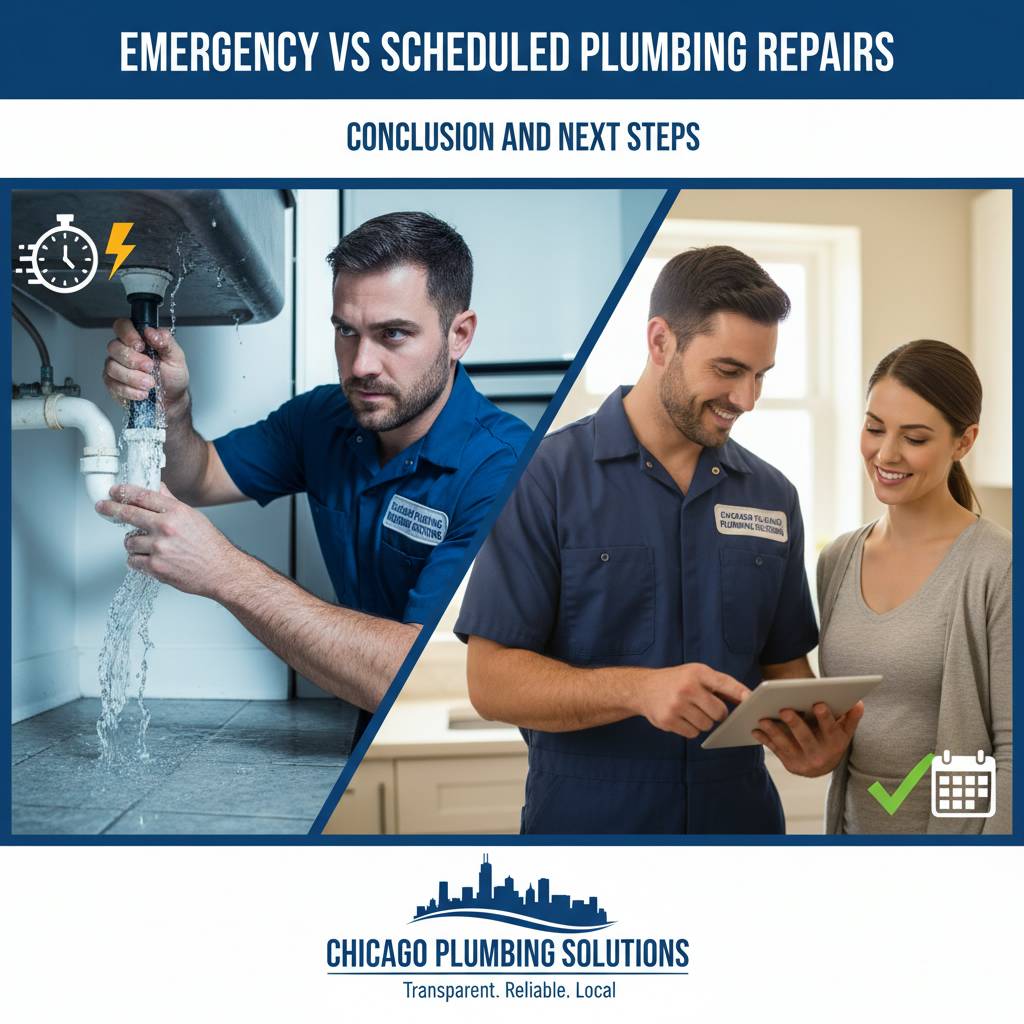 Deciding between emergency vs scheduled plumbing repairs comes down to immediacy and risk. Emergencies demand quick containment to protect safety and property, and they may carry higher initial costs because of the speed and labor required. Scheduled repairs let you plan, save on labor premiums, and ensure long-lasting solutions. Use temporary fixes to bridge urgent gaps and then follow up with a planned repair for durability.
If you're unsure which path to take, call Chicago Pipe Essentials at 312-555-4821 for an honest assessment. We'll help you weigh convenience, safety, and cost so you can decide with confidence. For urgent containment or to set an appointment for non-urgent work, reach out now and let our experienced team guide the next steps.
For immediate assistance or to book a scheduled visit, contact Chicago Pipe Essentials at 312-555-4821. We look forward to helping you protect your home efficiently and affordably.