Emergency Plumbing Repair Chicago Risks
We help Chicago homeowners understand risks of emergency plumbing repair. Trust Chicago Pipe Essentials for fast clear guidance and proven mitigation steps. Call 312-555-4821 to connect with our emergency team for immediate assessment. Our goal is to prevent further damage and costly repairs.
When a plumbing crisis hits-burst pipes, overflowing fixtures, or a sudden sewer backup-it feels urgent and confusing. Chicago Pipe Essentials provides straightforward, professional guidance so homeowners in Chicago can make rapid, safe decisions that limit water damage, protect health, and preserve insurance coverage. Our goal is to be a calm, helpful presence from the first phone call through permanent repair.
If you need immediate advice or an on-site assessment, call our emergency team at 312-555-4821. We prioritize clear communication, practical mitigation steps you can take right away, and transparent options for repair and restoration. That immediate clarity reduces the chance of unnecessary damage and helps you avoid the long-term consequences of delayed response.
Common emergency plumbing scenarios in Chicago
Chicago homes face a range of plumbing emergencies, and understanding the typical scenarios helps you act quickly and effectively. Winter freeze-thaw cycles, aging infrastructure, clogged city sewer lines, and unexpected mechanical failures in water heaters or sump pumps are frequent triggers. Recognizing the type of problem early makes it easier to shut off the right valves and limit damage until professionals arrive.
Some common emergencies we respond to include:
- Burst supply lines or frozen pipes that split under pressure - these often cause rapid, high-volume flooding in homes and basements.
- Sewer backups and clogged drains that push contaminated water into fixtures or lower-level living spaces.
- Water heater failures that leak or rupture, sometimes after weeks of slow leaks that go unnoticed until a large loss occurs.
- Sump pump failures during heavy rain or rapid thaw, leading to basement inundation and foundation risk.
- Gas line or plumbing system valve failures that create safety hazards requiring immediate isolation and professional intervention.
Each of these situations has unique health, structural, and financial implications in Chicago's climate and built environment. Early recognition and appropriate temporary measures reduce those implications considerably.
Risks of delayed or improper emergency repair
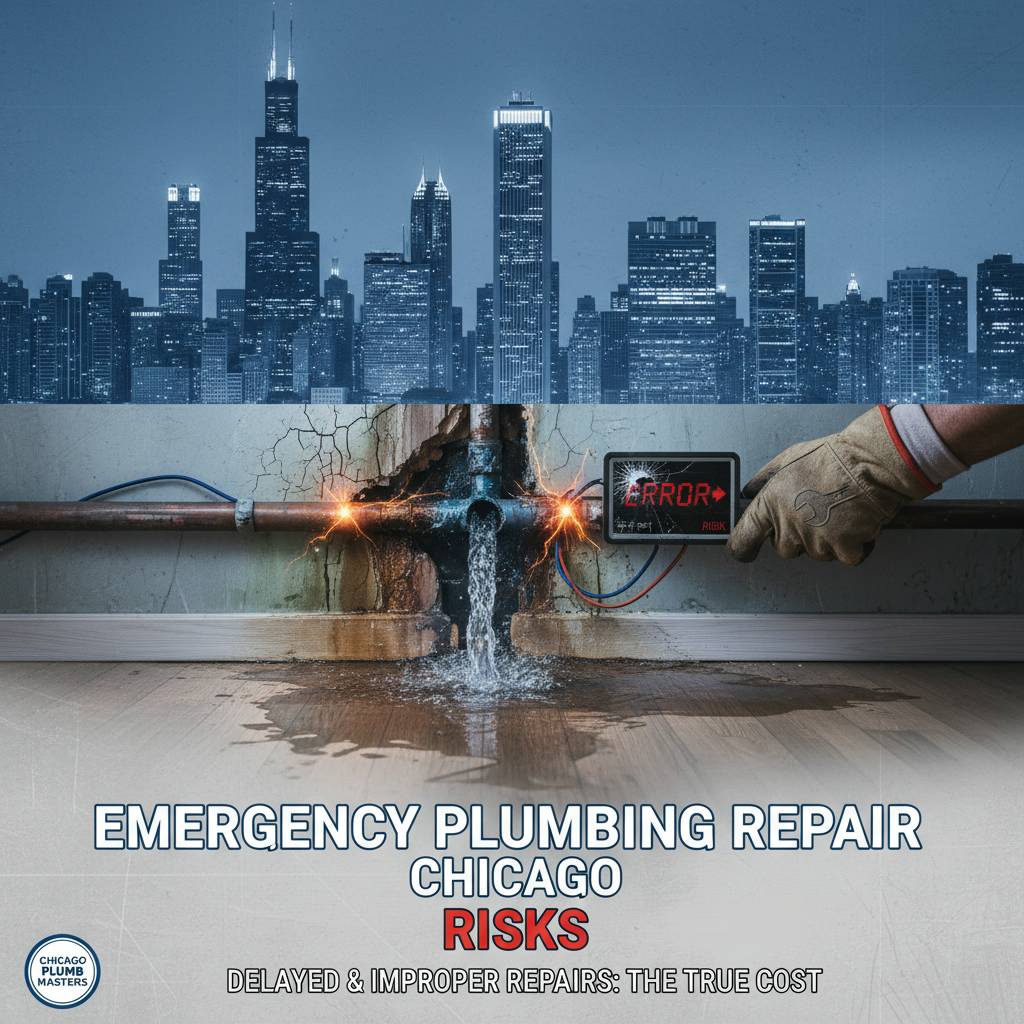 Delaying an emergency plumbing response or attempting inadequate repairs increases the likelihood of extensive and costly damage. Standing water soaks building materials, causing framing, drywall, and flooring to deteriorate quickly. Moisture that isn't addressed within 2448 hours often leads to mold growth, which requires specialized remediation to remove and can compromise indoor air quality and occupant health.
Beyond mold and structural harm, there are several other risks to consider when emergency plumbing repair is postponed or handled improperly. Electrical systems exposed to water can short and create fire hazards. Sewer backups introduce biohazardous contaminants that present immediate health risks and can complicate insurance claims if proper mitigation steps aren't documented and performed. Additionally, unlicensed or temporary fixes may void warranties or violate local permit requirements, creating legal and financial exposure down the road.
It's also important to be aware of the specific emergency plumbing repair Chicago risks related to climate and infrastructure. Freezing temperatures and rapid temperature swings increase the chance of pipe bursts, while aging municipal sewer lines can contribute to backflow events during heavy storms. Recognizing these local factors helps both homeowners and responders prioritize mitigation that prevents greater loss.
What to expect from a professional emergency service
A qualified emergency plumbing response follows a consistent, logical process designed to stop damage, protect occupants, and create a path to permanent repair. First responders will focus on safety-isolating gas and electrical hazards, shutting off the water supply, and removing standing water where safe to do so. Next comes a quick but thorough assessment to identify the source, estimate the extent of damage, and recommend immediate containment or temporary repairs to limit further harm.
Transparent communication is central to an effective service. Expect clear explanation of the issue, a prioritized list of recommended actions, and an estimate for emergency containment and permanent repair. Proper documentation-photos, written findings, and timelines-supports insurance claims and helps you understand the trade-offs between quick fixes and full-system replacement.
| Service Element | Why it Matters |
|---|---|
| Immediate shutoff and containment | Stops ongoing damage and reduces water saturation in structural materials. |
| Temporary repairs and stabilization | Buys time safely until permanent parts or permits are arranged for full repair. |
| Documentation and photos | Essential for insurance claims and for planning restoration work accurately. |
| Follow-up plan | Defines necessary repairs, timelines, and cost estimates so homeowners can make informed decisions. |
Reputable emergency plumbers in Chicago will explain any required permits or specialized trades (electricians, structural engineers, or mold remediators) and coordinate those services when needed. That coordination reduces delays, avoids repeated disruptions, and strengthens your position with insurers.
Immediate mitigation steps homeowners can take
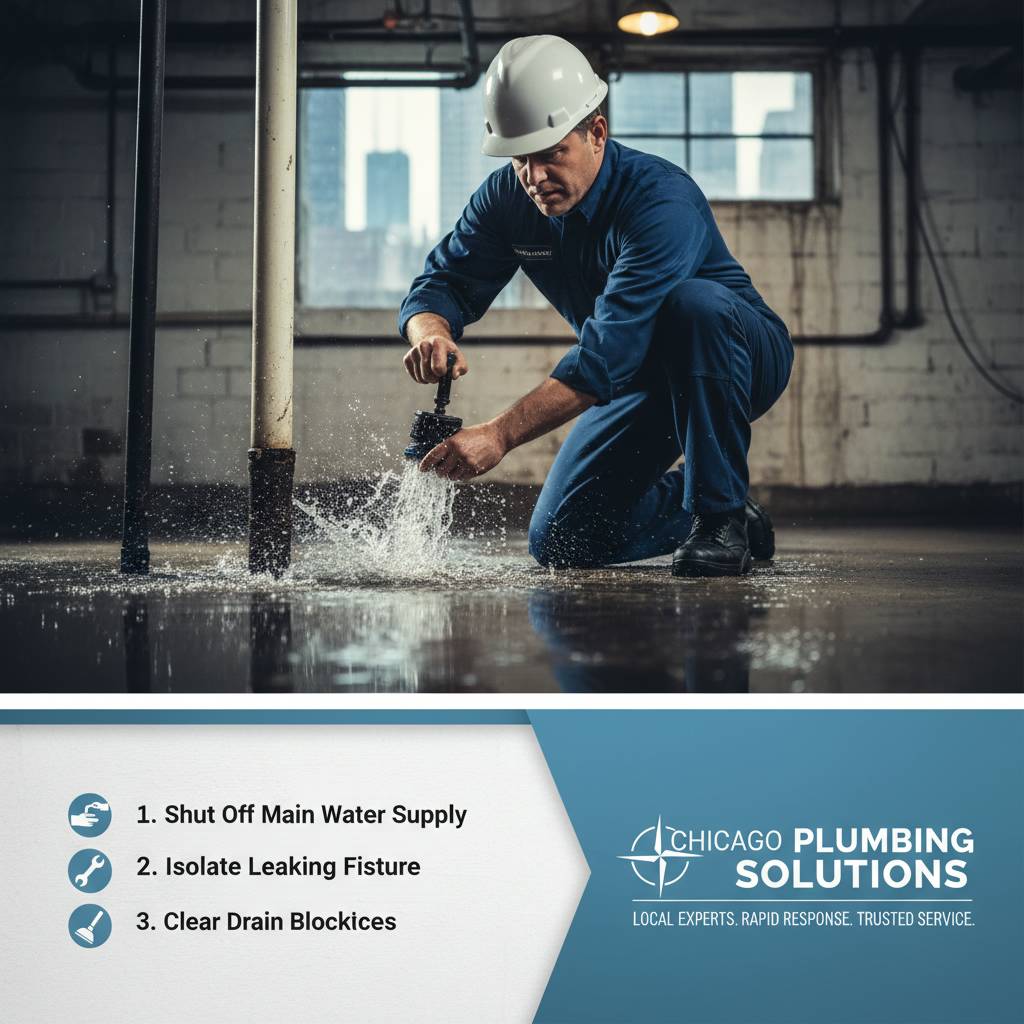 While waiting for a professional, informed actions by homeowners can greatly reduce loss and risk. The first priority is personal safety: avoid standing water if electrical circuits may be energized, and keep children and pets away from contaminated areas. If you smell natural gas, evacuate immediately and call the gas company before attempting other actions.
Practical mitigation steps include:
- Shut off the main water supply valve to stop incoming water. Know your home's valve location in advance-commonly at the basement or utility entry point.
- Turn off electricity to flooded areas at the breaker panel if it's safe to do so and there is any doubt about wet electrical components.
- Contain and divert water where possible using sandbags, buckets, or tarps to protect valuables and keep water away from finished surfaces.
- Remove or elevate furniture, electronics, and important documents to prevent irreversible damage.
- Avoid using household vacuums on standing water and do not run HVAC systems that could circulate contaminated air.
Document everything with photos and notes-time-stamped images of affected areas and any actions you take will be valuable for claims and repair planning. When you call an emergency plumber, describe exactly what you've done so the technician arrives with the appropriate equipment and parts.
Preventive measures and regular maintenance that reduce emergencies
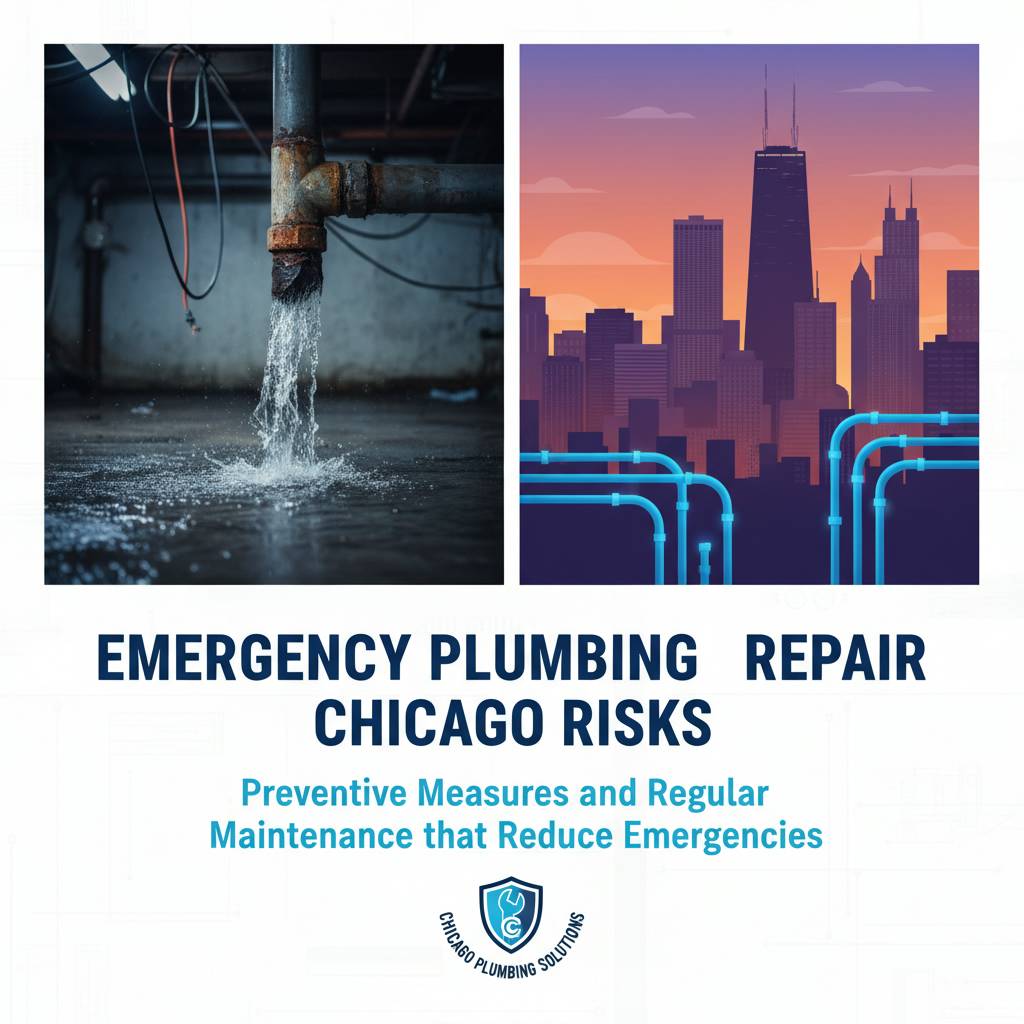 Mitigation is not only about reacting well to a crisis; it's about preventing them. A proactive maintenance routine reduces the frequency and severity of emergency events. For Chicago homeowners, prioritize winterization of exterior faucets and pipes, regular inspection of exposed plumbing, and timely replacement of aging water heaters and sump pumps well before the end of their expected service life.
Recommended routine actions include:
- Annual inspection of water heaters, sump pumps, and visible supply lines by a licensed plumber.
- Seasonal checks before winter and after spring thaw to identify vulnerable outdoor spigots, foundation penetrations, and poorly insulated pipes.
- Installing automatic water shutoff valves and smart leak sensors in high-risk areas-these devices can detect leaks early and prevent substantial loss.
- Maintaining clear, functioning gutters and downspouts to prevent excessive groundwater near foundations that can overwhelm sump systems.
Documentation of maintenance and receipts for replacements help when it comes time to file insurance claims or demonstrate responsible care. A modest investment in sensors, insulation, and routine service can prevent the major expenses and stress associated with emergency plumbing repair Chicago risks.
Pricing, insurance, and documentation
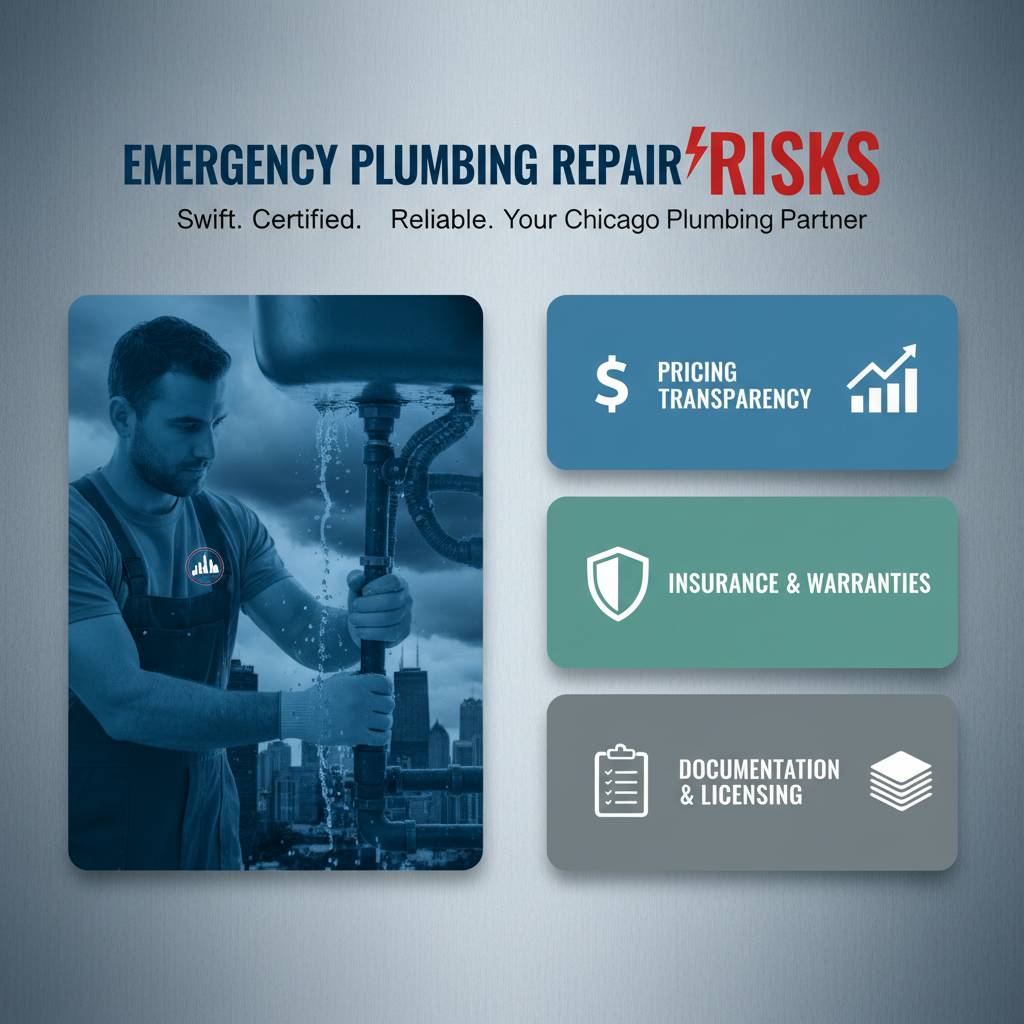 Emergency services often involve distinct line items such as immediate response fees, overtime labor, expedited parts, and temporary stabilization. While pricing can be higher than standard repairs due to urgency and availability, clear estimates and itemized invoices are a sign of professionalism. Ask for an itemized explanation so you understand which charges are for temporary mitigation and which are for permanent repair.
Insurance interactions are smoother when homeowners document the event thoroughly and seek mitigation promptly. Insurers expect evidence of reasonable steps to limit damage; failure to act or attempting unlicensed repairs can jeopardize coverage. Keep photos, dates, vendor contact information, and receipts for any emergency services performed, including temporary fixes and drying or remediation work.
Here is a short documentation checklist to keep at hand for claims and repairs:
- Time-stamped photos and videos of damage and affected areas before and after mitigation.
- Written estimates and invoices from the emergency plumber, including an account of initial containment measures.
- Receipts for rental equipment, drying services, temporary lodging (if necessary), and replacement items.
- Correspondence with the insurer and any required permit documentation for permanent repairs.
Frequently asked questions (FAQ)
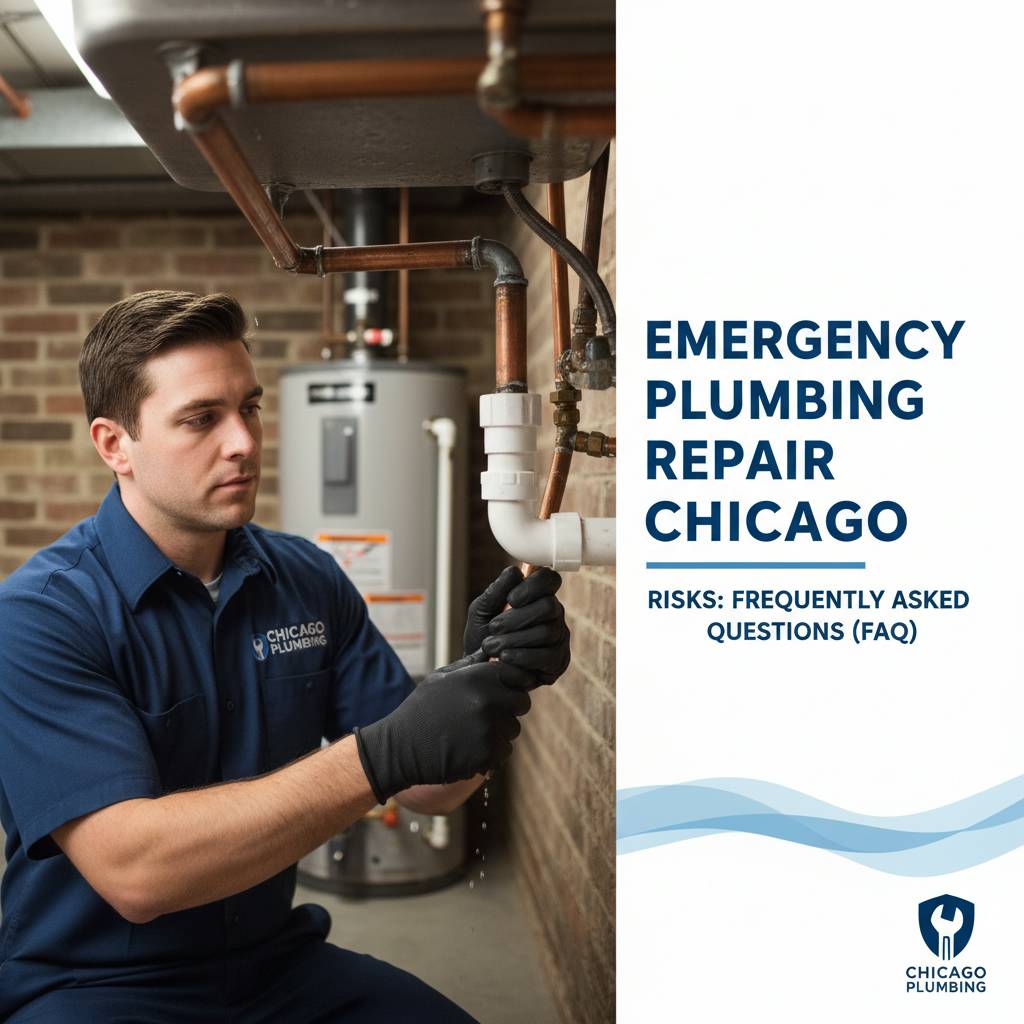
How quickly should I call a plumber after noticing a leak or backup?
Call immediately for any rapidly flowing water, sewage backup, or situations where structural or electrical safety may be compromised. For slower leaks, schedule an inspection within 2448 hours-delaying longer risks hidden damage and mold growth. If you're uncertain, call our line at 312-555-4821 for quick guidance so you can decide the best next step.
Will my homeowners insurance cover emergency plumbing repairs?
Coverage varies by policy. Sudden, accidental water damage from a burst pipe is commonly covered, whereas damage from neglected maintenance or long-term leaks may be excluded. Prompt mitigation and clear documentation improve the chance of coverage. We can provide the necessary documentation and work with restoration partners to support claims.
Can temporary repairs harm my insurance claim?
Properly executed temporary repairs that limit ongoing damage are generally viewed positively by insurers. Problems arise when unlicensed or inadequate repairs create additional damage or when homeowners fail to document actions taken. Always ask for a written report from the emergency technician describing the temporary measures performed.
Case study and closing guidance
One recent Chicago homeowner experienced a basement inundation after a sump pump failure during a spring storm. Quick action-shutting the main, moving valuables, and calling a licensed emergency plumber-limited water intrusion to two rooms. Prompt professional containment and coordinated restoration allowed a smooth insurance claim and avoided long-term mold remediation. Small early steps produced a major difference in outcome.
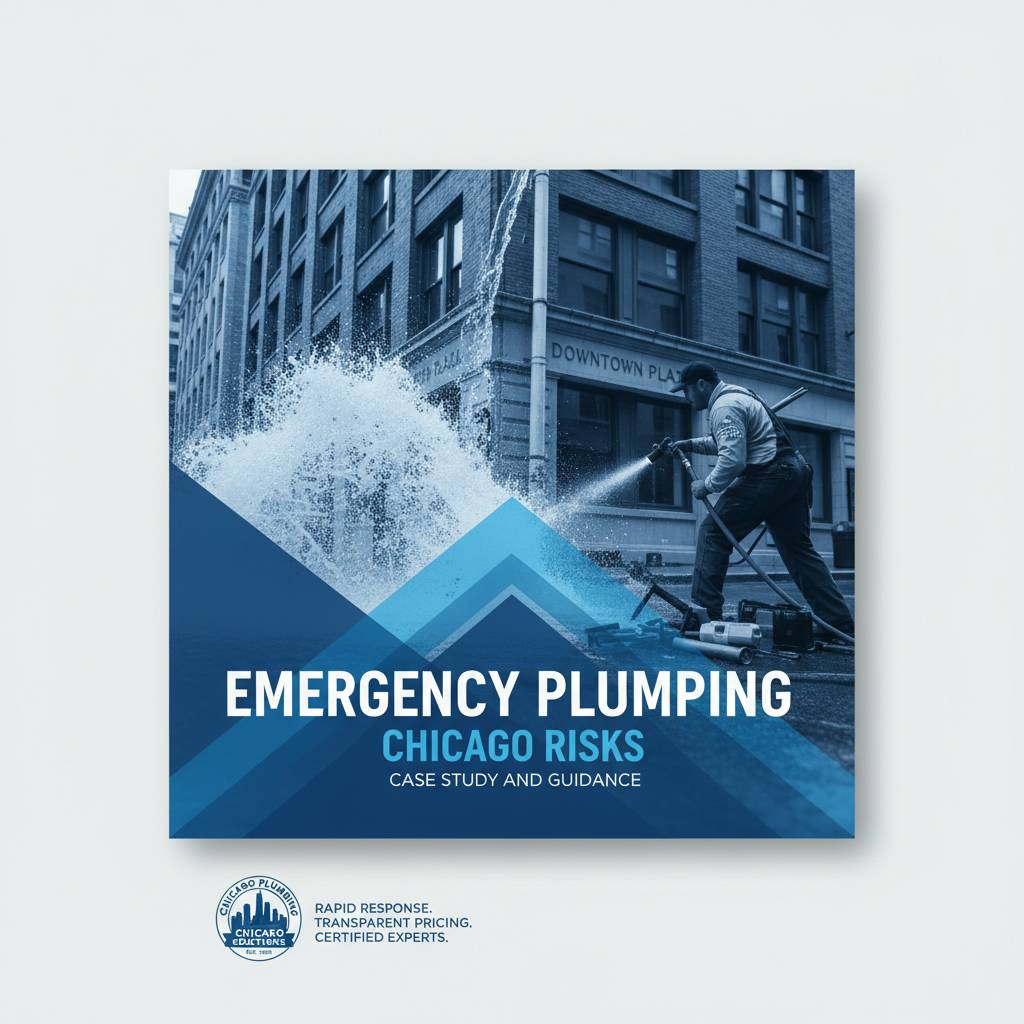
Whether your issue is a single fixture, a suspicious slow leak, or a major flood, the right combination of immediate mitigation and professional care reduces both short-term pain and long-term costs. Chicago Pipe Essentials is prepared to provide fast, clear guidance and to deploy a qualified emergency team when needed. If you have a question or need an assessment now, contact us at 312-555-4821.
Call to action: If you suspect an active leak, sewer backup, or any condition that threatens your home, call Chicago Pipe Essentials immediately at 312-555-4821 for an emergency assessment. Our team responds with safety-first protocols, rapid containment, and clear next steps.
Next steps: Document the scene with photos, shut off water if safe, and keep family members clear of affected areas. When in doubt about gas or electrical safety, evacuate and call emergency services before attempting any mitigation.
We are committed to helping Chicago homeowners understand and reduce the most common emergency plumbing repair Chicago risks. Contact Chicago Pipe Essentials at 312-555-4821 for immediate assistance or to schedule a preventive inspection. We stand ready to protect your home and provide reliable, proven solutions.