Emergency Plumber Qualifications To Verify
Verifying emergency plumber qualifications ensures you hire a competent licensed professional when time is critical. Chicago Pipe Essentials lists credentials and certifications to check before authorizing work. Call 312-555-4821 to confirm our qualifications and discuss technician vetting. We prioritize certified expertise and safety.
When a burst pipe, sewer backup, or gas-related leak demands immediate attention, the last thing you need is uncertainty about the person performing the repair. Verifying an emergency plumber's qualifications protects your property, your safety, and your wallet. At a time when decisions must be quick, having a checklist of trusted credentials helps you authorize work confidently and avoid costly mistakes.
Chicago Pipe Essentials understands how stressful urgent plumbing problems can be. Our goal in this guide is to provide clear, practical steps and explanations of the most important emergency plumber qualifications to verify so you can make informed choices. If you prefer immediate assistance or want to validate one of our technicians, please contact us at 312-555-4821.
Why verifying emergency plumber qualifications matters
Emergency plumbing work often occurs under non-ideal conditions: limited lighting, water damage, structural exposure, and the need for rapid solutions. A licensed and certified professional brings not only the technical skills to resolve the immediate issue but also an understanding of building codes, safety protocols, and insurance implications. This reduces the risk of improper repairs that can lead to further damage or liability problems down the line.
Another critical reason to verify credentials is legal and financial protection. Proper licensing and insurance ensure that the plumber is authorized to work in your jurisdiction and that any worker injuries or accidental property damage are covered without transferring costs to you. Contractors working without these protections can put you in a precarious position if something goes wrong during emergency repairs.
Finally, credentials are an indicator of continuing competency. Emergency situations often require decisive judgment and familiarity with modern systems-pressurized gas lines, sump pumps with battery backup, backflow preventers, and complex municipal sewer interfaces. Professionals who invest in certifications and continuing education are more likely to provide durable, code-compliant solutions rather than temporary fixes.
Key credentials and certifications to check
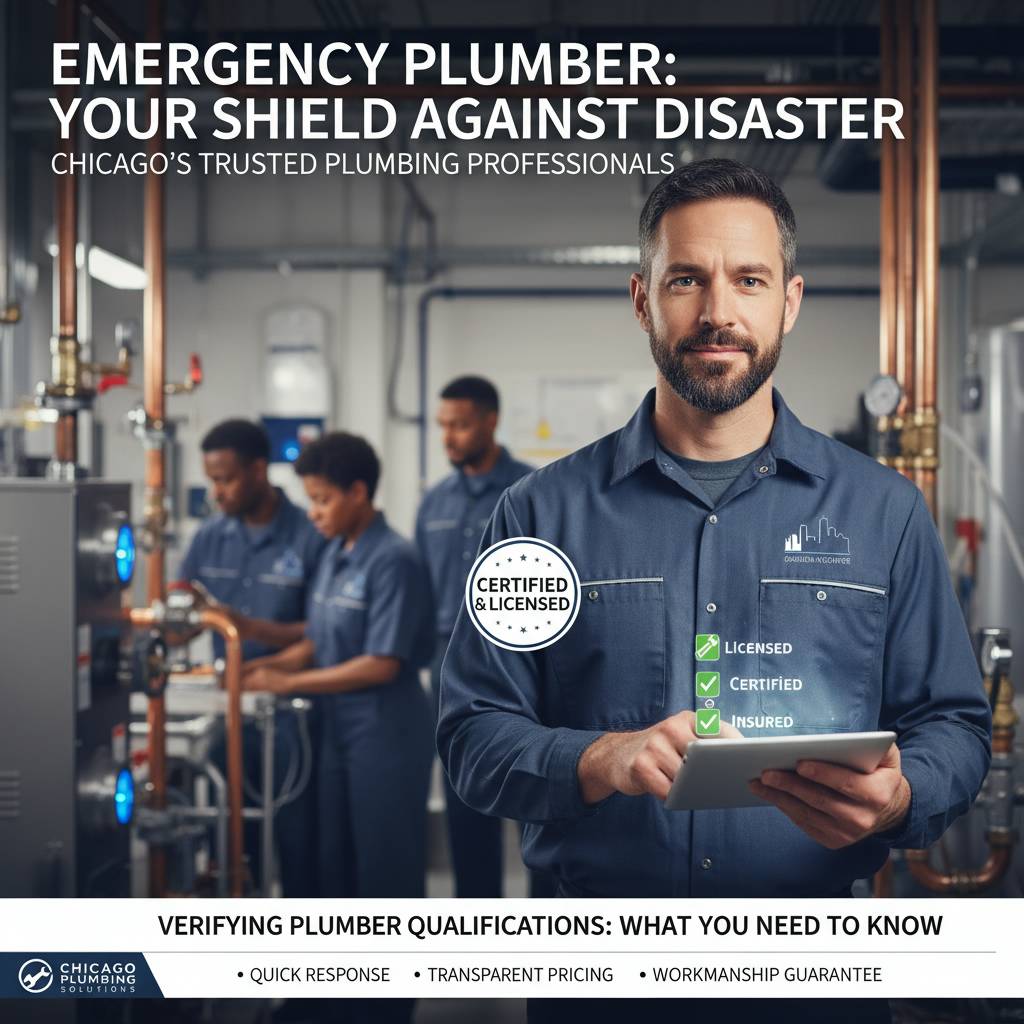 Start by confirming the basics: a current plumbing license from the relevant state or local authority and proof of insurance. These two items form the minimum threshold for legitimate emergency service. A valid license demonstrates that the plumber has met training and testing requirements; insurance coverage protects you from third-party claims and on-site incidents.
Beyond licensing and insurance, there are several specialized qualifications that matter depending on the nature of the emergency. Look for certifications and endorsements for gas line work, backflow prevention, medical gas systems (if applicable), and manufacturer certifications for equipment such as pumps, water heaters, and sump systems. A technician with these qualifications can safely manage higher-risk interventions.
Common credentials to request
- State or local plumbing license and license number
- General liability insurance and workers' compensation policy details
- Gas-fitters' or gas safe certification for any work involving fuel lines
- Backflow prevention certification (often required for commercial systems)
- Manufacturer or factory-certified training for specialized equipment
- Continuing education or trade association memberships (e.g., PHCC)
| Credential | What it confirms |
|---|---|
| Plumbing License | Formal training, testing, and legal authority to perform plumbing work in the jurisdiction |
| General Liability Insurance | Protection against property damage and third-party claims |
| Gas Certification | Authorized to work on gas systems safely and in compliance with regulations |
How to verify emergency plumber qualifications - practical steps
Ask for documentation before work begins. Even when a situation is urgent, a reputable emergency plumber can provide a license number and proof of insurance over the phone and present the original documents on arrival. If a company hesitates to provide these details, treat that as a warning sign and consider alternate providers.
Use available verification channels. Most state licensing boards and insurance companies allow you to confirm license status and coverage online or by phone. Record the license number, the name on the policy, and the policy expiration date. If you're unsure where to look, ask the technician to provide contact information for their licensing board and insurer so you can independently confirm.
Check identity and company affiliation at the door. Confirm that the technician's photo ID matches the name on the invoice and the license. Company vehicles and uniforms should carry consistent branding. If you were given a referral or a dispatcher confirmation, verify those details as well. If possible, keep any documentation and photos of the technician's ID and truck for your records.
- Request license number and insurer contact details before arrival.
- Verify license status via your state or local licensing board.
- Call the insurance provider to confirm active coverage.
- Ask for written estimates and a clear scope of emergency repairs.
- Retain copies of all documents and receipts after the job is completed.
What to expect from a qualified emergency plumber on arrival
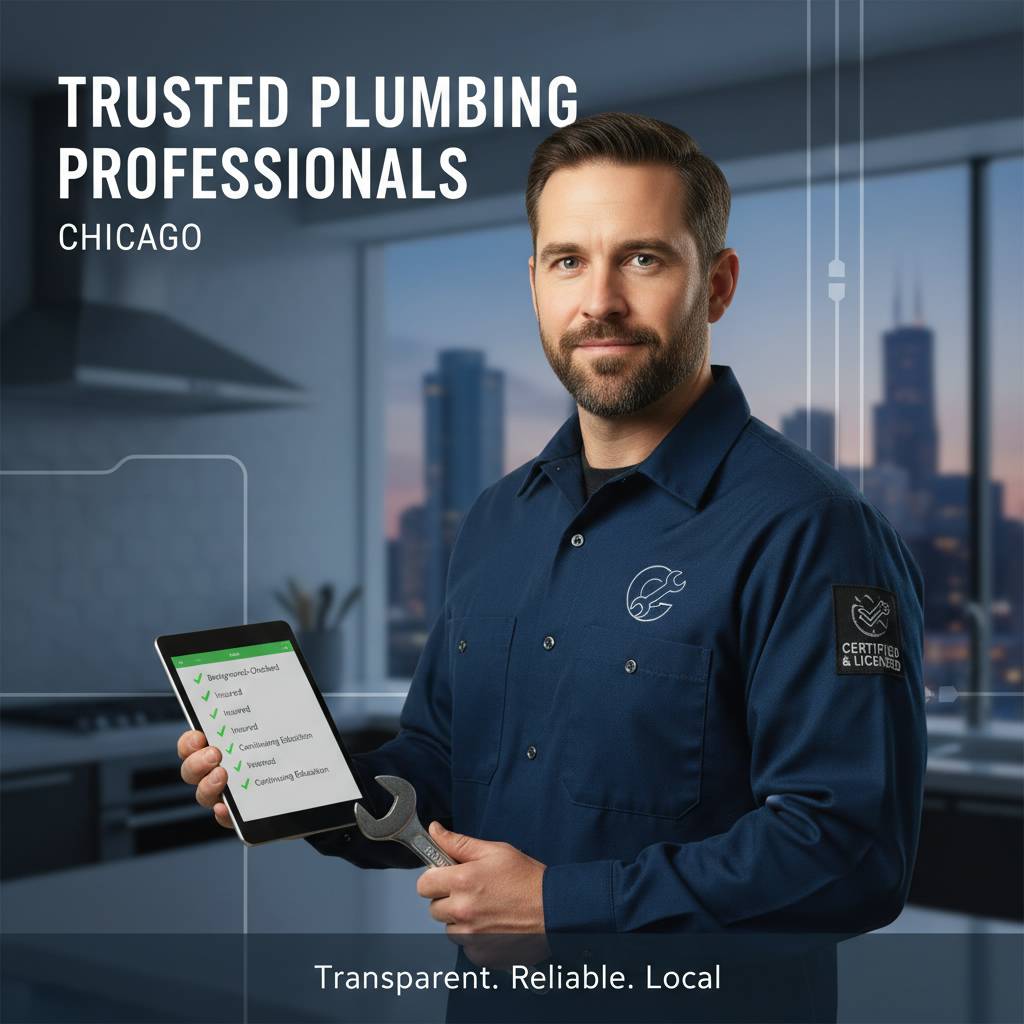 When a licensed, experienced plumber arrives, they should conduct a quick but thorough risk assessment before starting any demolition or invasive repair. This includes checking electrical hazards, identifying the correct shut-off valves, evaluating the extent of water intrusion, and confirming whether additional trades-electricians, HVAC specialists, or structural engineers-are required to complete the work safely.
A competent technician will explain the problem, outline the recommended immediate actions, and present an estimate for emergency repairs versus more permanent solutions. Expect clear communication about what will be fixed now to mitigate damage, what will be temporary, and what follow-up or additional permits might be required for complete restoration.
Proper documentation and safety practices are also markers of quality. The technician should show their license and insurance information, provide a written receipt or work order, and follow standardized safety protocols-wearing PPE, protecting floors and furnishings, and containing contaminants where necessary. These practices minimize secondary damage and support a clean, traceable repair process.
Red flags: when not to authorize work
 Not every urgent-sounding offer is legitimate. Refuse to authorize major repairs from anyone who pressures you to sign immediately without documentation or who refuses to provide a written estimate. Aggressive high-pressure sales tactics, demanding full cash payments upfront with no receipt, or insisting that a previously agreed estimate was only an on-the-spot quote are all signs to stop and reassess.
Other warning signs include unmarked vehicles, technicians who cannot produce an ID or license upon request, and workers who decline to provide insurance details. If the technician refuses to contact your insurer or to accept alternative payment methods such as a credit card that provides transactional records, consider that a significant risk.
Finally, beware of overly quick promises to fully restore extensive damage for unusually low prices. In emergencies, a temporary fix may be reasonable, but a guarantee of complete, long-term repairs at a suspiciously low cost often precedes substandard work or hidden charges later. Insist on a written scope of work and payment schedule.
- Pressure to sign immediately-red flag.
- No written estimate or documentation-red flag.
- Cash-only demand without receipt-red flag.
- Unwillingness to show license or insurance-red flag.
Vetting technicians and ensuring ongoing compliance
Hiring a reputable emergency plumber isn't a one-time transaction. Document retention and follow-up care matter. After the emergency is addressed, secure copies of invoices, permits, warranty documents, and any manufacturer paperwork for replaced components. These records support warranty claims and help if you later submit an insurance claim related to the event.
Consider setting up a relationship with a certified provider for recurring maintenance and rapid response. Technicians who perform routine inspections of your property become familiar with its idiosyncrasies and can respond faster and more accurately during emergencies. A consistent vendor relationship also makes it easier to verify credentials and track compliance over time.
Good companies will maintain transparent hiring and vetting practices for their technicians: background checks, drug testing policies, ongoing training, and documented safety programs. Ask how the company vets new technicians and what guarantees they provide on workmanship. If you were introduced to the technician by name, a brief online check for reviews and complaints can add another layer of assurance.
Case example and a simple checklist to use during an emergency call
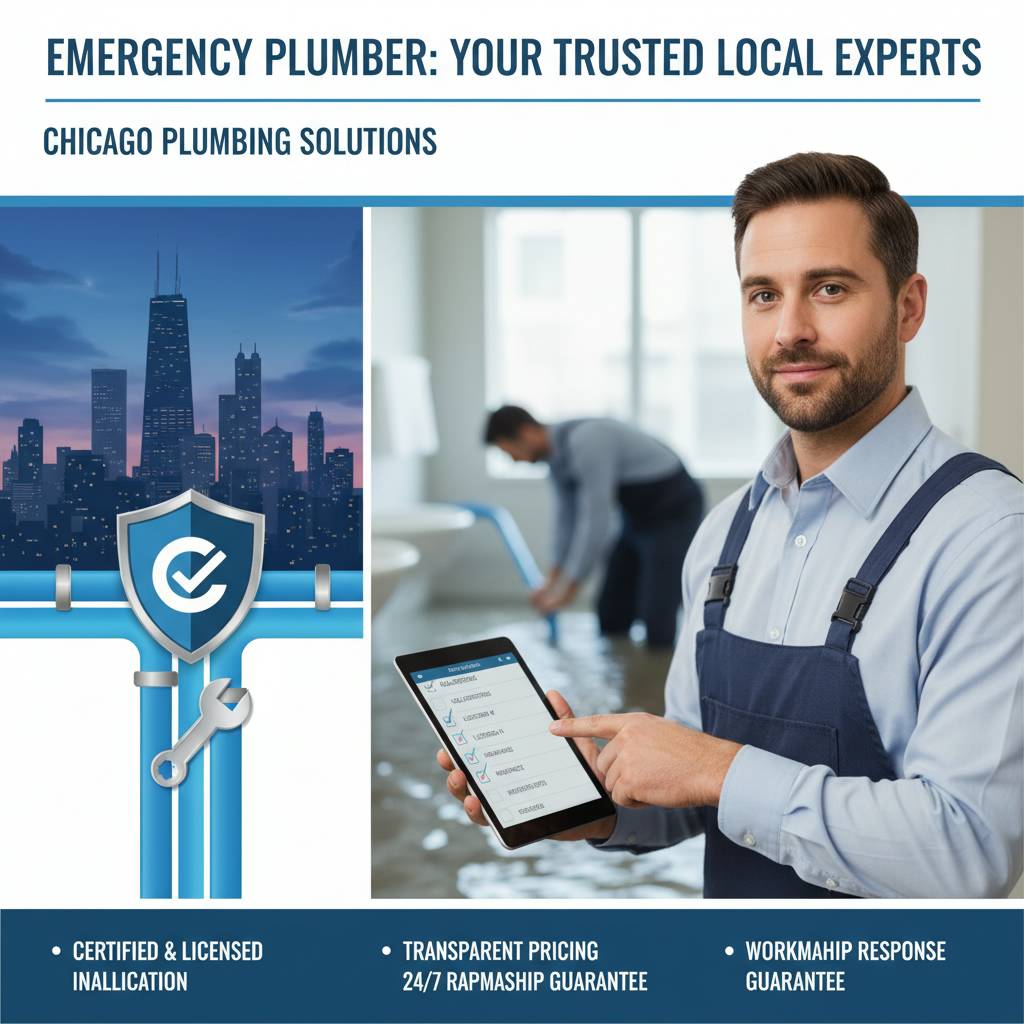 Consider a typical scenario: a homeowner discovers water pouring from a ceiling late at night. The caller contacts an emergency service and the technician arrives within an hour. A licensed plumber secures the water source, assesses structural risk, presents a written emergency repair plan, and documents the issue for insurance. This approach minimizes damage and creates a clear paper trail for recovery and final repairs.
Below is a compact checklist you can keep handy to verify emergency plumber qualifications during a stressful moment. It's designed to be quick to use while still ensuring you don't waive necessary protections in haste.
- Obtain the company name and technician's full name.
- Request license number and verify it with the state board.
- Ask for insurer name and policy number-call to confirm.
- Get a written estimate or emergency work order before non-essential labor begins.
- Ensure a receipt and detailed invoice are provided upon completion.
Closing and how Chicago Pipe Essentials supports your decisions
Making the right call under stress requires facts and a trusted partner. Chicago Pipe Essentials is committed to transparency and safety; our technicians carry current licenses, documented insurance, and any necessary manufacturer or gas-specific certifications for specialized work. If you have questions about the qualifications of a technician dispatched to your property, call us at 312-555-4821 and we will confirm credentials immediately.
When minutes matter, having confidence in the person you authorize to work on your home alleviates additional worry. Keep the checklist above accessible, ask for documentation, and trust providers who respect your request for verification. If you need a prompt but verified response, Chicago Pipe Essentials combines rapid arrival with certified expertise-reach out at 312-555-4821.
Call to action: For immediate verification of technician credentials or to schedule an emergency service from a licensed, insured team, contact Chicago Pipe Essentials now at 312-555-4821. We welcome questions about any aspect of our qualifications and will provide transparent documentation before work begins.
Thank you for prioritizing safety and compliance when authorizing emergency plumbing work. We look forward to assisting you and ensuring repairs are performed by qualified professionals who stand behind their work. Contact Chicago Pipe Essentials at 312-555-4821 for confirmation and rapid support.