Cost Risk Of Waiting To Fix Plumbing Leak
Waiting to fix a plumbing leak can raise repair costs and increase damage to property systems. Chicago Pipe Essentials quantifies common cost risks and recommends proactive steps to lower financial impact. Call 312-555-4821 to get a prompt assessment and repair plan. Our goal is to reduce long term expenses.
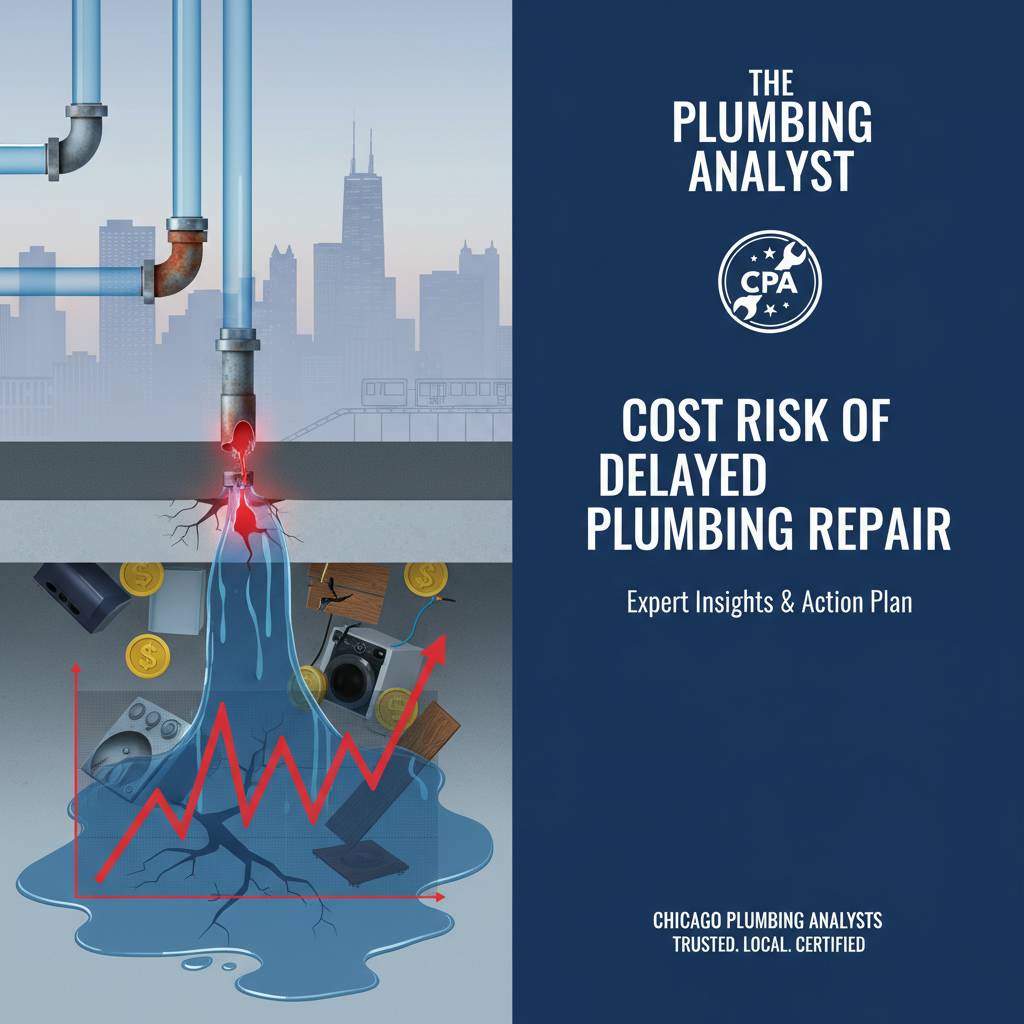
Even a small leak can quietly become a major expense if it is not addressed promptly. The cost risk of waiting to fix plumbing leak is rarely linear: small delays often multiply repair complexity, extend disruption, and increase collateral damage to finishes, appliances, and structural elements. Chicago Pipe Essentials combines field experience and conservative cost modeling to show how time and indecision affect final bills.
How a simple leak becomes a complex, costly problem
Leaks typically begin as a minor issue-an aging joint, a hairline crack, or a loose fitting. Over days or weeks, water exposure accelerates corrosion, undermines seals, and promotes degradation of adjacent materials. Hidden leaks behind walls or under floors can go unnoticed while moisture spreads, soaking insulation, subfloors, and framing. By the time visible staining appears, repair work may have moved from a single pipe to multiple building systems.
Beyond physical deterioration, waiting increases the likelihood of secondary failures: mold growth, electrical shorts where water reaches wiring, and mechanical damage to appliances. Each new problem adds specialized trades, longer labor hours, and permit or remediation fees. These knock-on costs are often the largest contributors to the difference between an inexpensive, rapid fix and a prolonged, high-cost reconstruction.
Common cost categories affected by delay
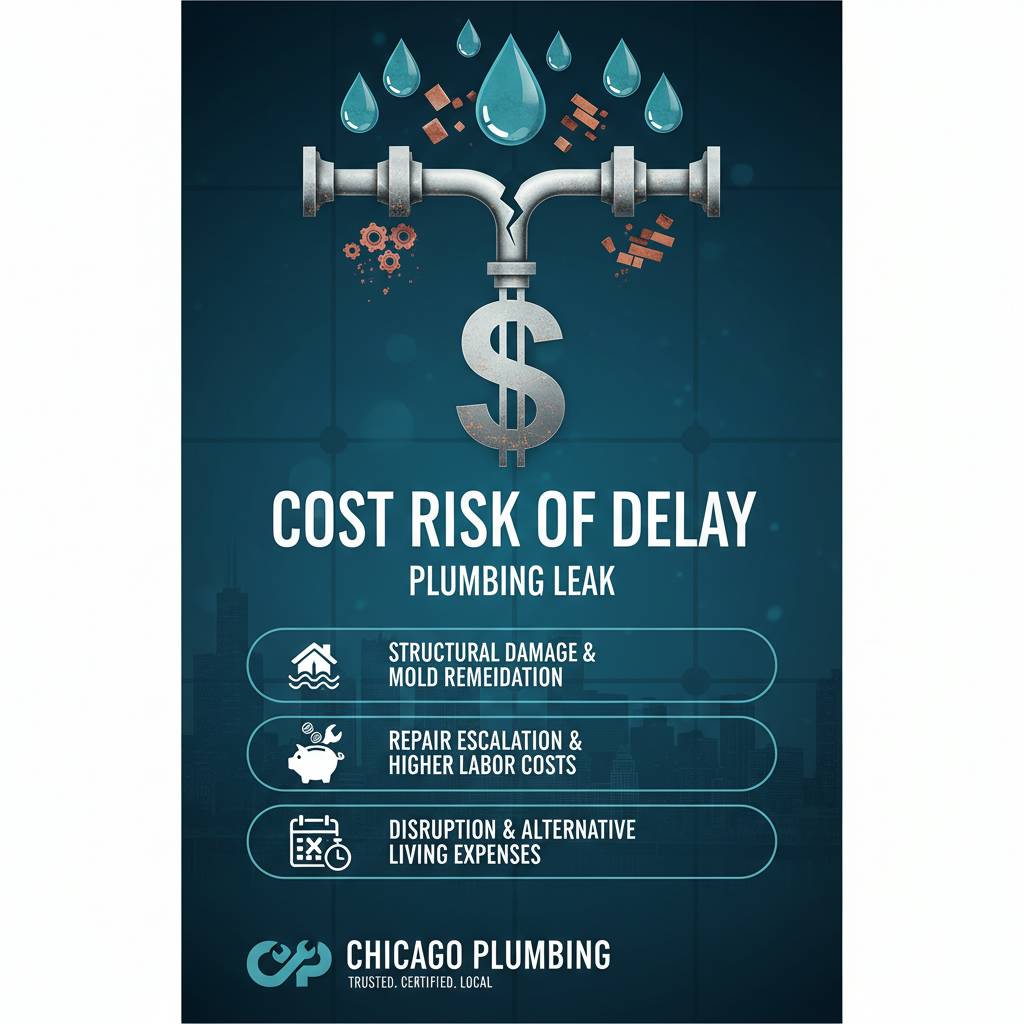 Understanding where costs rise helps homeowners make better decisions. Labor and parts are the obvious line items, but indirect costs frequently dominate: drywall and paint repair, subfloor or hardwood replacement, insulation removal, mold remediation, and appliance replacement. Insurance deductibles and policy limitations can also change the homeowner's out-of-pocket responsibility depending on how long the issue persisted before reporting.
Intangible costs matter too. Extended downtime of a kitchen or bathroom, temporary relocation for severe damage, and the stress of coordinating multiple contractors all have real financial consequences. For property managers and landlords, delayed repairs can mean lost rental income and tenant turnover. When you factor these factors into the total, the cost risk of waiting to fix plumbing leak becomes stark and measurable.
Quantifying the cost risk of waiting to fix plumbing leak
While every situation is unique, patterns emerge from real jobs. A direct pipe repair may cost a few hundred dollars if completed immediately, but the same issue left unattended for weeks can escalate to several thousand dollars when mold remediation, drywall replacement, and subfloor repair are required. Our conservative estimates reflect typical outcomes seen in residential properties across different climates and building types.
Below is an illustrative comparison to make the trade-offs clear. Figures are approximate and intended to demonstrate relative impact rather than serve as precise bids. An on-site assessment from Chicago Pipe Essentials will deliver a tailored estimate and recommended action plan.
| Scenario | Immediate Repair (days) | Delayed Repair (weeks to months) |
|---|---|---|
| Minor supply line leak | $150$450 (fitting or valve replacement) | $800$2,500 (drywall, insulation, mold remediation) |
| Drain trap or fixture leak | $200$600 (trap/fixture reseal) | $1,200$4,000 (flooring, cabinet repair, water damage) |
| Hidden slab leak | $1,500$4,000 (localized repair) | $5,000$20,000 (slab access, foundation repair, major remediation) |
Interpreting the numbers
The table highlights how containment and time to intervention influence overall cost. Immediate action keeps the problem isolated. Delays enlarge the repair scope, require additional trades (carpentry, mold remediation, flooring), and sometimes necessitate temporary repairs that become permanent expenses. That cumulative effect explains why the cost risk of waiting to fix plumbing leak becomes exponentially higher over time.
Where damage typically compounds most quickly
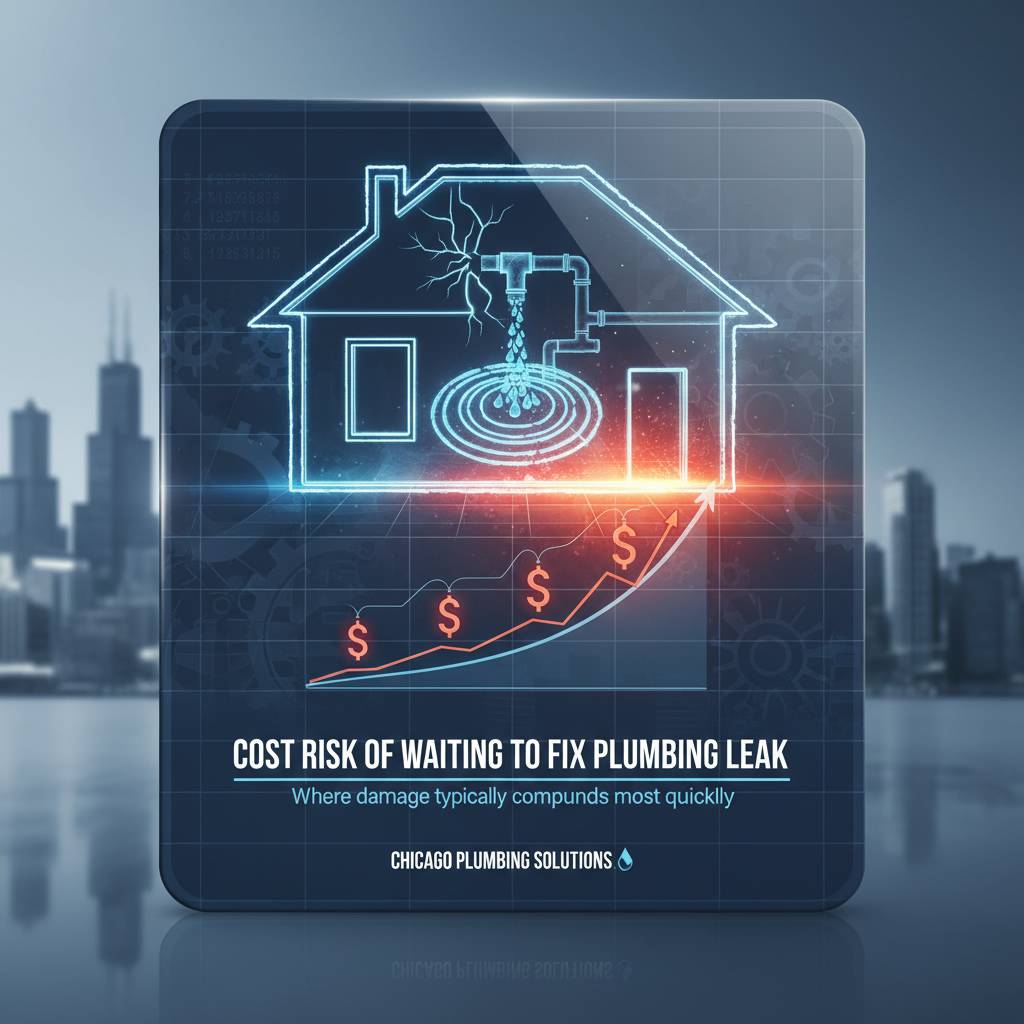 Certain systems and materials are especially vulnerable to water exposure and drive high costs when affected. Porous finishes such as drywall and plaster absorb water and wicking spreads moisture well beyond the initial leak point. Hardwood floors cupping or warping often need full-board replacement rather than spot repairs. Insulation that becomes wet often requires removal and replacement to prevent long-term mold issues.
Mechanical and electrical systems also represent serious risk. Water intrusion into junction boxes, light fixtures, or motors on appliances can create immediate safety hazards as well as expensive replacements. In humid climates, even small leaks promote mold spores that become a health concern and a costly remediation project. Identifying these vulnerability zones early is central to minimizing the total bill.
Examples from real jobs
In one representative case, a slow water supply leak behind a kitchen cabinet went unnoticed for several months. Initial repair cost would have been under $400, but by the time homeowners noticed a musty smell the scope included cabinet replacement, subfloor repair, and professional mold remediation-totaling nearly $8,500. That is a clear illustration of the cost risk of waiting to fix plumbing leak translating into a twentyfold increase.
Another example involved a slab leak under a laundry room. An early detection and spot repair kept the bill under $2,000. The homeowner in a different property delayed action until floor tile buckled and subfloor failed, forcing full slab penetration and replacement of finished flooring-costs exceeded $15,000. Common factors in these examples are delay, hidden location, and inconsistent early signs.
Practical steps to lower financial impact
 Proactive actions reduce both the probability that a leak will spread and the total cost if it does occur. The simplest and most effective measures are regular inspections and prompt response: check visible pipes, monitor water meters for unexplained usage, and attend quickly to any signs of dampness, stains, or unusual odors. These low-effort steps often avoid a long chain of problems.
When a leak is suspected, isolate the source and act: shut off the affected supply or the main water if necessary, then call a professional for diagnosis. Temporary fixes may limit immediate damage, but you should follow with a permanent repair from a licensed technician. Documenting the problem promptly also helps with insurance claims and reduces disputes about when the issue began.
- Inspect exposed piping and under-sink areas monthly.
- Install leak detection devices or smart water shutoff systems in vulnerable properties.
- Address slow drips immediately; don't assume it's just a drip.
- Keep records and photos of early signs to support any insurance claim.
What to expect when you call a professional
 When you contact Chicago Pipe Essentials, an experienced technician will prioritize a rapid assessment to determine leak location, severity, and likely downstream impacts. Diagnosis may involve visual inspection, moisture meters, infrared scans, or leak detection tools that locate hidden leaks without unnecessary demolition. Our approach emphasizes limiting access work to what's necessary to repair and verify containment.
After the assessment, we provide a clear estimate that separates immediate repairs from recommended follow-up work, such as remediation or reconstruction. That clarity helps you decide on next steps and evaluate whether to involve your insurance carrier. We will also outline options to mitigate future risk, such as replacing aging components, installing shut-off valves, or adding monitoring devices.
Typical response timeline
For most residential issues, initial response and diagnosis can be scheduled within 24 to 48 hours. Emergency situations-active flooding, burst pipes, or electrical hazards-require immediate attention and can often be handled the same day. Timely response not only addresses the immediate safety and comfort concerns but also minimizes the total repair budget by reducing the risk of secondary damage.
Frequently asked questions

How soon do I need to act if I notice a small leak?
Act as soon as feasible. Even a small leak left unattended for days or weeks can lead to significant collateral damage. Shutting off the affected supply and contacting a qualified technician for a same-day or next-day assessment will typically prevent escalation and lower overall costs.
Will insurance cover the cost if I delay?
Coverage varies by policy and often hinges on whether the damage resulted from sudden, accidental events versus gradual neglect. Insurance companies may deny claims if they determine a problem developed over time and was not reasonably addressed. Early documentation and prompt action help protect the viability of a claim.
Can smart devices reduce my risk?
Yes. Leak detectors, smart shut-off valves, and water usage monitors can identify problems before significant damage occurs and automatically stop flow to limit exposure. These investments often pay for themselves by avoiding large repair bills, especially in properties that are unoccupied or have complex plumbing systems.
Closing thoughts and next steps
Delaying plumbing repairs increases the probability that a localized problem becomes a multi-trade reconstruction with a substantially higher price tag. The cost risk of waiting to fix plumbing leak is real and quantifiable: early, targeted action preserves both your property and your budget. Chicago Pipe Essentials helps owners understand those trade-offs and provides clear, realistic repair plans designed to minimize long-term expense.
If you suspect a leak or want a preventive inspection, call Chicago Pipe Essentials at 312-555-4821 for a prompt assessment. Our technicians will evaluate risks, present options, and recommend the most cost-effective sequence of repairs and protections to reduce future financial exposure.
For fast, professional service and a practical plan to limit damage and repair costs, reach out today. Let Chicago Pipe Essentials help you protect your home and avoid the expensive consequences of waiting.