Consequences Of Ignoring Plumbing Leaks
Ignoring plumbing leaks can lead to structural damage and costly remediation. Chicago Pipe Essentials outlines the short term and long term consequences to prompt timely action. Call 312-555-4821 to arrange an inspection and repair plan before problems worsen. Our goal is to limit damage and protect your investment.
A seemingly small drip from a pipe or a slow toilet leak might feel like a minor annoyance, but the consequences of ignoring plumbing leaks are concrete and escalating. At Chicago Pipe Essentials, we see the progression from minor water intrusion to major structural failure all too often. Early detection and timely repair not only prevent expensive remediation but protect indoor air quality, preserve finishes, and maintain property value. If you suspect a leak, call 312-555-4821 to arrange a prompt inspection; delaying action increases both scope and cost.
Why small leaks escalate quickly
Water is persistent. A small leak that releases just a few gallons a day becomes hundreds or thousands of gallons within weeks or months, depending on flow and location. That continuous moisture encourages decay in wood framing, softens gypsum board and plywood, and undermines adhesives and sealants. Over time the leak creates hidden wet zones that are difficult to remediate without removing finishes, which is why homeowners often face unexpected, extensive repairs when the problem is finally addressed.
Another reason leaks escalate is concealment: plumbing within walls, under floors, and inside ceilings can remain undetected for long periods. The absence of visible puddles or stains does not mean water hasn't migrated into structural cavities. Once moisture reaches framing or subflooring, the deterioration proceeds out of sight. A timely inspection will reveal early signs-elevated moisture readings, staining, mold growth, or soft materials-allowing repairs to focus only where needed, rather than replacing entire assemblies.
Short-term consequences of ignoring plumbing leaks
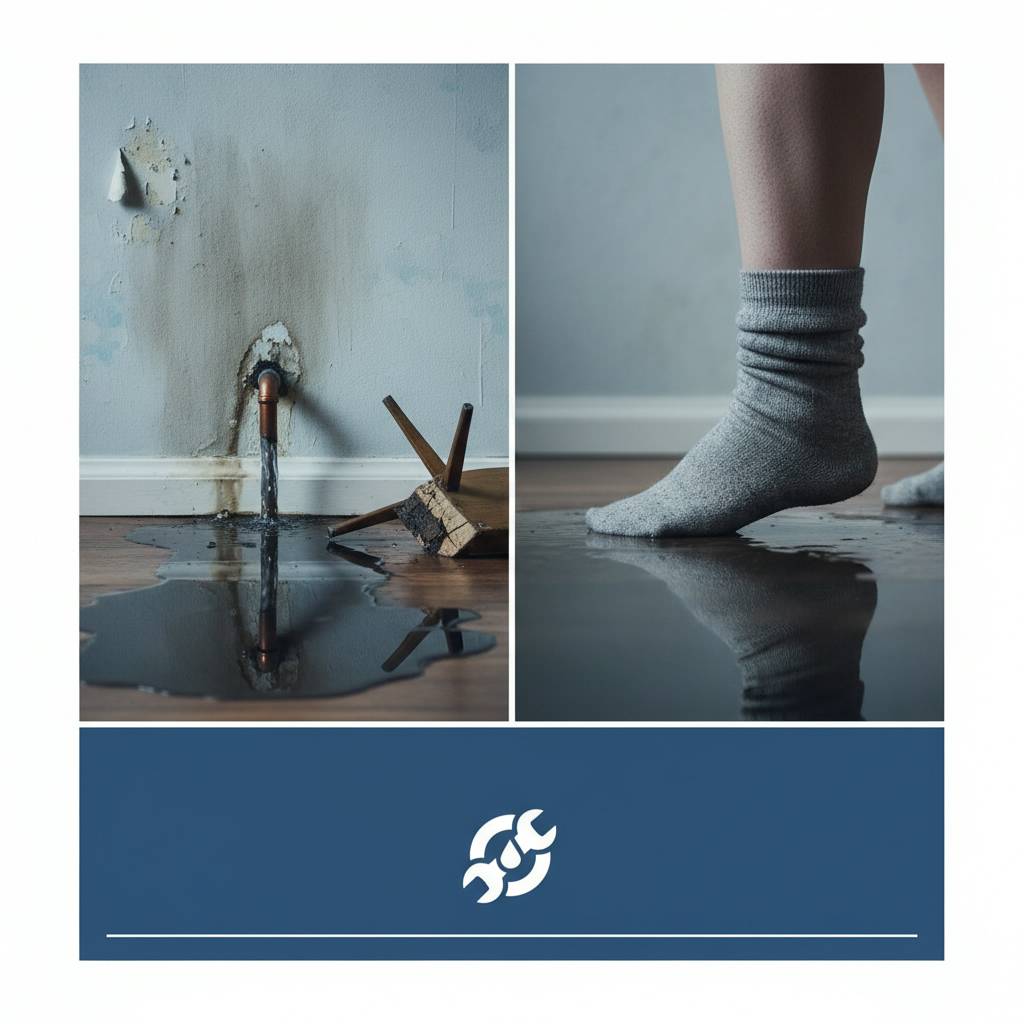 In the short term, the consequences of ignoring plumbing leaks are often immediately noticeable in the form of staining, warping, and odors. Ceiling spots, bubbled paint, buckled flooring, and discolored grout are common first indicators. These damage cues often require cosmetic repairs-painting, replacing trim, or regrouting-but cosmetic fixes alone rarely address the underlying source. Without repair, the visible issues will return and typically worsen.
Beyond aesthetic deterioration, short-term leaks increase the risk of mold and mildew in living spaces. Mold can start to colonize damp surfaces within 2448 hours and will spread quickly in warm, humid conditions. Mold growth affects indoor air quality and can cause allergic reactions and respiratory irritation for occupants. Addressing the source of moisture and performing targeted remediation early reduces health risk and limits the area needing treatment.
Long-term structural damage and hidden risks
When leaks persist long enough to affect structural elements, repair complexity and cost rise sharply. Water-saturated wood framing can suffer rot, losing load-bearing capacity and leading to sagging floors or compromised roof structures. Plywood subfloors and laminate flooring delaminate and lose stiffness. Drywall exposed to chronic moisture crumbles and must be removed and replaced. These structural repairs are invasive and expensive compared to the straightforward replacement of a fitting or valve.
Hidden corrosion is another long-term consequence. Metal components-nails, screws, metal plates, and even pipe supports-corrode when exposed to moisture, weakening joints and fasteners. Corroded connections in plumbing and structural assemblies increase the likelihood of sudden failures, which may occur unpredictably and cause secondary damage. Professional assessment reveals the extent of corrosion so technicians can recommend appropriate repair or replacement strategies.
Foundation and exterior impacts
Leaks that reach exterior walls or foundations can have far-reaching consequences. Water infiltrating around footings or under slabs can lead to soil movement, settlement, and cracks in masonry or concrete. In some cases, moisture encourages freeze-thaw cycles in colder climates, accelerating spalling and deterioration. Repairing foundation damage is time-consuming and costly; preventing moisture contact in the first place is far more economical and preserves structural integrity.
Systems interactions - electrical and mechanical risk
Water in the wrong place threatens electrical and HVAC systems. Moisture intrusion around wiring, outlets, and appliances can cause short circuits, tripped breakers, and even fire hazards. HVAC components exposed to persistent dampness corrode or harbor biological growth that reduces efficiency and requires replacement. Ignoring leaks therefore risks more than surfaces; it jeopardizes systems essential to safety and comfort.
Health hazards associated with prolonged leaks
Long-term moisture creates environments that support not only mold but also dust mites, bacteria, and other allergens. For individuals with asthma, allergies, or weakened immune systems, the effects can be severe. Chronic exposure to mold spores may lead to repeated respiratory issues, skin irritation, and an increased risk of infections for vulnerable people. Repairing plumbing leaks and properly drying affected areas are important public health measures as well as property preservation steps.
Beyond immediate respiratory concerns, microbial growth inside structural cavities can go undetected for long periods, slowly releasing spores and volatile organic compounds (VOCs) into indoor air. Professional remediation often includes containment, removal of contaminated materials, and cleaning with appropriate antimicrobial controls to restore safe living conditions. Early intervention reduces the need for invasive remediation and the associated health risks.
Financial consequences: repair costs, depreciation, and insurance impacts
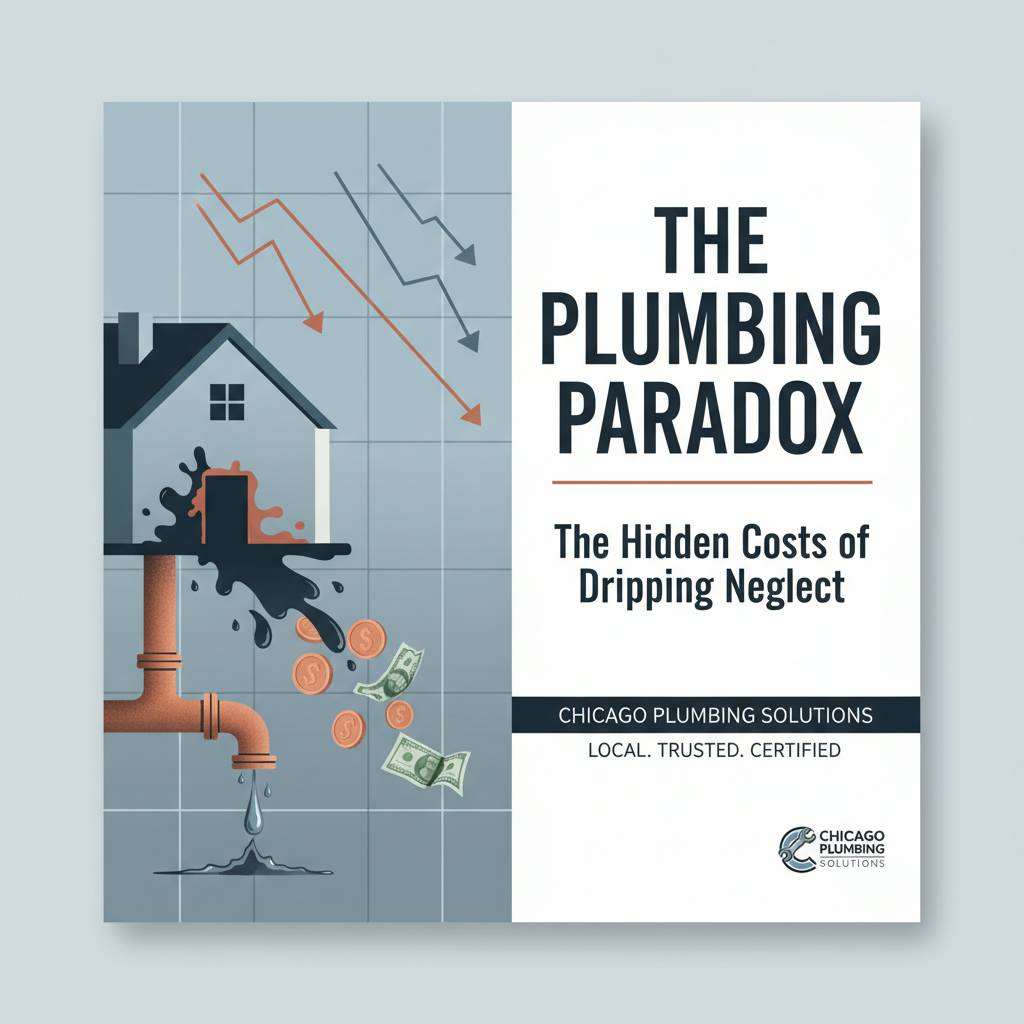 There is a clear cost curve associated with delaying repairs: a small plumbing fix can cost a few hundred dollars, but waiting can escalate bills into the thousands or tens of thousands when structural replacement, mold remediation, and system repairs are required. Additionally, undetected damage can reduce property value. A buyer who uncovers long-standing water damage during an inspection will request significant concessions or even withdraw an offer, making the financial impact indirect but real.
Insurance policies vary in their coverage for water damage. Many policies cover sudden and accidental events (like burst pipes), but exclude damage due to neglected maintenance or gradual leaks. That means prolonged leaks may be excluded from claims if an insurer determines the loss resulted from failure to repair a known issue. Homeowners who delay repairs risk bearing full remediation costs and potentially higher premiums after a claim. Documenting timely inspections and repairs helps when dealing with insurers.
Cost comparison: early repair vs. delayed remediation
| Type of Problem | Early Repair Estimate | Delayed Remediation Estimate |
|---|---|---|
| Leaky valve or joint | $100$500 | $1,000$5,000 (if hidden behind walls) |
| Small mold remediation | $500$2,000 | $5,000$20,000 (extensive contamination) |
| Subfloor or framing replacement | Not applicable | $3,000$30,000 |
Practical steps to limit damage and protect your investment
Taking decisive action when you discover or suspect a leak limits both physical and financial damage. Begin with a visual inspection and simple containment: turn off water to the affected area, place buckets under visible drips, and move furniture or vulnerable items away from wet spots. Contact a licensed plumber to identify the source and scope of the leak. Technicians at Chicago Pipe Essentials will recommend options that prioritize safety, minimize disruption, and address both cause and consequence.
Once the leak is stopped, thorough drying and targeted remediation are essential. Depending on the location, this may include removing wet drywall, drying framing with industrial dehumidifiers and air movers, and treating cavities to inhibit microbial growth. For homeowners who want to limit the chance of recurrence, consider scheduled plumbing checkups, replacing aging piping, and upgrading fixtures to more reliable standards. Preventive maintenance reduces long-term costs and prolongs the life of building systems.
Inspection checklist for homeowners
- Check water bills for unexplained increases-this can indicate hidden leaks.
- Inspect under sinks, around toilets, and behind appliances monthly for dampness or staining.
- Look for discoloration, swelling, or soft spots on ceilings and floors.
- Monitor indoor humidity levels; sustained readings over 60% suggest moisture problems.
- Schedule professional inspections if you notice any of the above signs or after major weather events.
How Chicago Pipe Essentials approaches inspections, repairs, and remediation
Chicago Pipe Essentials combines diagnostic tools and practical experience to detect leaks early and recommend cost-effective solutions. Our technicians use moisture meters, infrared imaging, and targeted excavation when necessary to locate hidden leaks without unnecessary demolition. After locating the source, we present clear options-repair in place, partial replacement, or a more extensive rebuild-so you can weigh budget, timeline, and long-term durability.
During remediation, our process emphasizes containment, drying, and restoration. Containment prevents cross-contamination when mold is present; drying with professional-grade equipment prevents secondary damage; and restoration brings your space back to its original condition with durable materials and improved details where appropriate. We document the work and provide a report that can be shared with insurers or future buyers to demonstrate completed maintenance.
Case example - timely action vs. delayed repair
A homeowner called Chicago Pipe Essentials after noticing a small ceiling stain under a second-floor bathroom. We discovered a slow leak in a supply line behind the wall. Because the owner acted quickly, repairs required opening a small section of drywall, replacing the defective fitting, drying the cavity, and finishing the patch-total cost under $1,200. In contrast, a similar home that ignored the same initial sign later required replacement of multiple joists, a full bathroom gut, and mold remediation, costing over $18,000 and months of disruption. These outcomes show how early action keeps scope and expense down.
Frequently asked questions about leak consequences and repair

What if the leak seems minor and only happens occasionally?
Intermittent leaks still cause cumulative damage. Even if water flow is low or sporadic, moisture cycles can degrade materials and support microbial growth. Schedule an inspection-sometimes an intermittent symptom hides a systemic issue like a compromised seal or pressure fluctuation that will worsen over time.
Will my homeowner's insurance cover the damage?
Coverage depends on your policy and the cause of the leak. Sudden events like a burst pipe are usually covered, while damage from long-term neglect frequently is excluded. Keep records of maintenance and repair to support any claim and contact your insurer promptly after discovering damage.
Can I dry the area myself?
For small, contained wet spots, homeowners can accelerate drying by increasing ventilation, using portable fans, and removing wet materials like rugs. However, hidden moisture in cavities or behind finishes requires professional drying equipment and moisture monitoring to prevent long-term damage. A pro inspection provides certainty that the area is truly dry.
Next steps and calls to action
If you're unsure about a stain, a damp smell, an unexplained rise in water bills, or any sign of leakage, don't wait. Early assessment limits repair scope and protects health. Call Chicago Pipe Essentials at 312-555-4821 to schedule an inspection; our team will prioritize safety, minimize disruption, and deliver clear options so you can make an informed decision.
For existing damage that may involve mold, structural members, or electrical exposure, act immediately. Delaying increases the likelihood of costly remediation and secondary system failure. Let Chicago Pipe Essentials evaluate the situation, present transparent estimates, and start work quickly to protect your investment.
At Chicago Pipe Essentials, our goal is to limit damage and protect your investment. Whether it's a small valve replacement or a coordinated remediation and restoration project, we bring the tools and experience needed to resolve the consequences of ignoring plumbing leaks before they become irreversible. Contact us today at 312-555-4821 to arrange an inspection and repair plan.